
API 607 vs API 6FA: Which Fire Test Applies to Your Valve
API 607 vs API 6FA by valve type, edition and certificate scope, with burn conditions, qualification rules and the TSV ECM fire certificates on file.
Engineering reference articles, sizing calculation formulas, cavitation trim design, and metallurgical selection guides for global EPC contractors and instrument engineers.
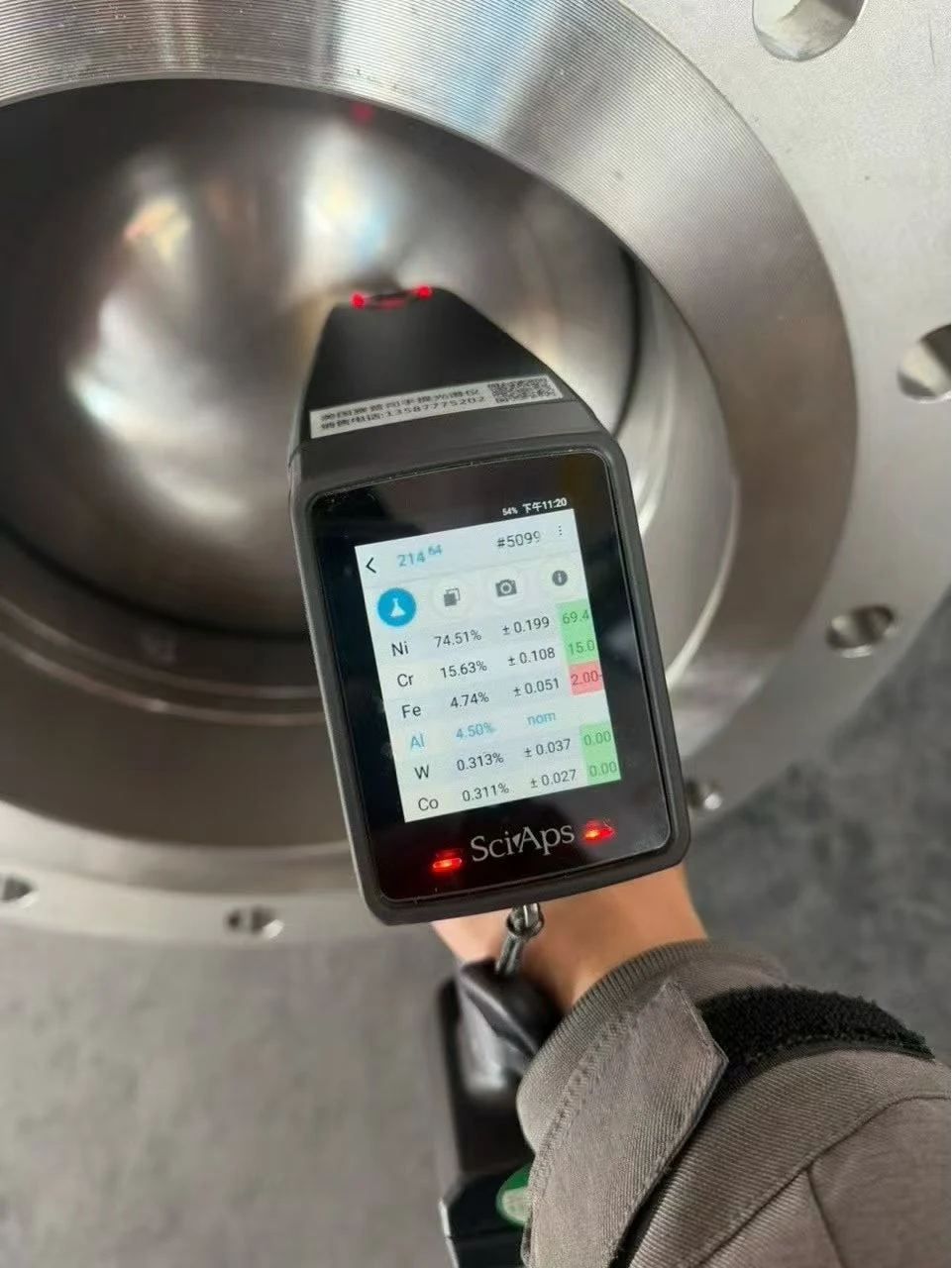
FEATURED EPC SOURCING & PROCUREMENT GUIDE
Over 35% of global pressure valves originate from China, but distinguishing between direct Tier-1 manufacturers and commercial trading brokers is critical for project survival. This shop-floor audit guide covers business license verification (manufacturing vs trading), in-house casting control, handheld XRF PMI spectroscopy, API 598 pressure testing holding times, and export crating preservation.
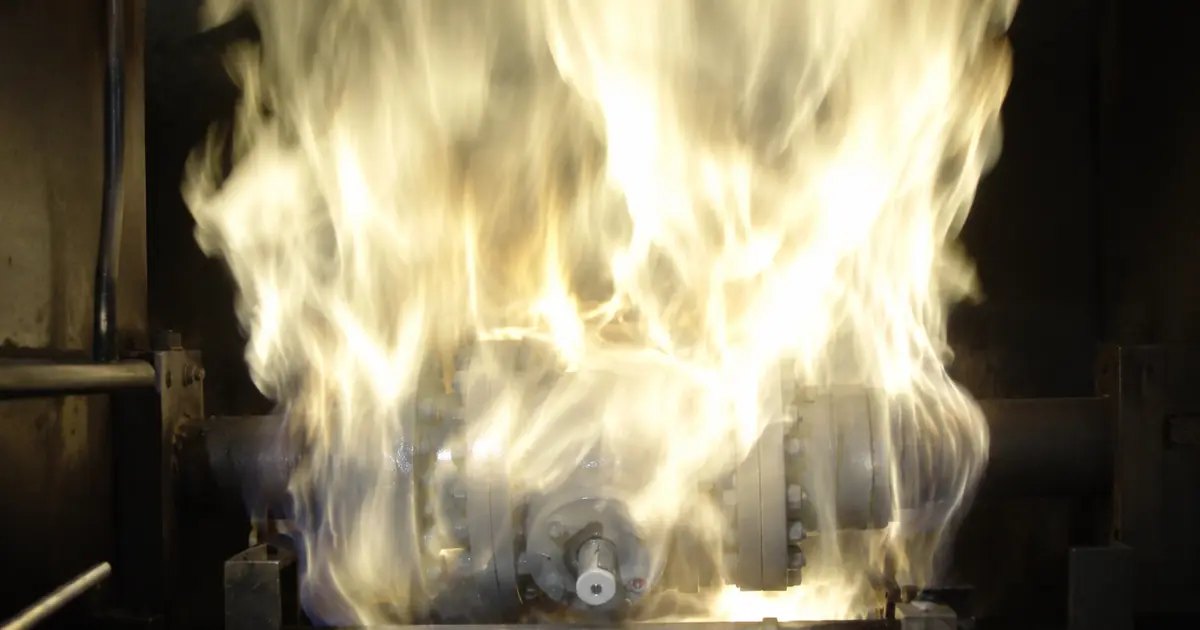
API 607 vs API 6FA by valve type, edition and certificate scope, with burn conditions, qualification rules and the TSV ECM fire certificates on file.
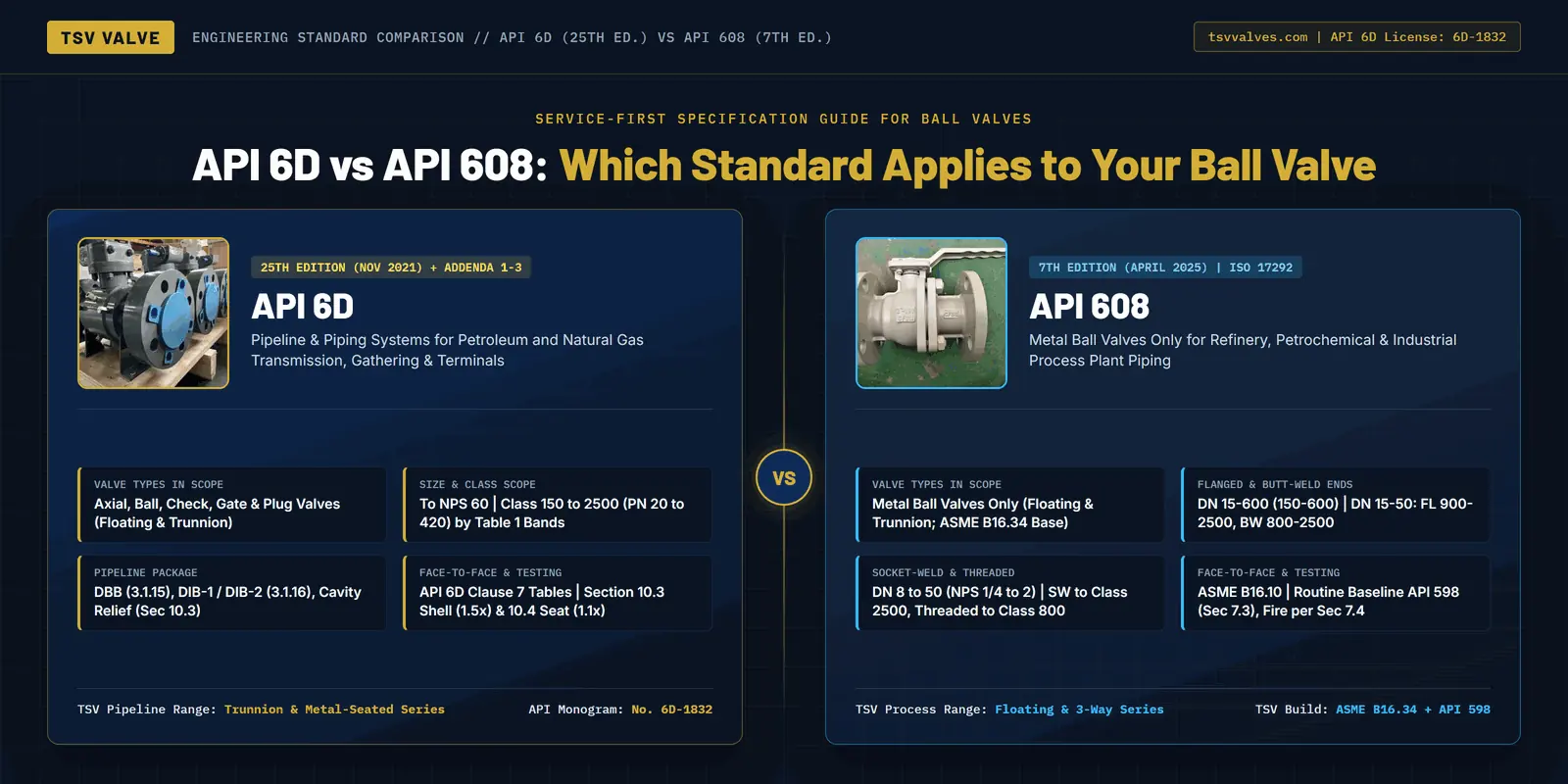
API 6D vs API 608, explained by service and scope: compare sizes, classes, testing and the facility boundary rule, with TSV pipeline and process models.
Master the STAMPED framework for valve data sheets. Eliminate 6-week bidding delays and costly change orders caused by ambiguous trim codes, flange facings, unverified NACE sour limits, and undersized actuator breakaway margins.
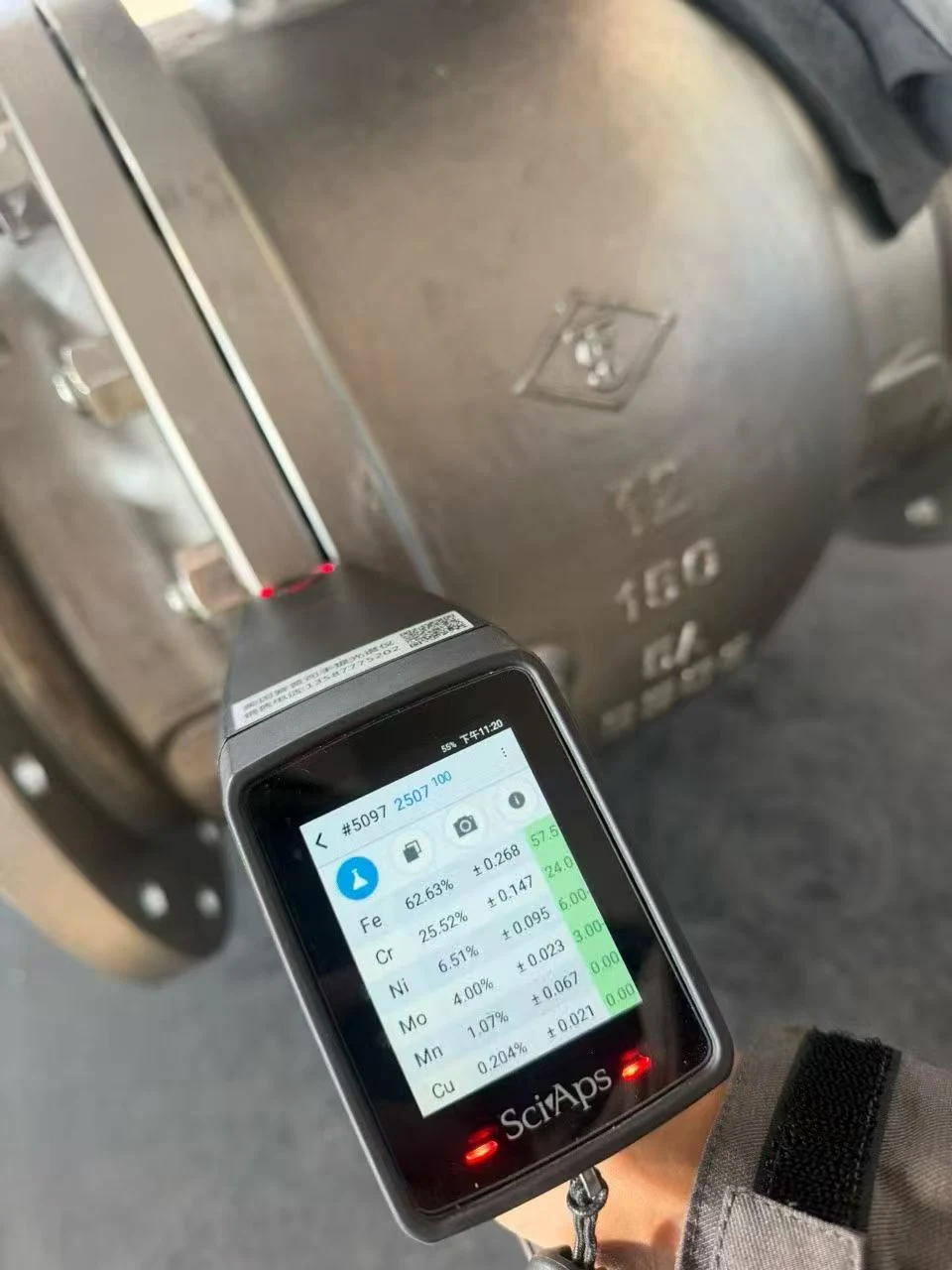
Forensic guide to material test reports. Compare 2.1, 2.2, 3.1, and 3.2 certificates, uncover the top 7 tactics used by rogue traders to forge MTRs, trace cast heat numbers, and witness third-party TÜV/DNV inspections.

Engineering and commercial comparison: Grain flow microstructure vs casting shrinkage voids, pressure class inflection thresholds, 12-16 week foundry lead times vs 4-6 week forged bar stock expediting, and NDT inspection costs.
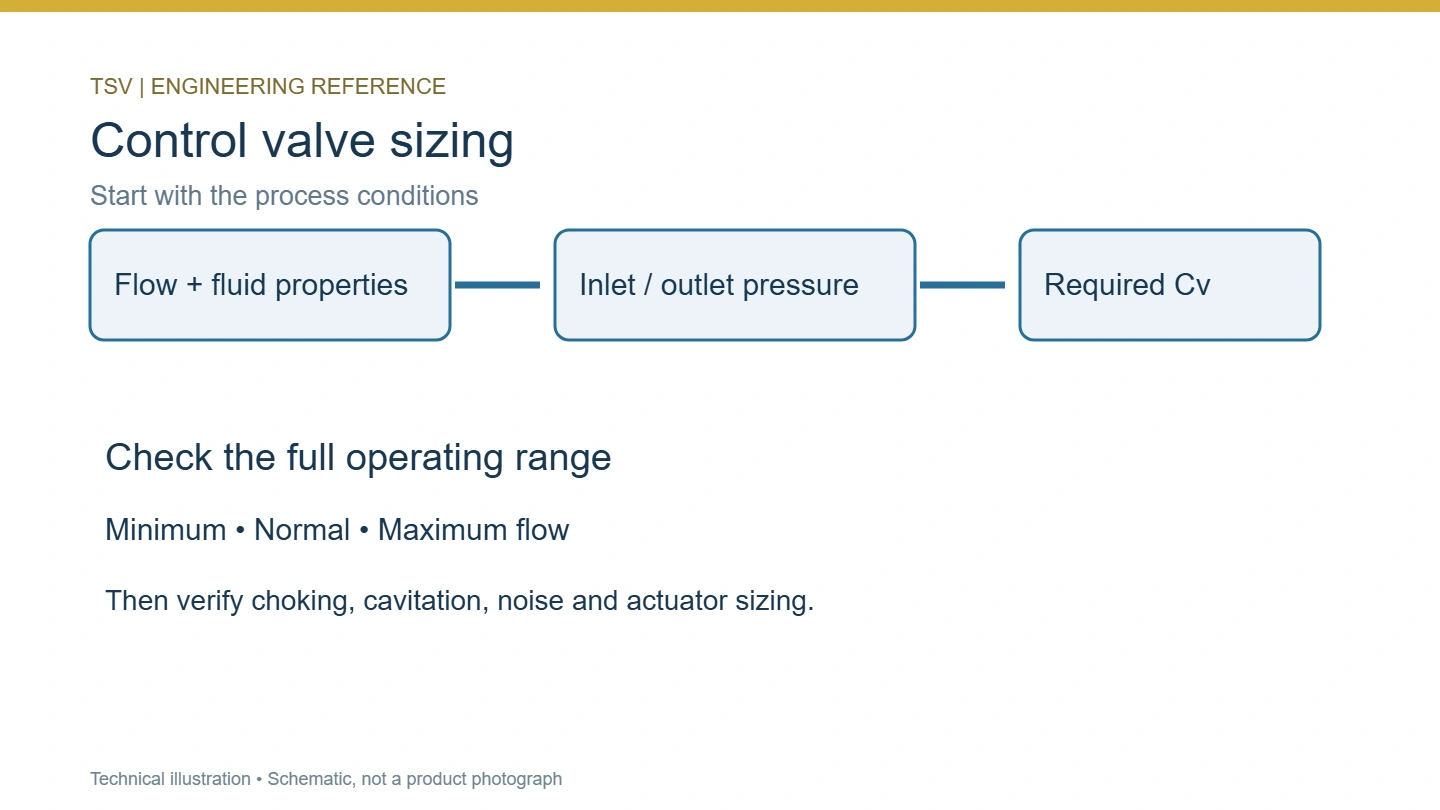
Comprehensive mathematical treatise on control valve sizing per IEC 60534-2-1 and ISA-75.01.01. Calculate liquid Cv, gas choked pressure drop ratios, Reynolds factor Fr, and piping geometry Fp.
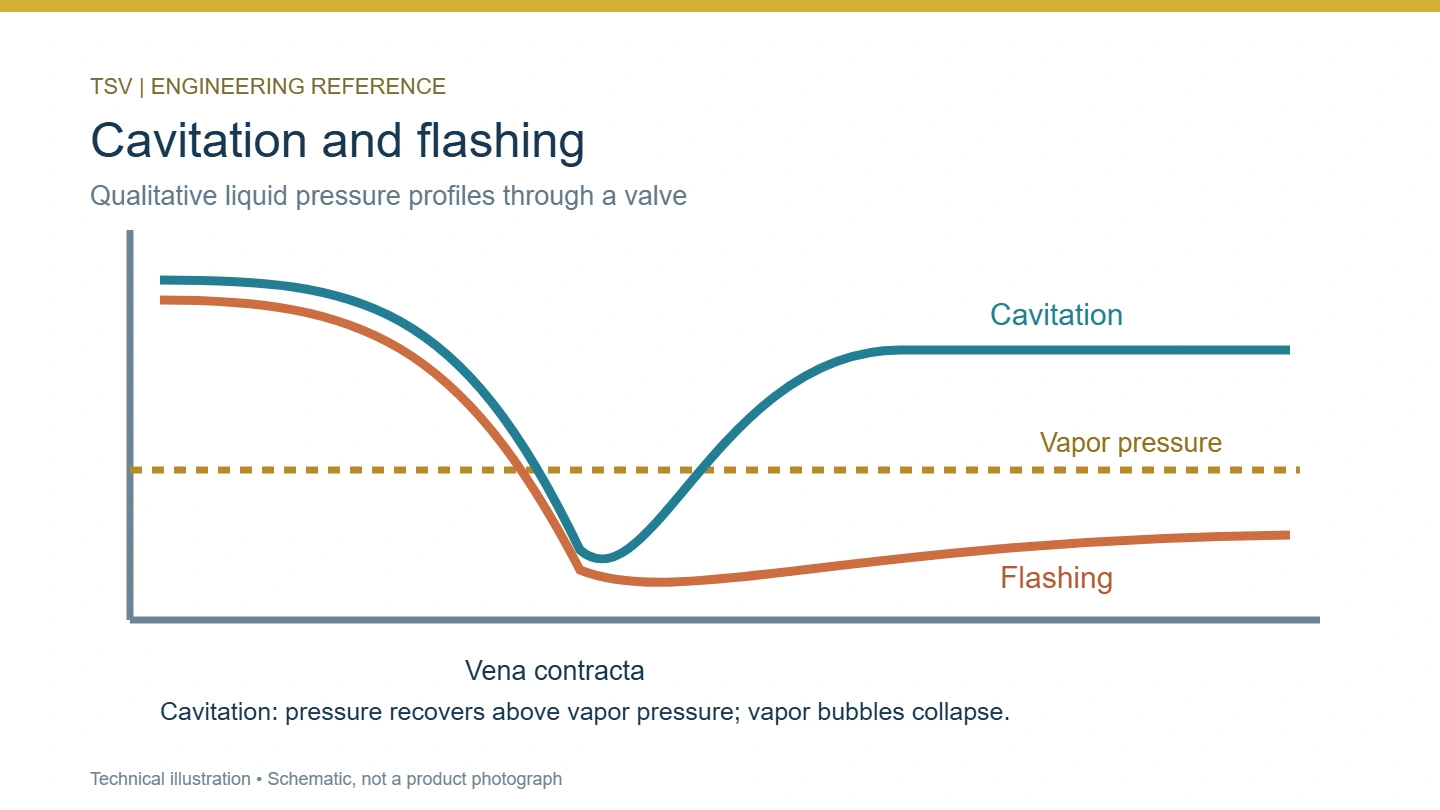
Explore the fluid mechanics of vena contracta pressure recovery, incipient cavitation index calculation, and how tortuous multi-path labyrinth trim disks prevent micro-jet pitting.

Practical field SOP for diagnosing packing friction stick-slip, positioner PID loop gain mismatches, diaphragm spring pre-compression, and stem hysteresis on live loops.
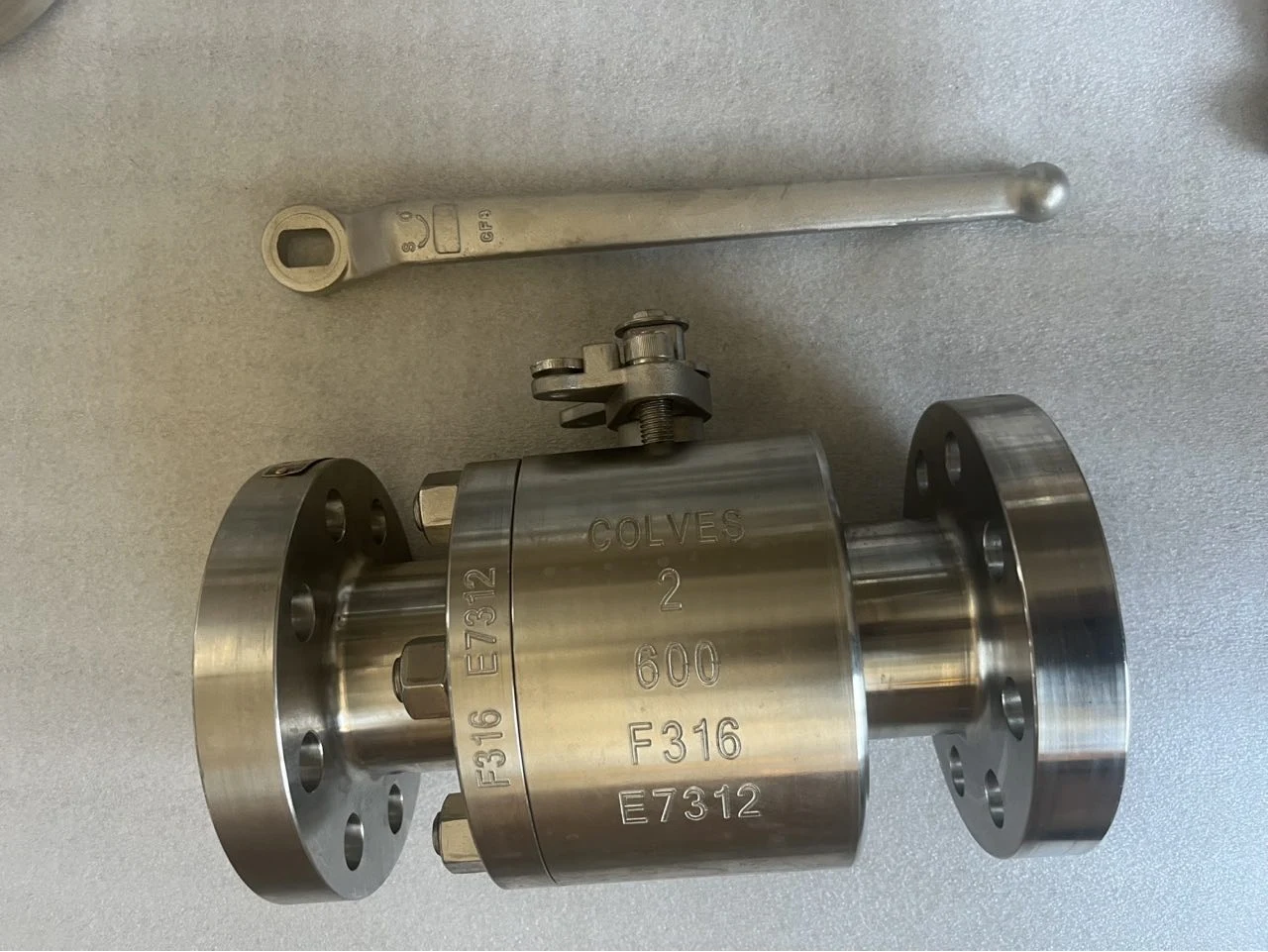
A technical comparison between European vacuum hood methods and North American EPA Method 21 sniffing tests. How to specify valves with zero fugitive leakage.
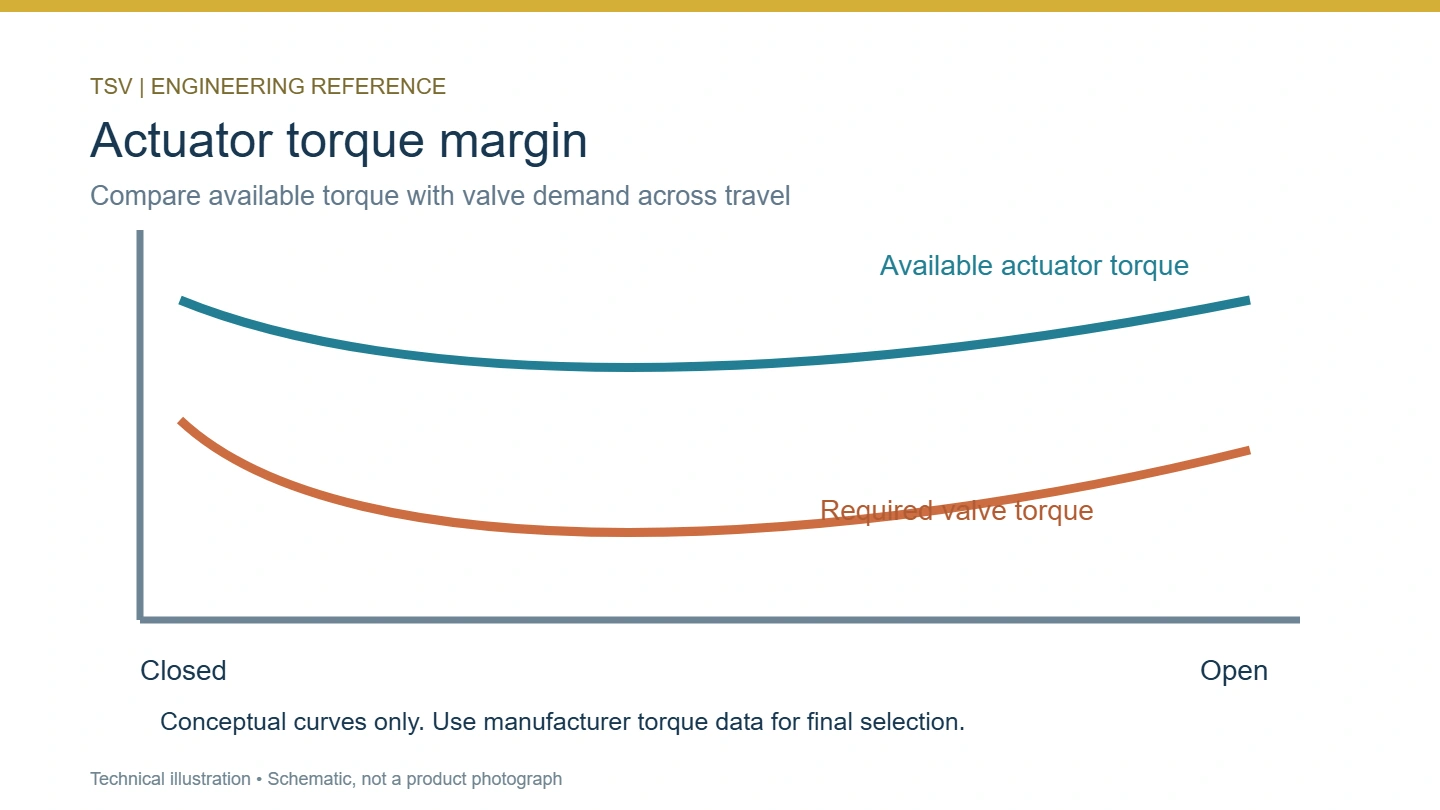
Breakout torque (BTO), running torque (RUN), and end-to-close torque (ETC) calculations. How to check Maximum Allowable Stem Torque (MAST) to eliminate passing and stem yield.
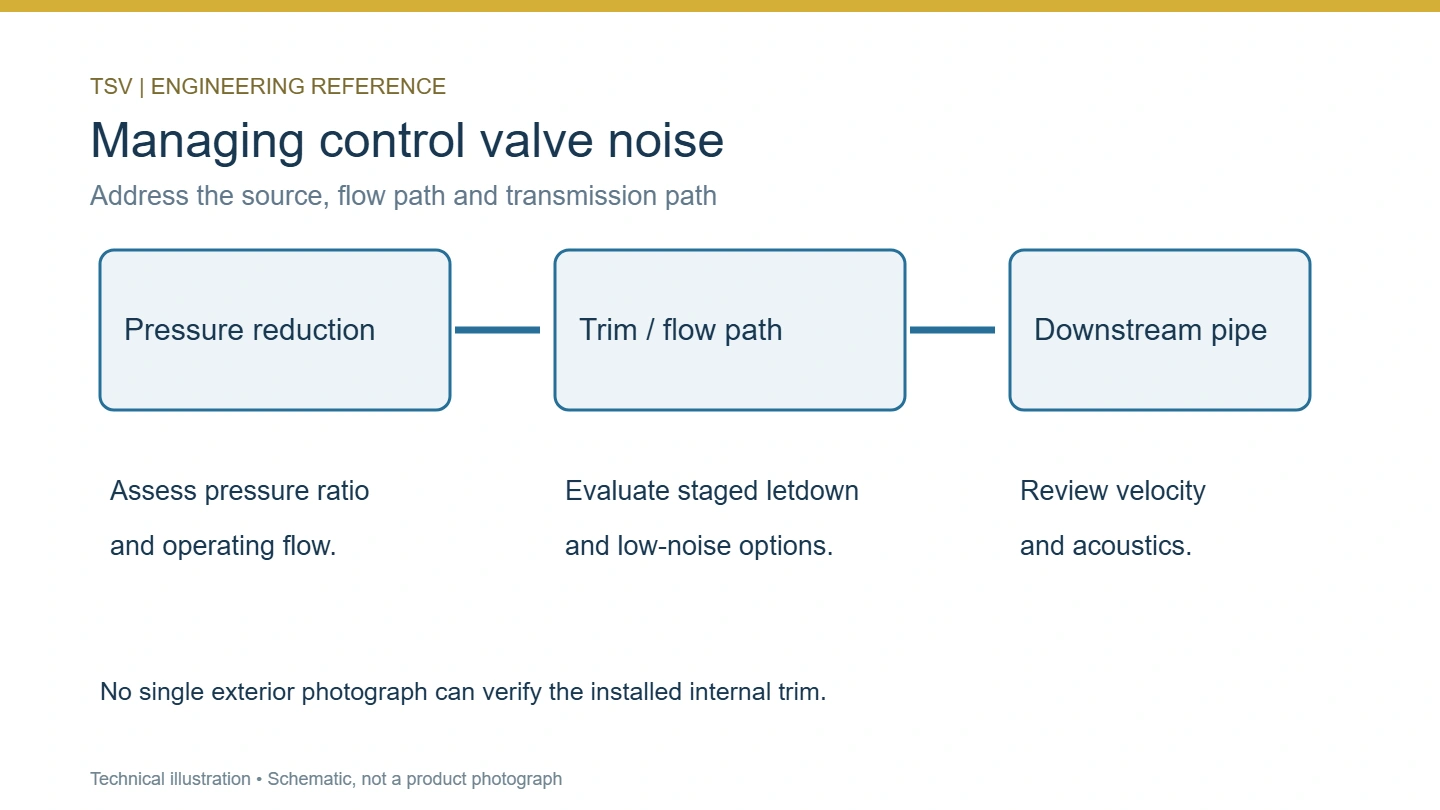
Understanding sonic and supersonic gas expansion at valve outlet ports. Multi-stage drilled hole cages and acoustic insulation design to ensure compliance with 85 dBA workplace limits.
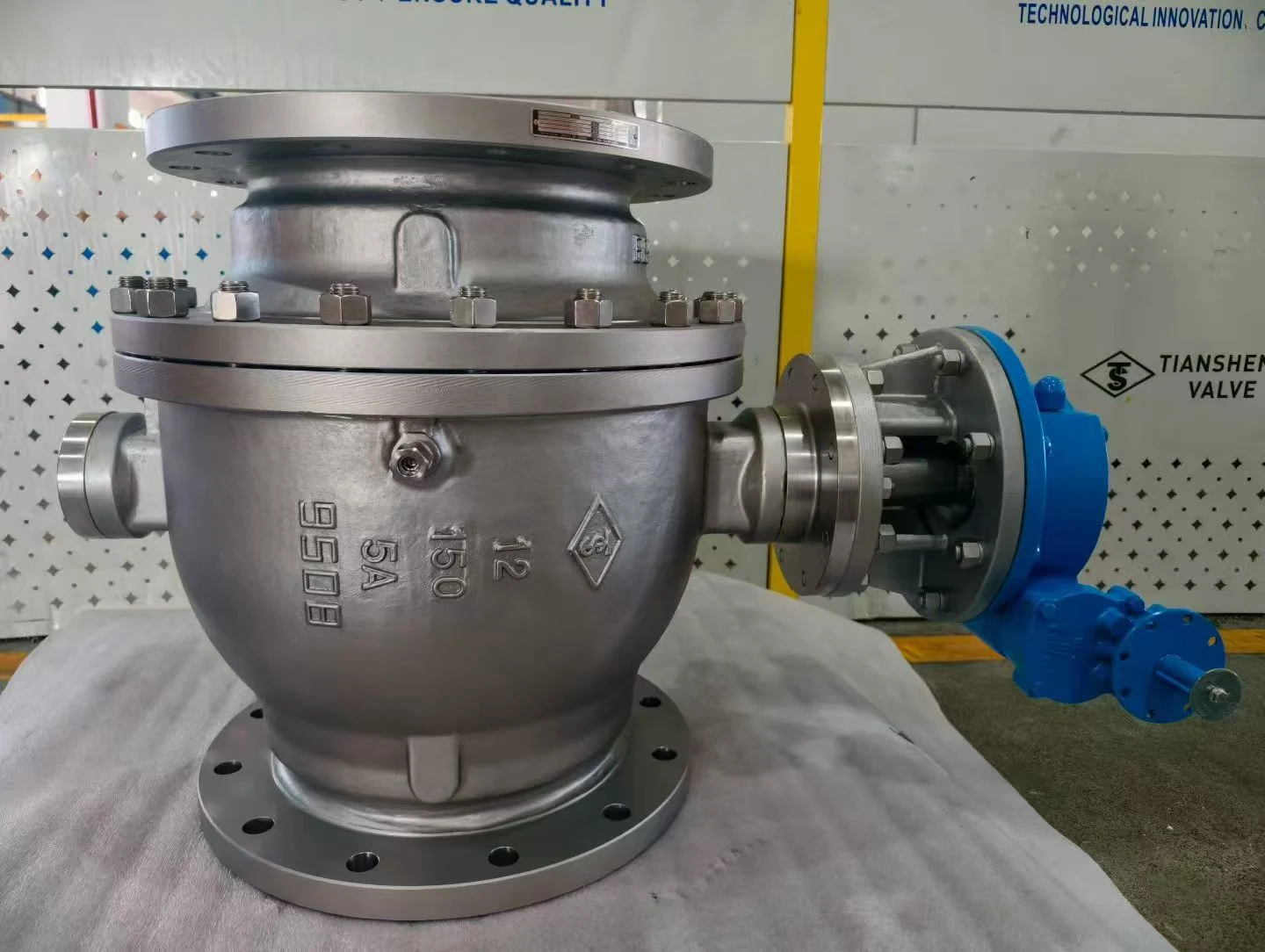
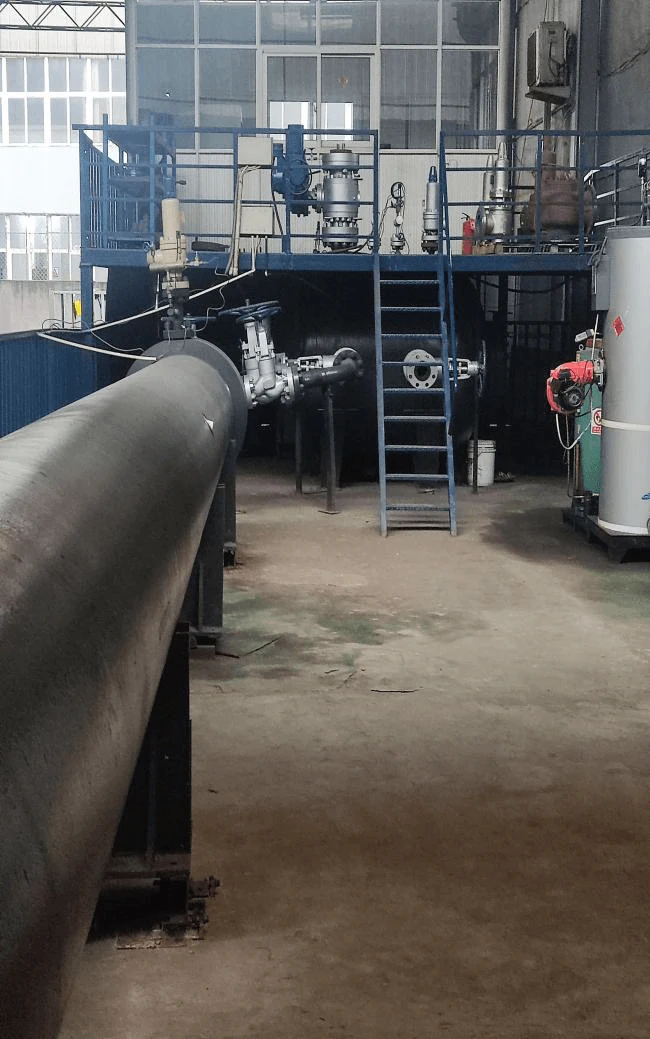 Factory photograph
Step-by-step test execution using calibrated water seals and displacement chambers. Leakage acceptance limits for soft-seated vs. metal-seated relief valves at 90% set pressure.
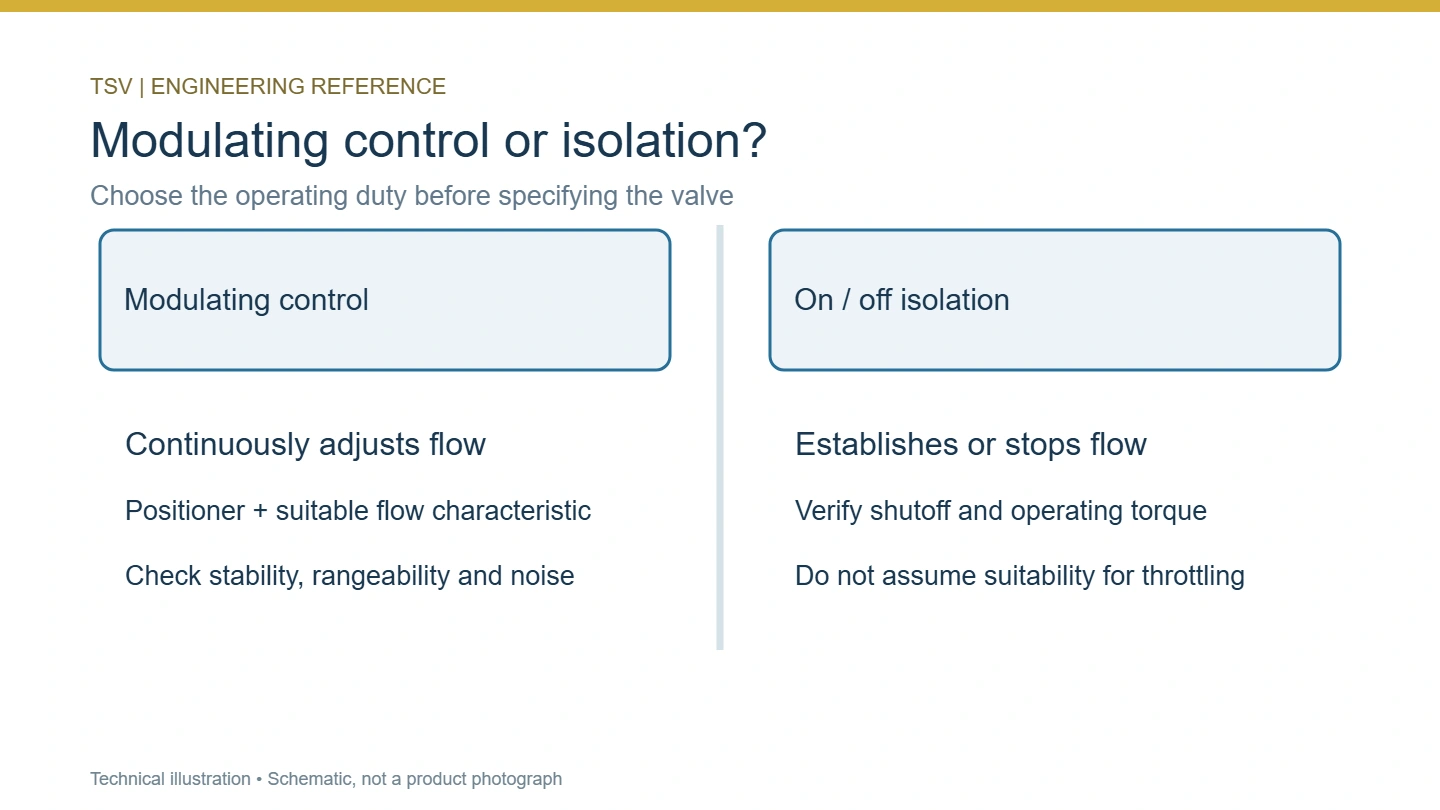
Why throttled gate or ball valves suffer catastrophic wire-drawing erosion, and why globe control valves should not be relied on for bubble-tight emergency isolation.
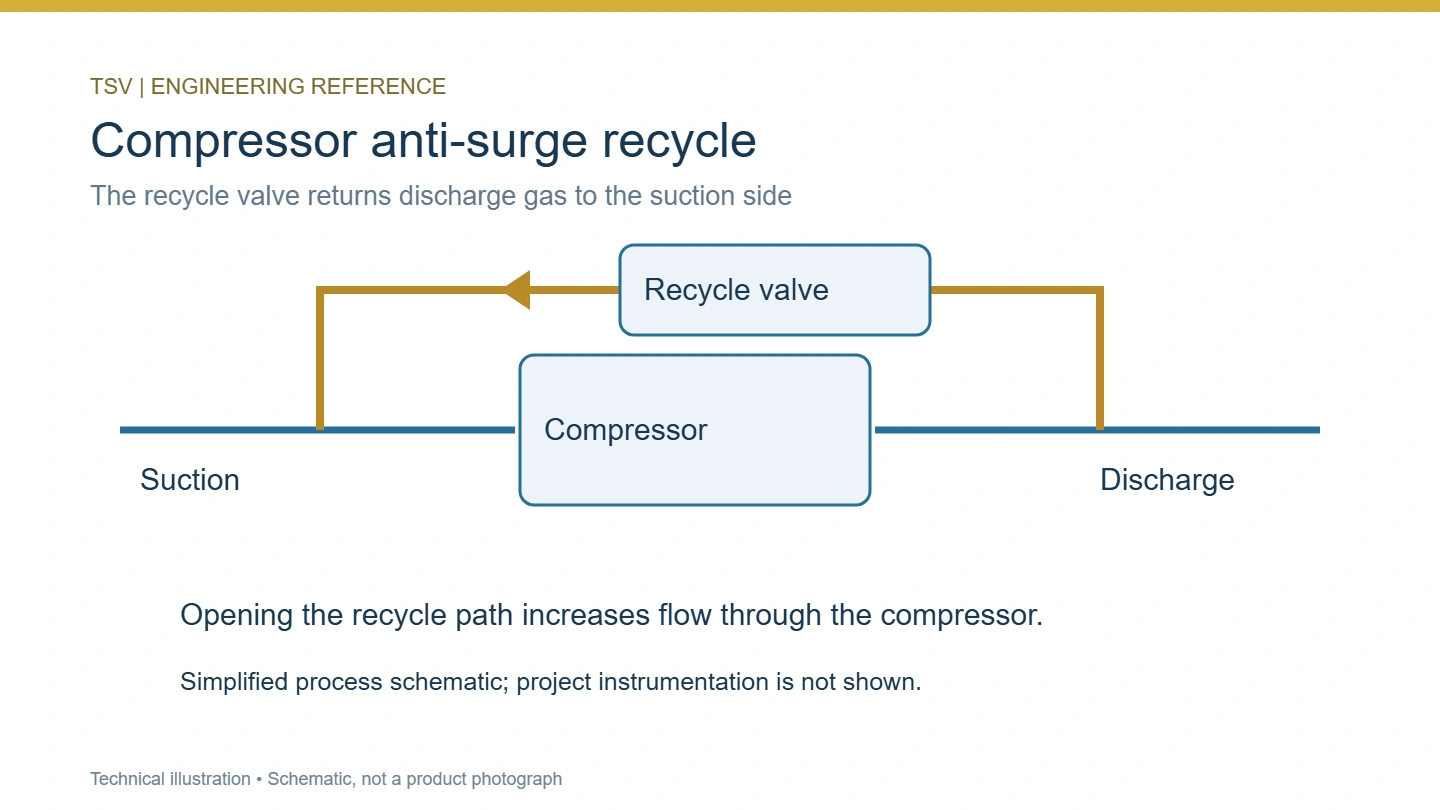
Milliseconds count when protecting multi-million dollar centrifugal compressors. Stroke speeds < 1.0 second, quick exhaust pneumatic topologies, and high-noise attenuation trim.
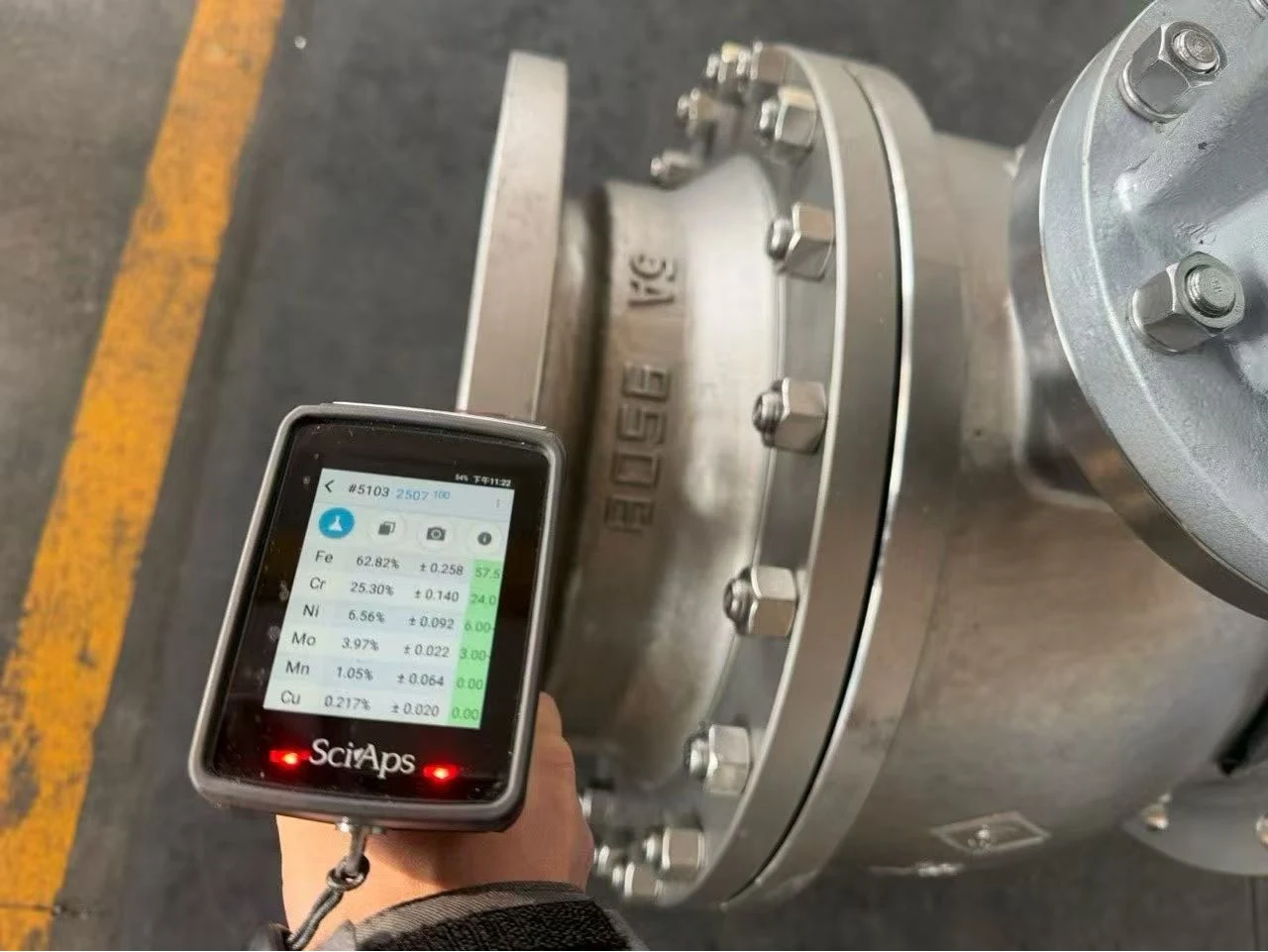
Preventing Sulfide Stress Cracking (SSC) and Stress Corrosion Cracking (SCC) in lethal gas fields. 22 HRC thresholds, Inconel 625 weld overlays, and post-weld heat treatment protocols.