
1. Executive summary: the EPC valve sourcing dilemma in China
Over the past two decades, China has evolved into the world's largest producer of industrial pressure valves, manufacturing over 35% of global output across municipal water, chemical processing, power generation, and upstream oil and gas sectors. However, the market remains highly bifurcated:
| Item | Detail |
|---|---|
| Tier-1 API monogrammed mills | Fully certified, capital-intensive manufacturing facilities equipped with automated 5-axis CNC machining bays, in-house metallurgical testing labs, robotic hardfacing cells, and cryogenic test bunkers. These mills hold valid API 6D, API 600, API 602, API 609, CE/PED, and ISO 15848-1 certifications and are regularly approved on major oil company Approved Manufacturer Lists (AML). |
| Commercial trading intermediaries & assembly workshops | Entities operating out of commercial office suites or basic assembly sheds that source uninspected cast shells from informal village foundries, assemble parts with cheap uncertified soft goods, and apply cosmetic paint to mimic Tier-1 brands. They offer 20% to 35% lower pricing but present catastrophic quality, safety, and schedule risks. |
When an EPC contractor unwittingly places a multi-million-dollar valve package with an intermediary masquerading as a factory, the consequences downstream are catastrophic: porous cast bodies leaking volatile hydrocarbons, stems binding during shutdown trips, non-compliant metallurgy cracking in sour gas service, and multi-month project commissioning delays resulting in hundreds of thousands of dollars in liquidated damages. Conducting a rigorous, on-site technical factory audit is the only reliable safeguard against these catastrophic outcomes.
2. Phase 1: corporate & legal verification (manufacturer vs. trading company)
The initial phase of an audit begins well before stepping onto the factory floor. Sophisticated brokers frequently build polished English websites featuring photos of third-party workshops, claim extensive manufacturing capabilities on Alibaba or Made-in-China, and present business cards displaying titles like "International Sales Director." A forensic legal check instantly cuts through this facade.
2.1 The Chinese business license (营业执照) scope test
Request an original, unredacted, color PDF copy of the supplier's Unified Social Credit Business License. Verify the license immediately via China's official National Enterprise Credit Information Publicity System (国家企业信用信息公示系统, gsxt.gov.cn):
| Verification Parameter | Direct Factory / Manufacturer | Trading Company / Commercial Broker | Audit Verification Action |
|---|---|---|---|
| Registered Business Scope (经营范围) | Must explicitly contain: 生产 (Manufacturing), 制造 (Fabrication), or 加工 (Processing) of valves. |
Only contains: 销售 (Sales), 批发 (Wholesale), 贸易 (Trade), or 货物进出口 (Import/Export). |
If "生产/制造" is absent, the entity is legally forbidden from manufacturing products under Chinese industrial law. |
| Registered Plant Address vs. Office | Located inside a recognized heavy industrial zone (e.g., Sanmen, Yongjia/Oubei in Wenzhou, Binhai New Area in Tianjin, Yancheng in Jiangsu). | Located in a commercial business center, high-rise office tower, or residential suite. | Cross-reference the registered address with land title deeds (不动产权证) or industrial lease contracts. |
| Industrial Power Utility Bills | High-voltage 10kV / 380V three-phase commercial industrial electricity bills exceeding tens of thousands of kWh per month. | Standard commercial lighting electricity bills under 2,000 kWh per month. | Request power bills for the past 6 consecutive months; heavy CNC machining and hydro-testing consume enormous energy. |
| Environmental Impact Assessment (EIA / 环评批复) | Formal government environmental approval for machining, shot blasting, painting, and pressure testing. | None available; trading offices are exempt from industrial EIA requirements. | Verify local Ecology and Environment Bureau (生态环境局) discharge permit and hazardous waste disposal contracts. |
When confronted with an address mismatch, trading brokers frequently claim: "The office in Shanghai handles sales, while our wholly-owned factory is located in Wenzhou." Demand legal proof of shareholding: in the Chinese credit system, the trading entity must hold more than 50% equity in the manufacturing plant, or share identical ultimate legal beneficial owners (UBO). If there is no corporate shareholding link, they are independent third parties with zero legal liability for factory-floor quality failures.
3. Phase 2: raw material sourcing & foundry metallurgy audit
A valve's mechanical strength, corrosion resistance, and pressure-containment integrity are permanently sealed at the moment molten metal solidifies in the foundry mold. Over 70% of catastrophic valve shell failures originate from casting defects—such as subsurface shrinkage porosity, gas inclusions, sand burn-in, hot tears, and macro-segregation.
3.1 In-house foundry vs. Tier-1 subcontracted casting mills
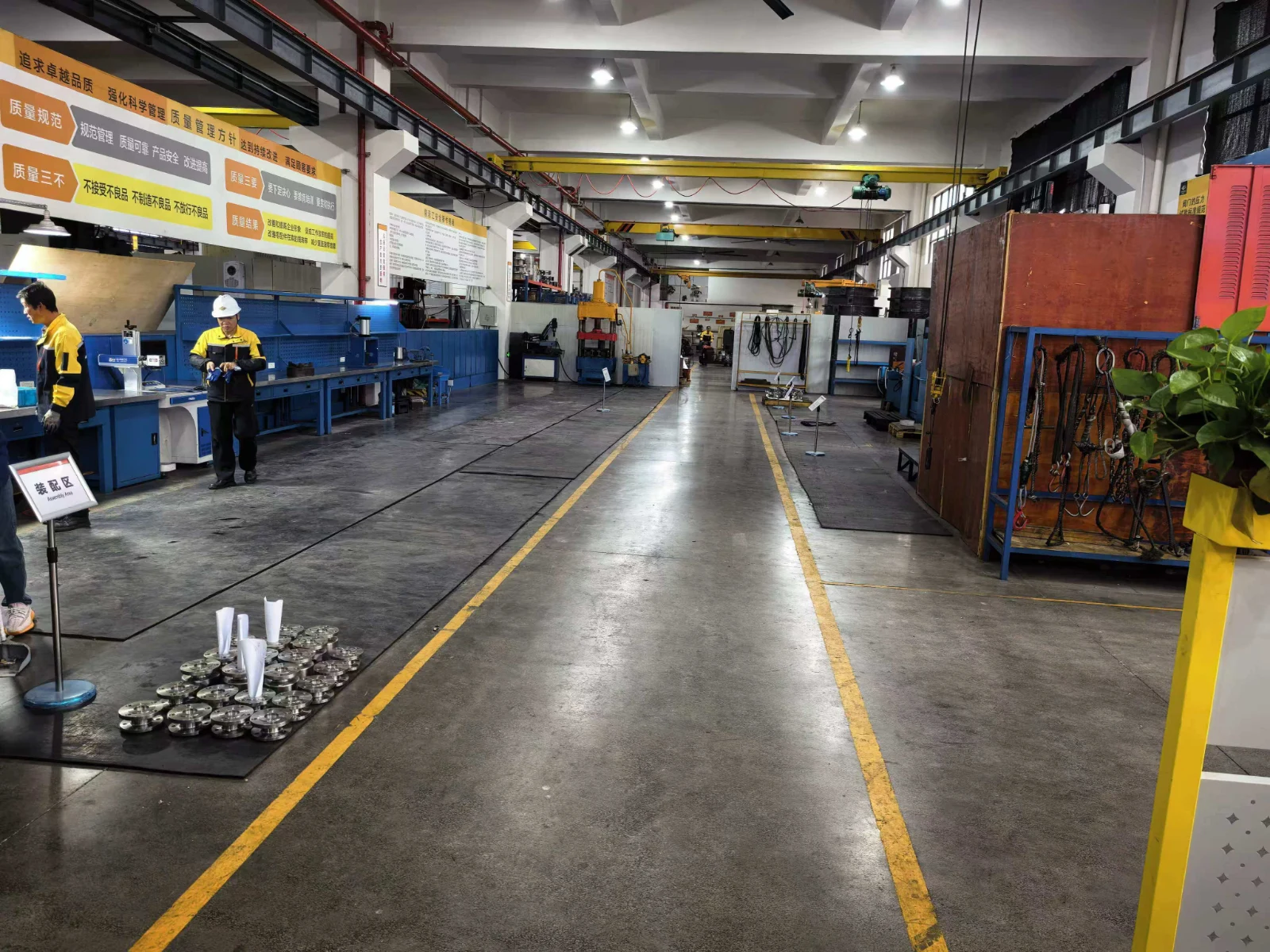
Few valve manufacturers in China own dedicated in-house foundries due to stringent environmental regulations (dual-carbon policy and VOC emissions controls). While outsourcing raw castings is standard global practice, the audit must evaluate how the valve manufacturer controls its foundry supply base:
| Item | Detail |
|---|---|
| Foundry prequalification dossiers | Review audit records of casting suppliers, verifying environmental permits, ISO 9001 certifications, and Lloyd’s Register or DNV foundry approvals. |
| Scrap metal & re-melt ratios | Low-tier foundries melt uncontrolled scrap metal with high tramp elements (lead, bismuth, tin) that cause hot shortness and cracking during welding. Verify maximum 30% controlled in-house revert scrap; remainder virgin pig iron. |
| Resin sand casting vs. investment casting | Verify use of automated furan resin sand molding for carbon steel bodies (clean surface finish, minimal sand inclusions) and lost-wax silica sol investment casting for stainless/alloy trims. |
4. Phase 3: positive material identification (PMI) & laboratory verification
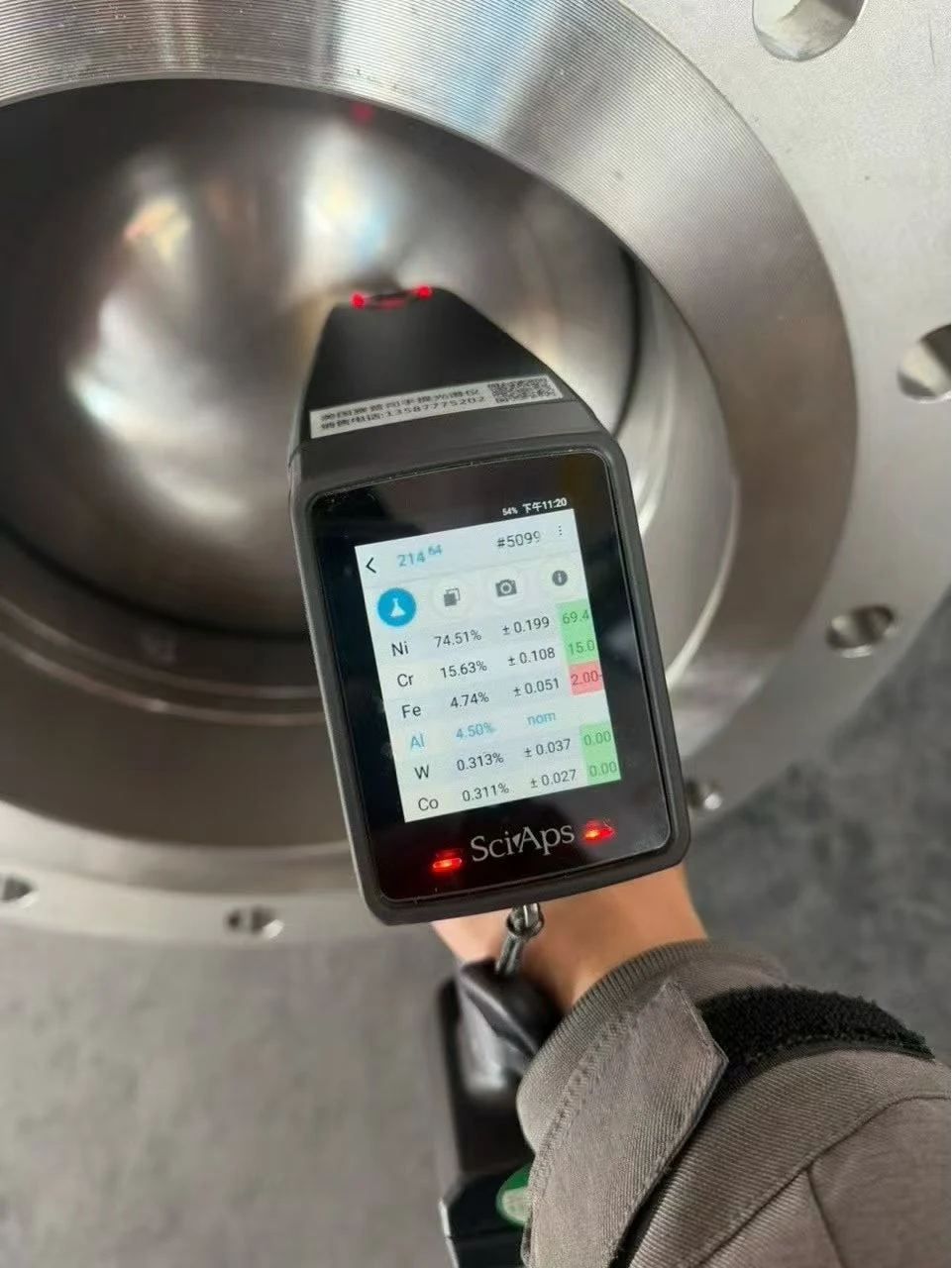
Positive Material Identification (PMI) is the ultimate defense against inadvertent or fraudulent alloy substitution. In complex EPC projects specifying 316L stainless steel, Super Duplex (UNS S32750), or Nickel Alloys (Inconel 625, Monel 400), physical appearance is identical to standard carbon steel or 304 stainless steel once painted or passivated.
| Inspection Technique | Equipment Type | Detectable Elements | Capabilities & Limitations in Valve Audits |
|---|---|---|---|
| Handheld XRF Spectrometry | Thermo Niton XL2/XL3, Olympus Vanta, Bruker S1 Titan | Ti, V, Cr, Mn, Fe, Co, Ni, Cu, Zn, Mo, W, Nb, Ta (Atomic # ≥ 22) | Gold Standard for Shop-Floor PMI: Non-destructive, delivers 5-second alloy identification directly on valve bodies, bonnets, stems, and seat rings. Limitation: Cannot detect Carbon (C), Nitrogen (N), Boron (B), or Lithium (Li). |
| Spark Optical Emission (OES) | Mobile OES with Argon gas purge (Hitachi PMI-MASTER, SPECTROPORT) | All metallic elements + Carbon (C), Nitrogen (N), Sulfur (S), Phosphorus (P) | Mandatory for "L" Grade and Low-Carbon Steels: Distinguishes 316 (C ≤ 0.08%) from 316L (C ≤ 0.03%), and verifies Carbon Equivalent (CE) for ASTM A216 WCB weldability. Leaves a tiny burn arc mark. |
| Ferrite Scope Testing | Fischer Feritscope FMP30 | Ferrite Content (% or Ferrite Number FN) | Key for Duplex & Super Duplex Steels: Verifies the 50/50 austenite-ferrite balance per ASTM A890 / NACE MR0175. Ferrite must measure between 35% and 65% in both body base metal and weld overlays. |
Check the manufacturer's internal Quality Control Plan (QCP). While ISO standards permit statistical batch sampling (e.g., 10%), severe-service oil & gas contracts mandate 100% PMI testing on all pressure-retaining components (body, bonnet, cover) and 100% on wetted trim components (stem, ball/wedge, seat ring, gland follower). Request to see yesterday's actual PMI log sheets: match test record serial numbers against physical valves sitting in the warehouse.
5. Phase 4: precision CNC machining & dimensional tolerances
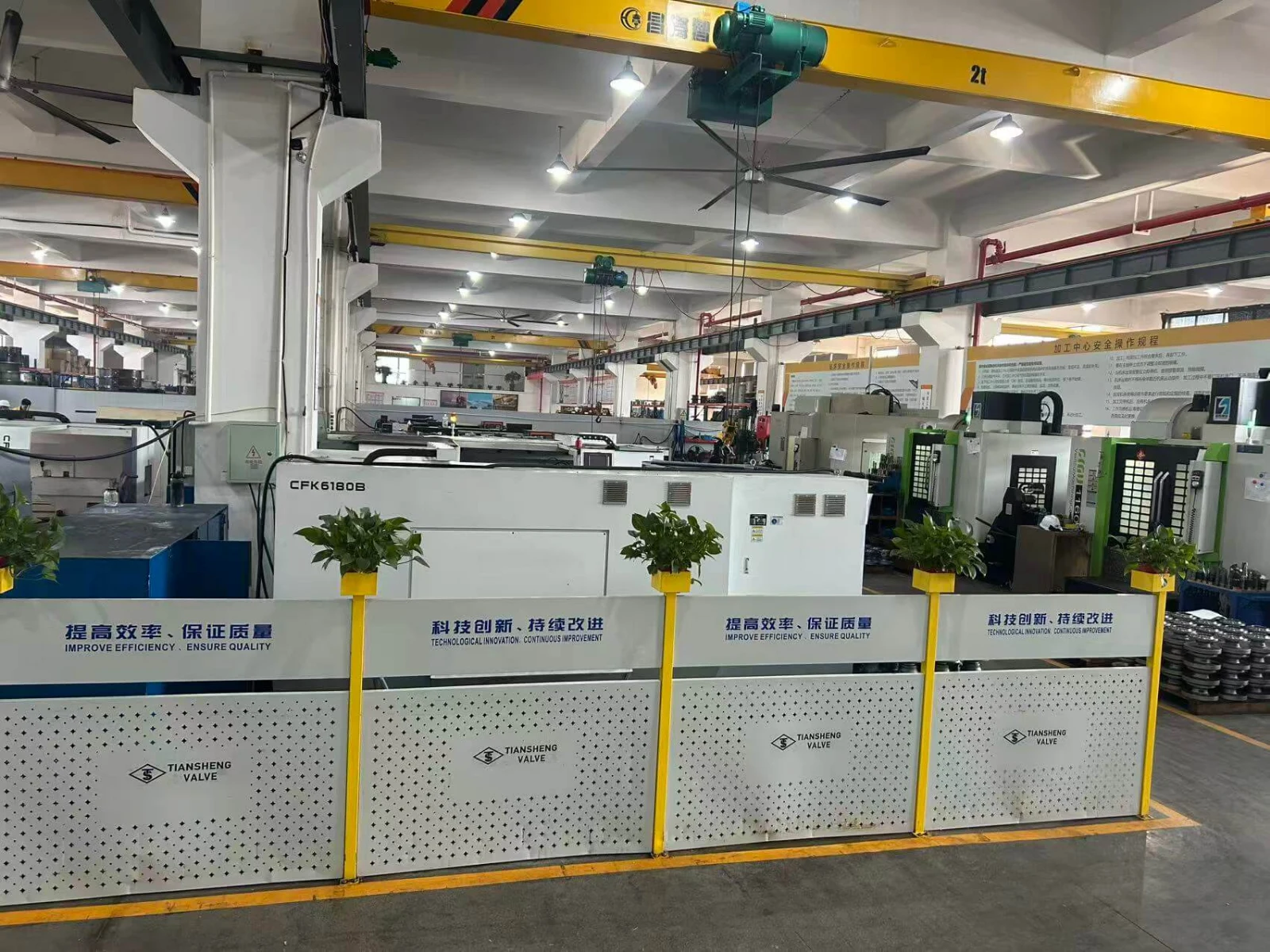
Even metallurgically pristine castings will fail prematurely if machining tolerances, concentricity, and surface finishes do not conform to ASME B16.34 and API standards. During the shop-floor tour, auditors must thoroughly inspect the machining department:
5.1 Machinery lineup & operational discipline
| Item | Detail |
|---|---|
| Manual lathes vs. multi-axis CNC | Relying heavily on manual engine lathes introduces human dimensional errors, inconsistent flange gasket serrations, and poor stem straightness. Premium facilities use horizontal machining centers (HMC) and CNC vertical turret lathes (VTL) with digital touch probes. |
| Tooling wear & calibration logs | Review tool management systems. Worn cutting inserts cause surface tearing and work-hardening on austenitic stainless steels (316L, 904L, Duplex). |
| Flange serration spiral verification | Verify flange gasket sealing surfaces are machined to ASME B16.5 requirements: 125 to 250 micro-inches (3.2 to 6.3 μm Ra) for raised face (RF) serrated spiral finish. |
6. Phase 5: assembly cleanliness, trim hardfacing & elastomer control
Valve assembly requires the environmental cleanliness of an operating theater, not a metal fabrication scrap yard. Foreign contaminants—such as metal shavings, grinding dust, shot blast grit, or sand particles—trapped between the ball and seat ring during assembly cause catastrophic seat scoring on the very first operational stroke.
6.1 Assembly area environmental conditions
| Item | Detail |
|---|---|
| Segregated assembly bays | Carbon steel, stainless steel, and nickel alloy assemblies must be strictly separated. Grinding carbon steel in the vicinity of stainless valves introduces iron particulate contamination that causes severe pitting corrosion in service. |
| Lint-free cleaning & degreasing | All components must undergo solvent degreasing and ultrasonic cleaning prior to assembly. Oxygen service valves require dedicated cleanrooms with blacklight UV inspection for zero hydrocarbon residue. |
| Traceable assembly travelers | Every valve must have a serial-numbered router traveler card signed off at each station: body prep, seat installation, stem torque verification, and packing installation. |
6.2 Trim hardfacing & Stellite weld overlays
For severe throttling, steam service, slurry piping, or high-differential-pressure isolation, metal-to-metal seating requires protective hardfacing:
| Item | Detail |
|---|---|
| Cobalt-base alloys (Stellite 6 / Stellite 12) | Verify hardness of deposited weld overlays: Stellite 6 must achieve 38 to 44 HRC to prevent galling on metal-to-metal seating. |
| Plasma transferred arc (PTA) vs. manual oxy-fuel | PTA welding produces low base-metal dilution (< 10%), uniform deposit thickness, and zero micro-fissuring compared to uncontrolled manual stick or torch welding. |
| Post-weld stress relief (PWHT) | Verify local or furnace PWHT procedures for welded seats in heavy wall valves per ASME B31.3. |
6.3 Elastomer & soft goods shelf-life control
Soft-seated valves rely on PTFE, RPTFE, PEEK, Devlon V, Viton (FKM), Nitrile (NBR), or FFKM (Kalrez) seals. Elastomers age and degrade under heat, ozone, and UV radiation. Inspect the soft goods storage crib: seals must be stored in climate-controlled, opaque packaging stamped with vulcanization cure dates and batch numbers per SAE ARP5316. Installing O-rings that have exceeded their 5-year shelf life leads to explosive decompression (AED) or rapid chemical dissolution in hydrocarbon pipelines.
7. Phase 6: pressure testing verification per API 598 & ISO 5208
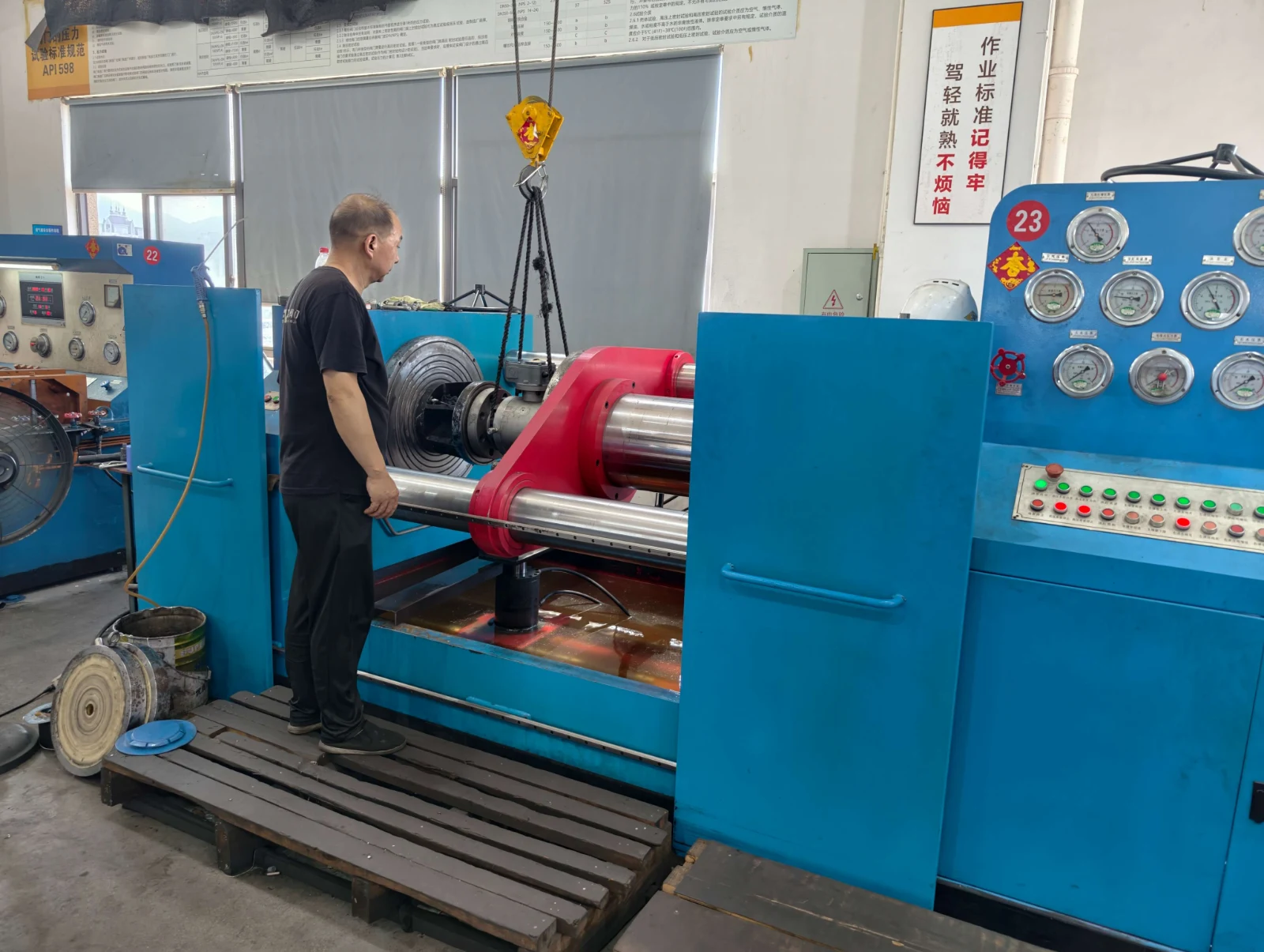
Factory Acceptance Testing (FAT) is the moment of truth in valve manufacturing. In rogue workshops, pressure testing gets skipped, cut to a few seconds, or run on uncalibrated benches to meet shipping deadlines.
7.1 Standard test pressures and minimum holding durations
Auditors must stand beside the test technician, check the master pressure gauge calibration certificate, and time the test holding durations with a stopwatch per API 598 (Valve Inspection and Testing, 10th Edition):
| Test Description | Test Medium | Required Test Pressure | Holding Time: NPS ≤ 2" (DN 50) | Holding Time: NPS 2-1/2" to 6" (DN 65-150) | Holding Time: NPS ≥ 8" (DN 200) | Permissible Leakage Criteria |
|---|---|---|---|---|---|---|
| Shell Hydrostatic Test | Inhibited Water (Chlorides < 30 ppm for SS) | 1.5 × Maximum Cold Working Pressure (CWP) | 15 seconds | 60 seconds | 180 seconds | Zero visible leakage. No weeping, sweating, or droplet formation through body, bonnet, or welds. |
| High-Pressure Backseat Test (Gate & Globe Valves) | Inhibited Water | 1.1 × Maximum Cold Working Pressure (CWP) | 15 seconds | 60 seconds | 60 seconds | Zero visible leakage past stem packing gland with packing loosened. |
| High-Pressure Hydrostatic Seat Test | Inhibited Water | 1.1 × Maximum Cold Working Pressure (CWP) | 15 seconds | 60 seconds | 120 seconds | Soft-seated: Zero leakage. Metal-seated: Allowed drops per minute based on NPS per API 598 Table 6. |
| Low-Pressure Air / Gas Seat Test | Dry Compressed Air or Nitrogen (N2) | 80 psi ± 10 psi (0.6 MPa / 6.0 bar) | 15 seconds | 60 seconds | 120 seconds | Submerged underwater or tested with calibrated bubble-meter tube. Soft-seated: 0 bubbles/min (Rate A). |
When testing stainless steel (CF8, CF8M, CF3M) or duplex stainless steel valves, testing water must have a strictly controlled chloride content < 30 ppm (or < 50 ppm per project specs) to prevent chloride stress corrosion cracking (CSCC). Ask the QC laboratory for recent water test certificates, or conduct a silver nitrate chemical strip test on-site directly from the test tank.
8. Phase 7: paint, surface coating & shot blasting standards
Valves installed in offshore marine environments, coastal refineries, or arctic installations rely on their exterior coating system for multi-decade survival against salt fog and atmospheric corrosion. A premier valve will fail externally from rust within 18 months if surface preparation is neglected.
| Item | Detail |
|---|---|
| Surface preparation standards | SSPC-SP 10 / NACE No. 2 (Near-White Metal Blast Cleaning) with surface profile (anchor pattern) between 50 to 75 μm Ra. |
| Environmental controls during painting | Temperature must be > 3°C above dew point, relative humidity < 85%. Review ambient logging charts. |
| DFT verification & holiday testing | Dry Film Thickness (DFT) measured with calibrated magnetic gauges. High-voltage holiday spark testing (NACE SP0188) for internal epoxy linings. |
9. Phase 8: preservation, export packing & ISPM-15 wooden crating
The final hurdle in international valve procurement is surviving 30 to 60 days of ocean freight across rough, humid sea conditions, port crane handling, and rough customs transshipment.

9.1 Key export packaging safeguards
| Item | Detail |
|---|---|
| Flange protection | Every flange face must be protected with heavy-duty plastic flange protectors or plywood covers bolted with minimum 3 bolts. |
| Desiccant & vapor corrosion inhibitor (VCI) | Internal cavities must be clean, dry, and dosed with VCI powder or desiccant bags before sealing end ports. |
| Heavy-duty ISPM-15 crating | Export crating must use heat-treated, fumigated timber bearing the official IPPC stamp, lined with waterproof polyethylene film. |
10. The 50-Point factory audit scoring matrix (EPC master template)
When conducting an on-site audit, use this structured, category-weighted scoring model. Total score ≥ 85% qualifies the manufacturer for critical service; 70-84% qualifies for standard utility duty only; < 70% results in immediate disqualification.
| Audit Category | Weight | Key Shop-Floor Checkpoints (Score 1 to 5 per item) | Fatal Automatic Disqualification Triggers |
|---|---|---|---|
| 1. Legal & Management System | 10% | Business license scope (生产/制造), valid ISO 9001/14001/45001, organizational chart, internal training logs, management review records. | License only permits "销售" (Trading/Sales); fraudulent third-party certificates. |
| 2. Raw Materials & Traceability | 15% | Approved foundry AVL, incoming raw casting IQC logs, heat code physical stamping, scrap metal segregation, warehouse rack organization. | Unable to trace physical valve heat code back to an authentic EN 10204 3.1 MTR. |
| 3. Metallurgical & PMI Capability | 15% | Calibrated handheld XRF spectrometer on-site, optical emission spectrometer (OES), Ferrite scope, hardness tester (HB/HRC), NDT certifications (ASNT Level II). | No PMI testing equipment available; substituting 304 for specified 316 metallurgy. |
| 4. CNC Machining & Tooling | 15% | Multi-axis CNC turning and boring centers, tooling wear monitoring, stem burnishing / Ra 0.4 µm surface finish, CMM dimensional checks, calibrated micrometers. | Expired calibration labels on inspection gauges; manual lathes used for high-tolerance stem sealing. |
| 5. Welding & Hardfacing | 10% | WPS / PQR / WPQ records qualified per ASME Section IX, automated PTA / laser cladding for Stellite, PWHT furnace calibration charts, low-hydrogen welding rod ovens. | Welders lack ASME IX qualifications; manual uncontrolled torch cladding on severe-service trims. |
| 6. Assembly & Cleanliness | 10% | Segregated clean assembly area, solvent degreasing, lint-free wiping materials, elastomer shelf-life storage per SAE ARP5316, O-ring grease compatibility. | Assembly conducted in dirty grinding bay; using expired or unbagged O-ring stock. |
| 7. Pressure Testing (API 598) | 15% | Dedicated hydro and pneumatic test benches, digital pressure transducers, dual analog gauges (calibrated every 6 months), holding time timers, chloride-controlled water. | Falsifying test durations (testing for only 3 seconds); visible shell sweating or through-seat leaking passed. |
| 8. Painting & Export Preservation | 10% | Shot blasting booth (Sa 2.5), surface profile gauges, WFT/DFT magnetic thickness meters, full flange face masking, ISPM-15 heat-treated crates, VCI desiccant. | Unprotected flange faces damaged by shot blasting; raw non-HT wooden crates. |
11. TSV Valve's open-door inspection policy & third-party witness support
At TSV Valve (Tiansheng Valve Co., Ltd.), we welcome customer factory audits, prequalification inspections, and third-party inspection (TPI) agencies to audit our Wenzhou manufacturing facilities at any time during project execution:
| Item | Detail |
|---|---|
| 100% direct manufacturer verification | We operate our own dedicated manufacturing facilities in Wenzhou, China, welcoming unannounced visits and comprehensive factory audits. |
| Complete digital traceability | Every valve produced by TSV is tracked through an integrated ERP system linking casting heat numbers, mechanical test results, assembly travelers, and hydrostatic test charts. |
| Unconditional access for client inspectors | We provide dedicated inspection offices, calibrated testing facilities, and metallurgical laboratory support for client-appointed inspectors and third-party agencies (TÜV, DNV, SGS, Bureau Veritas). |
Whether you require a live physical audit in Wenzhou or an interactive, high-definition live video inspection walk-through witnessing API 598 pressure testing and PMI verification, our engineering and quality teams are ready to support your technical evaluation. Contact our technical team at info@tsvvalves.com or submit an audit request via our online RFQ portal.
Related TSV Quality & Technical Resources:
- TSV Quality Assurance System, Certifications & Testing Accreditations
- Browse certificates and approvals
- EN 10204 3.1 vs 3.2 Material Test Reports: Detecting Fake MTRs in Valve Procurement
- The EPC Valve RFQ & Data Sheet Checklist: 12 Costly Specification Mistakes
- Cast vs. Forged Valves: Procurement Decision Guide on Pricing & Lead Times
12. Frequently asked questions (technical & procurement FAQ)
Looking for Fully Certified API 6D Industrial Valves with 100% Traceability?
TSV Valve manufactures severe-service ball, gate, globe, check, and control valves with full in-house NDT, EN 10204 3.1/3.2 certification, and global AML prequalification.