
1. The high cost of ambiguous valve data sheets in capital projects
In oil and gas, petrochemical, and power generation engineering projects, valve procurement sits at the critical intersection of process engineering, piping materials engineering, mechanical packages, and commercial supply chain. When an engineering team issues a valve Request for Quotation (RFQ) containing vague or incomplete data sheets, two predictable outcomes occur:
| Item | Detail |
|---|---|
| The clarification impasse (bid delay) | Bidders submit 20+ technical clarification requests (TQ), pushing bid evaluation schedules out by 4 to 8 weeks. |
| The post-award cost shock (change orders) | Winning bidders claim scope growth and issue massive commercial variation requests once exact piping specs are disclosed. |
| The field failure liability (catastrophic rework) | Valves delivered to the jobsite fail field hydrotests, leak sour gas into atmospheric vents, or seize under actuator load, requiring emergency shutdown turnaround rework at 10x the original valve purchase price. |
Worse still, if an incorrectly specified valve bypasses engineering reviews and arrives on-site, the financial damage escalates exponentially: field weld cut-outs, emergency valve replacements, fugitive emissions environmental fines, and delayed plant commercial operation dates (COD) that incur liquidated damages exceeding tens of thousands of dollars per day.
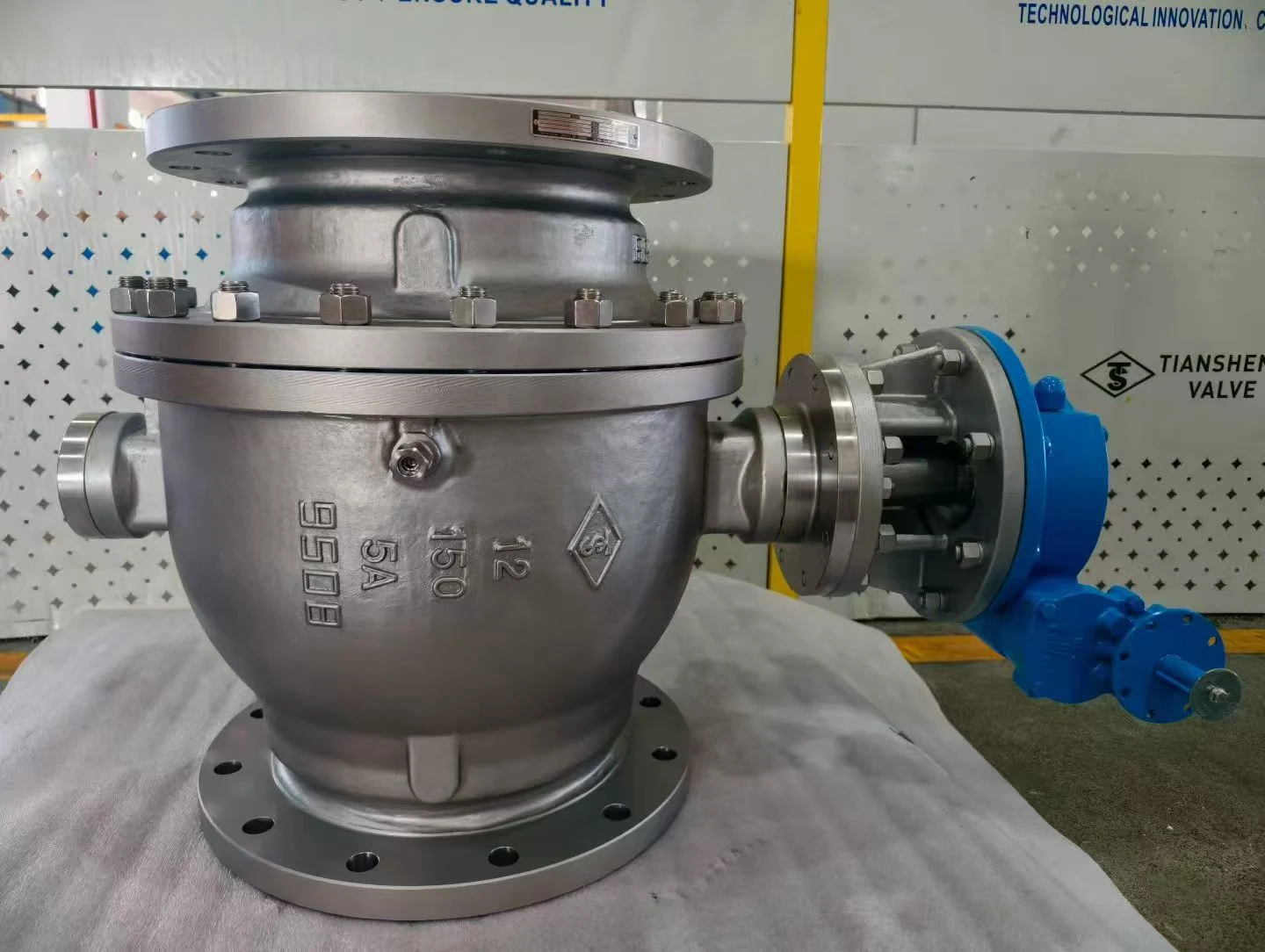
2. The STAMPED engineering framework for valve RFQs
To eliminate specification omissions across complex multi-item valve requisitions, piping engineering departments employ the battle-tested STAMPED methodology. Every single valve line item must satisfy all seven core dimensions before an RFQ is released to vendors:
| STAMPED Pillar | Critical Engineering Parameters | Consequences if Omitted or Ambiguous |
|---|---|---|
| S — Size & Port Bore | Nominal Pipe Size (NPS / DN), Full Bore (FB) vs. Reduced Bore (RB / Regular Port), Piggable bore requirements per API 6D. | Reduced bore valves quoted instead of piggable full bore; pipeline scraper pigs stuck in lines. |
| T — Temperature Limits | Minimum Design Metal Temperature (MDMT), Maximum Operating Temperature, Design Excursion Temperatures, Cryogenic or High-Temp Steam extremes. | Carbon steel embrittlement failure below MDMT (-29°C vs -46°C); elastomer melting under high steam temperatures. |
| A — Application & Function | Isolation (On-Off), Throttling/Modulating Control, Flow Prevention (Check), Emergency Shutdown (ESD / HIPPS), Double Block and Bleed (DBB). | Using a gate valve for throttling (seat wire-drawing); non-slam dual plate check valve omitted on pump discharge (water hammer). |
| M — Media & Process Chemistry | Fluid state (Liquid, Gas, Multiphase), Specific Gravity / Molecular Weight, Viscosity, H2S / CO2 Partial Pressures, Chloride PPM, Solid Slurry %. | Premature corrosion, sulfide stress cracking (SSC), severe erosion, or toxic chemical permeation through soft seals. |
| P — Pressure Envelope | Design Pressure, Operating Pressure, Maximum Differential Pressure (ΔP) at shut-off, ASME Pressure Class (150# through 2500#) or API Rating (3000 to 15000 psi). | Actuator undersized for maximum shut-off differential pressure; body wall thickness fails hydrostatic test. |
| E — End Connections & Facing | Flanged (ASME B16.5 / B16.47), Raised Face (RF 125-250 AARH), Ring Type Joint (RTJ), Butt-Weld (ASME B16.25 pipe schedule wall thickness), Socket Weld (ASME B16.11). | Mismatched flange ratings; butt-weld valve bore wall thickness thinner than connecting pipe, preventing field girth welding. |
| D — Delivery & Documentation | FAT Testing (API 598 / API 6D), Fire-Safe (API 607), Fugitive Emissions (ISO 15848-1), NDT (RT/UT/PT), MTRs (EN 10204 3.1 or 3.2), VDRL/CDRL schedule. | Shipment rejected at customs or plant site gate due to missing third-party witnessed inspection test records or missing MTR heat traceability. |
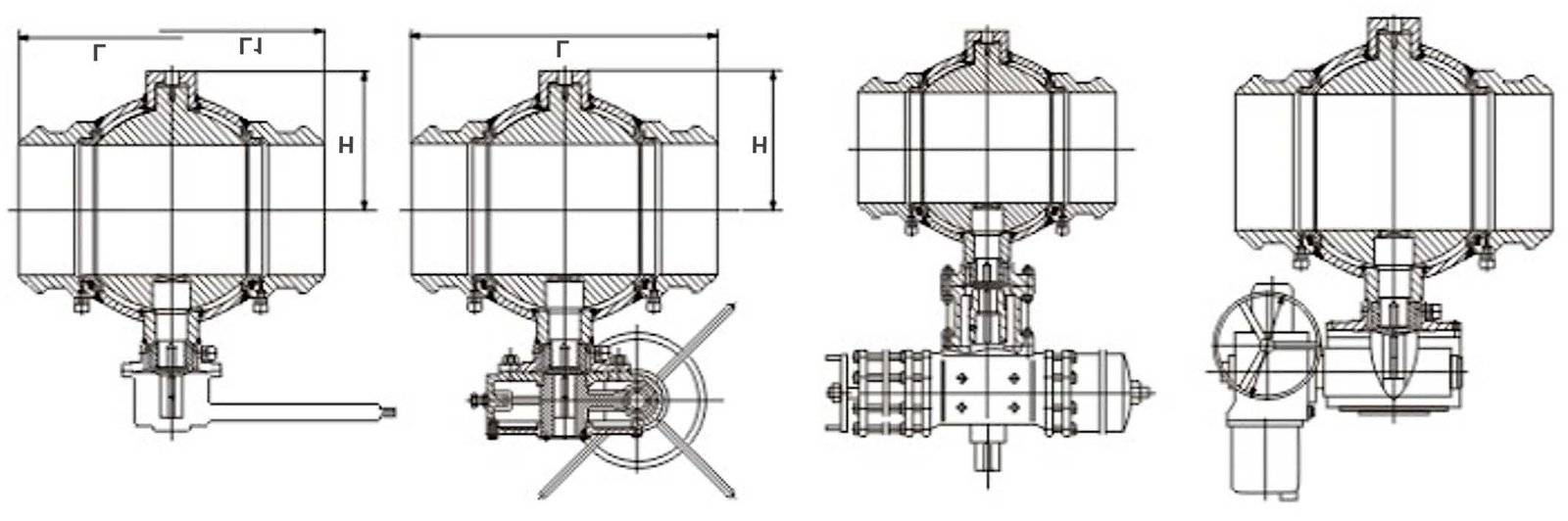
3. The 12 most costly valve RFQ specification mistakes
Mistake #1: specifying nominal pressure class without operating & design temperatures
The single most frequent error on valve inquiry sheets is stating: "Quantity 10, 4-inch Ball Valve, ASME Class 300, Carbon Steel WCB." This statement is dangerously incomplete. Under ASME B16.34 (Valves — Flanged, Threaded, and Welding End), pressure ratings are not static: they de-rate severely as temperature rises:
| ASTM Material Grade | ASME Pressure Class | Rated Working Pressure @ -29°C to 38°C (-20°F to 100°F) | Rated Working Pressure @ 200°C (392°F) | Rated Working Pressure @ 350°C (662°F) | Pressure De-Rating Impact |
|---|---|---|---|---|---|
| ASTM A216 Gr. WCB (Carbon Steel) | Class 150 | 19.6 bar (285 psig) | 13.8 bar (200 psig) | 10.2 bar (148 psig) | -48% Capacity Loss at 350°C |
| ASTM A216 Gr. WCB (Carbon Steel) | Class 300 | 51.1 bar (740 psig) | 43.8 bar (635 psig) | 39.8 bar (577 psig) | -22% Capacity Loss at 350°C |
| ASTM A351 Gr. CF8M (316 SS) | Class 150 | 19.0 bar (275 psig) | 13.4 bar (194 psig) | 11.4 bar (165 psig) | -40% Capacity Loss at 350°C |
If an application operates at 45 bar and 250°C, a Class 300 WCB valve (rated for only 41.9 bar at 250°C) will rupture or leak. The valve must be upgraded to ASME Class 600. Rule: Never write an ASME pressure class without explicitly stating both Maximum Operating Temperature and Maximum Design Temperature.
Mistake #2: ambiguous trim codes (API 600 trim 8 vs. trim 5 vs. Inconel 625 clad)
Writing "Standard Trim" on a bill of materials is an invitation for dispute. For wedge gate and globe valves, API 600 establishes standardized trim numbering defining the metallurgy of the stem, seating surfaces, and backseat:
| Item | Detail |
|---|---|
| API 600 Trim 8 (universal trim) | 13Cr stem and disc seat with Stellite 6 (CoCr-A) hardfaced body seat. Ideal for non-corrosive steam, water, oil, and gas up to 450°C. |
| API 600 Trim 5 (full hardfaced trim) | Both disc and body seats are 100% hardfaced with Stellite 6. Mandatory for abrasive slurries, high-velocity throttling, and temperatures exceeding 450°C to prevent galling. |
| Inconel 625 clad trim | Solid CRA or 3.0 mm weld overlay on sealing surfaces and ring grooves. Mandatory for hot sour gas (wet H₂S) and offshore seawater service. |
Mistake #3: flange facing & serration finish ambiguity
Specifying "Flanged Ends" without detailing the facing profile and roughness leads to mating mismatches at the construction site:
| Item | Detail |
|---|---|
| Raised Face (RF) surface roughness | Standard finish must be 125 to 250 micro-inches (3.2 to 6.3 μm Ra) serrated spiral or concentric per ASME B16.5. Smooth finish (63 micro-inches) is required for PTFE or spiral wound gaskets with flexible graphite filler. |
| Ring Type Joint (RTJ) finish | Gasket groove side walls must have a surface finish of 63 micro-inches (1.6 μm Ra) or smoother, free of machining chatter. |
| Flat Face (FF) finish | Typically required for ductile iron or bronze mating flanges to prevent flange bending stresses during bolt torquing. |
Mistake #4: misapplying NACE MR0175 / ISO 15156 without H2S partial pressure limits
Procurement sheets frequently contain the blanket note: "Valves must comply with NACE MR0175." NACE MR0175 / ISO 15156 (Petroleum and natural gas industries — Materials for use in H2S-containing environments in oil and gas production) is not a single material specification; it is an environmental cracking evaluation framework spanning three distinct parts:
1. H2S Partial Pressure (ppH2S): Threshold for sour cracking triggers at ppH2S ≥ 0.05 psia (0.3 kPa). State the exact partial pressure in bar a or psia.
2. Environmental Severity Region: Part 2 designates Region 0, Region 1, Region 2, or Region 3 based on in-situ pH and ppH2S.
3. Hardness Caps: Carbon steels must not exceed 22 HRC (250 HV / 237 HBW). For weldments, Post-Weld Heat Treatment (PWHT) is mandatory per NACE MR0175 Section 7.3 to reduce heat-affected zone (HAZ) hardness below 248 HV.
4. Bolting Metallurgy: Standard B7 studs are forbidden in exposed sour environments; specify ASTM A193 Gr. B7M (hardness ≤ 235 HBW / 22 HRC) with 2HM nuts, or corrosion-resistant alloy Grade 660 / Inconel 718.
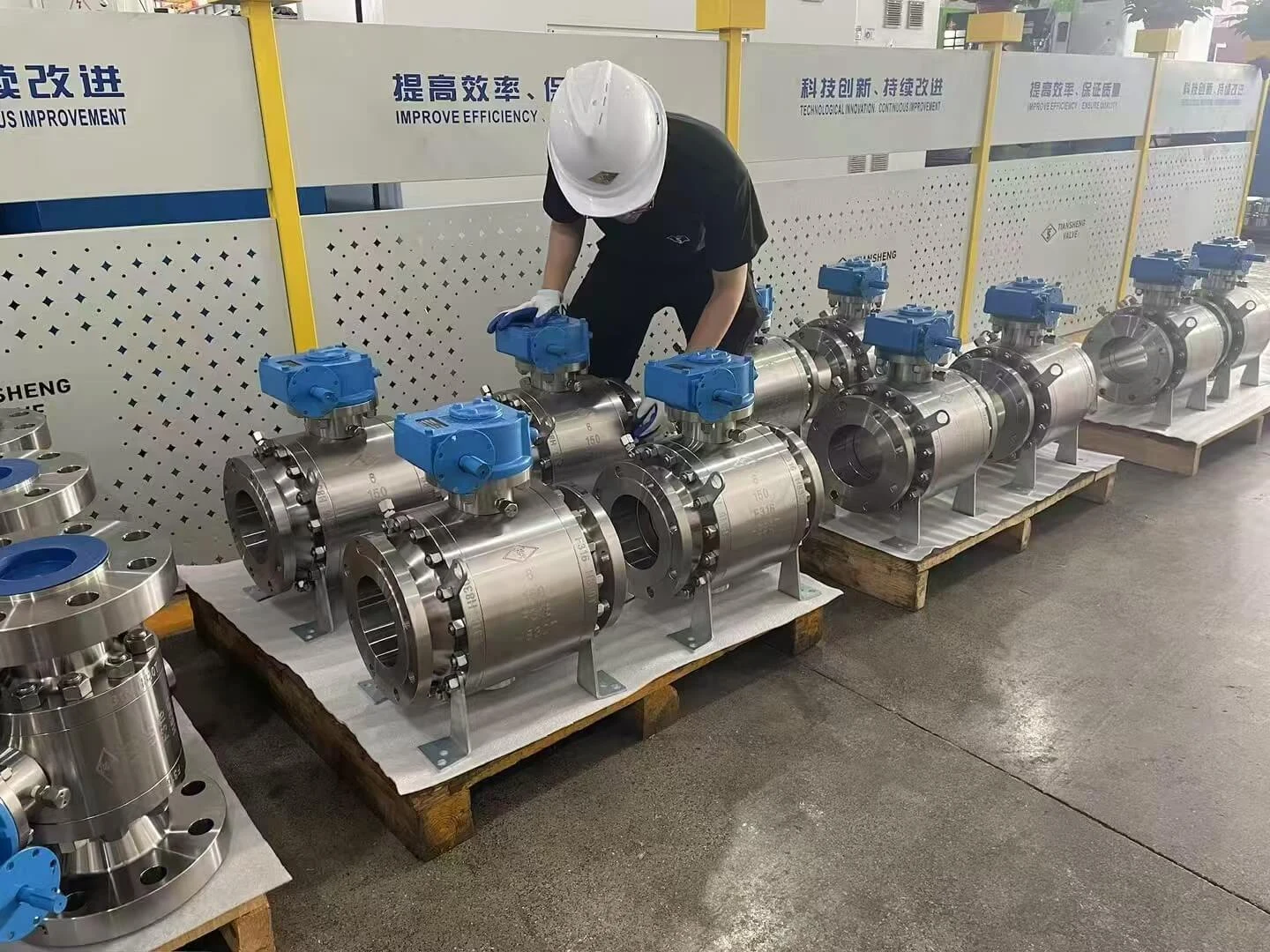
Mistake #5: undersizing actuator breakaway torque safety factors
When automated on-off or emergency shutdown (ESD) valves are specified, purchasing departments frequently order the bare valve from a valve mill and the actuator from a separate distributor without harmonizing torque margins:
| Item | Detail |
|---|---|
| Breakaway torque (BTO — break-to-open) | Peak torque required to unseat the ball or disc after sitting dormant under full differential pressure. Must include a minimum 1.3x to 1.5x engineering safety factor. |
| Run torque | Dynamic frictional torque during 10° to 80° travel. Critical for modulating control duty. |
| End-to-seat torque (ETC — end-to-close) | Torque required to achieve tight shutoff against soft or metal seat inserts. For metal-seated ball valves, seating torque can exceed breakaway torque. |
Mistake #6: overlooking fugitive emission leakage classes (ISO 15848-1 vs. API 641)
In response to global Environmental, Social, and Governance (ESG) mandates and strict EPA Method 21 / LDAR regulations, industrial facilities can no longer tolerate traditional valve stem gland leakage. If the RFQ does not specify a fugitive emissions certification standard, vendors will supply standard braided graphite packing, which can leak hundreds of parts per million of VOCs:
| Emission Standard | Governing Scope | Testing Medium | Leakage Tightness Classes | Thermal & Mechanical Endurance Cycles |
|---|---|---|---|---|
| ISO 15848-1 | Global standard for on-off and control valves | Helium (Vacuum Sniffing) or Methane | Class AH: ≤ 10-6 mg/(s·m) Class BH: ≤ 10-4 mg/(s·m) Class CH: ≤ 10-2 mg/(s·m) |
Mechanical cycles: CO1 (205 cycles), CO2 (1,500 cycles), CO3 (2,500 cycles) across -196°C to +400°C. |
| API 641 | Quarter-turn ball, butterfly, and plug valves | Methane (EPA Method 21 Sniffing) | ≤ 100 ppmv throughout testing | 610 mechanical cycles, 3 thermal cycles from ambient to 260°C (500°F) with zero packing gland adjustments. |
| API 624 | Rising stem gate and globe valves | Methane | ≤ 100 ppmv | 310 mechanical cycles, 3 thermal cycles up to 260°C without packing retightening. |
Mistake #7: unclear fire-safe standards (API 607 vs. API 6FA vs. BS 6755)
In flammable hydrocarbon pipelines, valves must maintain pressure-containment integrity even after soft seats and packing have incinerated in an external plant fire:
| Item | Detail |
|---|---|
| API 607 (fire test for quarter-turn valves and valves equipped with nonmetallic seats) | Evaluates valve through-seat and external leakage during and after a 30-minute direct fire burn at 750°C to 1,000°C. |
| API 6FA (fire test for API 6D pipeline valves) | Evaluates large-bore pipeline gate, plug, and ball valves. |
| ISO 10497 | The international counterpart to API 607. |
| Size qualification envelope trap | A common EPC mistake is assuming that certifying a 2" Class 150 valve qualifies the entire product family. In reality, per API 607 Clause 7, test results only qualify valves within specific size and pressure class envelopes. |
Mistake #8: vague flow media parameters (slurry %, chlorides, vapor flash)
Describing fluid as simply "Water" or "Condensate" leads to severe material mismatch. If boiler feedwater contains dissolved oxygen or demineralized ultrapure water (aggressive ion scavenging), standard carbon steel will pit rapidly. If cooling water is seawater or brackish, stainless steel 316 will suffer catastrophic pitting corrosion within months; Nickel Aluminum Bronze (NAB / ASTM B148 C95800) or Super Duplex (UNS S32750 / 2507) is mandatory. Always state chloride PPM, pH, suspended solids %, and potential for phase flashing.
Mistake #9: ignoring face-to-face & end-to-end dimensional standards
Per ASME B16.10 (Face-to-Face and End-to-End Dimensions of Valves), certain valve categories possess multiple standardized length options:
- Ball valves in Class 150/300 offer both "Short Pattern" and "Long Pattern" dimensions.
- Wafer vs. Lug vs. Flanged Butterfly valves have vastly differing installation lengths.
- If an EPC issues an RFQ without specifying the ASME B16.10 dimension table or existing spool tie-in dimensions during a brownfield debottlenecking project, the delivered valve will not fit between pre-welded pipeline flanges.
Mistake #10: omitting valve testing specification (API 598 standard vs. API 6D supplementary)
While API 598 is the standard baseline for commercial refinery valves, API 6D pipeline transmission valves mandate or offer critical supplementary testing options that must be explicitly listed on the RFQ data sheet:
| Item | Detail |
|---|---|
| Double block and bleed (DBB) test | Proves that both seats seal independently against cavity pressure. |
| Double isolation and bleed (DIB-1 vs. DIB-2) | DIB-1 requires bidirectional sealing on both seats (cavity relief mandatory). DIB-2 requires one unidirectional and one bidirectional seat. |
| High-pressure pneumatic shell test | Testing body integrity with high-pressure nitrogen gas (1.1x CWP) submerged underwater to detect micro-porosity impermeable to liquid water molecules. |
Mistake #11: incomplete vendor data requirements list (VDRL / CDRL schedule)
Quality documentation is just as vital as physical steel. Failure to append a detailed Vendor Data Requirements List (VDRL) to the RFQ leads to protracted disputes after contract award. Tier-1 EPC specifications mandate that the vendor submit:
- Certified General Arrangement (GA) Drawings with bill of materials, center of gravity, and lifting lug details within 2 weeks of PO.
- Quality Control Plan (QCP / Inspection & Test Plan ITP) for formal approval before raw casting pour.
- Certified Material Test Reports (MTRs) to EN 10204 Type 3.1 (or 3.2 for critical sour lines).
- Factory Acceptance Test (FAT) hydrostatic, pneumatic, and torque curve inspection certificates.
Mistake #12: neglecting preservation, nitrogen purging & long-term site storage protocols
Valves frequently sit in outdoor desert, tropical coastal, or sub-zero project laydown yards for 12 to 24 months before piping spools are erected and commissioning begins. Standard transit oil evaporates within 60 days. If long-term site preservation is required, the RFQ data sheet must stipulate:
- Desiccant breather bags inside end covers, or Nitrogen (N2) gas positive-pressure cavity purging with pressure indicators.
- Heavy-duty marine plywood or UV-stabilized polycarbonate flange blind discs bolted through all holes with neoprene elastomeric gaskets.
- Stem threads sealed with heavy non-melting grease and encased in removable canvas/polyethylene protective shrouds.
4. The master EPC valve RFQ data sheet template
Use this complete data sheet template for every industrial valve procurement package. Copy this structure directly into your engineering requisitions:
| Requisition Section | Required Parameter Field | Example EPC Project Specification Input |
|---|---|---|
| 1. General Service | Tag Number / Line Number | XV-1042 / 8"-HC-3014-150-CS |
| Service Description | High-Pressure Hydrocarbon Separator Vapor Outlet | |
| P&ID / Line Classification | PID-0420-Rev.C / Piping Class 3014-CS-Sour | |
| Environmental Compliance | NACE MR0175 / ISO 15156 Sour Service (Region 3, ppH2S = 0.85 bar) | |
| 2. Design Conditions | Nominal Size (NPS / DN) | NPS 8" (DN 200) — Full Bore (Piggable per API 6D) |
| Pressure Rating Class | ASME Class 600 (RF Raised Face per ASME B16.5) | |
| Design Pressure / Max ΔP | 95.0 bar g (1378 psig) / Max ΔP shut-off = 95.0 bar | |
| Design Temperature Range | MDMT: -46°C (-50.8°F) to Maximum Design: +180°C (356°F) | |
| Face-to-Face Standard | ASME B16.10 Long Pattern | |
| 3. Materials of Construction | Body / Bonnet Casting | ASTM A352 Gr. LCC (Low-Temp Carbon Steel) with 3.0mm Inconel 625 overlay |
| Ball / Wedge / Disc | ASTM A182 Gr. F316 / F316L + Stellite 6 Hardfacing on sealing face | |
| Stem Metallurgy | Inconel 718 (UNS N07718) or 17-4PH H1150M per NACE MR0175 | |
| Seat Ring & Inserts | Metal-to-Metal Tungsten Carbide (TC) Coating ≥ 200 µm or Devlon V | |
| Stem Packing & Seals | Die-formed flexible graphite with Inconel mesh anti-extrusion rings | |
| Body Bolting & Nuts | ASTM A320 Gr. L7M Studs + ASTM A194 Gr. 7M Nuts (Cadmium/PTFE coated) | |
| 4. Actuation & Controls | Operating Mode | Automated — Pneumatic Scotch Yoke Spring-Return (Fail Closed) |
| Instrument Air Supply | 5.5 bar g minimum to 7.0 bar g maximum air header | |
| Actuator Sizing Safety Factor | ASF ≥ 1.40 across BTO, RUN, and ETC under minimum supply air | |
| Control Accessories | SIL-3 Solenoid Valve (Ex-d), Smart 4-20mA Positioner, Proximity Switches | |
| 5. Testing & Certification | Pressure Testing Standards | API 6D / API 598 + Extended Low-Pressure Gas + DBB Cavity Test |
| Fire-Safe Certification | API 607 7th Edition / ISO 10497 Certified | |
| Fugitive Emission Class | ISO 15848-1 Class BH (Helium) ≥ 1,500 mechanical cycles | |
| Material Test Reports (MTR) | EN 10204 Type 3.1 with 100% PMI verification and Charpy impact @ -46°C |
5. How TSV Valve streamlines your RFQ process
At TSV Valve (Tiansheng Valve Co., Ltd.), our senior application engineering team reviews customer RFQ packages with rigorous engineering scrutiny to safeguard your project from costly site delays:
| Item | Detail |
|---|---|
| 24-to-48-Hour technical quotation turnaround | Our dedicated EPC estimating desk reviews your piping line classes, P&ID conditions, and STAMPED parameters, providing fully compliant technical bid proposals (TBP) with complete deviation lists. |
| Integrated valve + actuator automation testing | We manufacture and assemble complete valve automation packages in-house, conducting full torque-curve profiling, stroke speed verification, and SIL-rated emergency shutdown (ESD) functional testing before shipment. |
| Complete in-house NDT & metallurgical dossiers | Every valve is accompanied by complete, digitally traceable documentation dossiers: EN 10204 3.1 MTRs, PMI records, RT/UT non-destructive examination reports, API 598 hydro-test charts, and 3-coat paint DFT logs. |
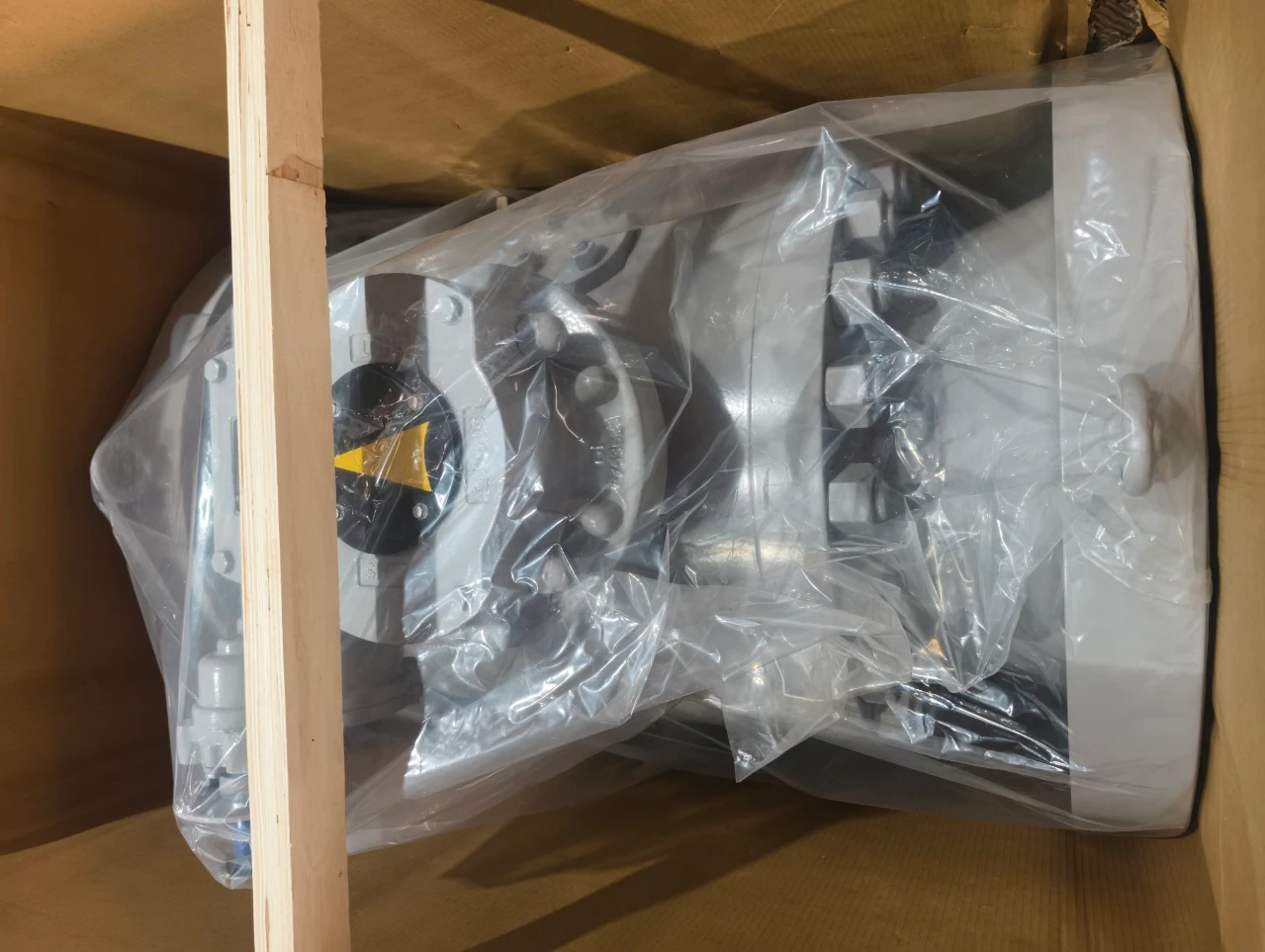
Have an active EPC project requisition, piping bill of materials, or complex valve data sheet? Send your RFQ package directly to our technical sales team at info@tsvvalves.com or use our interactive online RFQ builder below for a comprehensive technical and commercial bid within 24 hours.
Related TSV Engineering & Procurement Guides:
- How to Audit a Chinese Valve Manufacturer: The 50-Point Factory vs Trading Company Checklist
- EN 10204 3.1 vs 3.2 Material Test Reports: Detecting Fake MTRs in Valve Procurement
- Cast vs. Forged Valves: Procurement Decision Guide on Pricing & Lead Times
- Explore TSV Full Line of API 6D Ball, Gate, Globe, Check & Control Valves
- Interactive IEC 60534 Cv Flow Coefficient Calculator
6. Frequently asked questions (technical & procurement FAQ)
Looking for Fully Certified API 6D Industrial Valves with 100% Traceability?
TSV Valve manufactures severe-service ball, gate, globe, check, and control valves with full in-house NDT, EN 10204 3.1/3.2 certification, and global AML prequalification.