
Lever vs Gearbox vs Actuator, How to Operate a Valve
The operating method is chosen from torque, size and how often the valve moves. It is also the item most often decided too late.
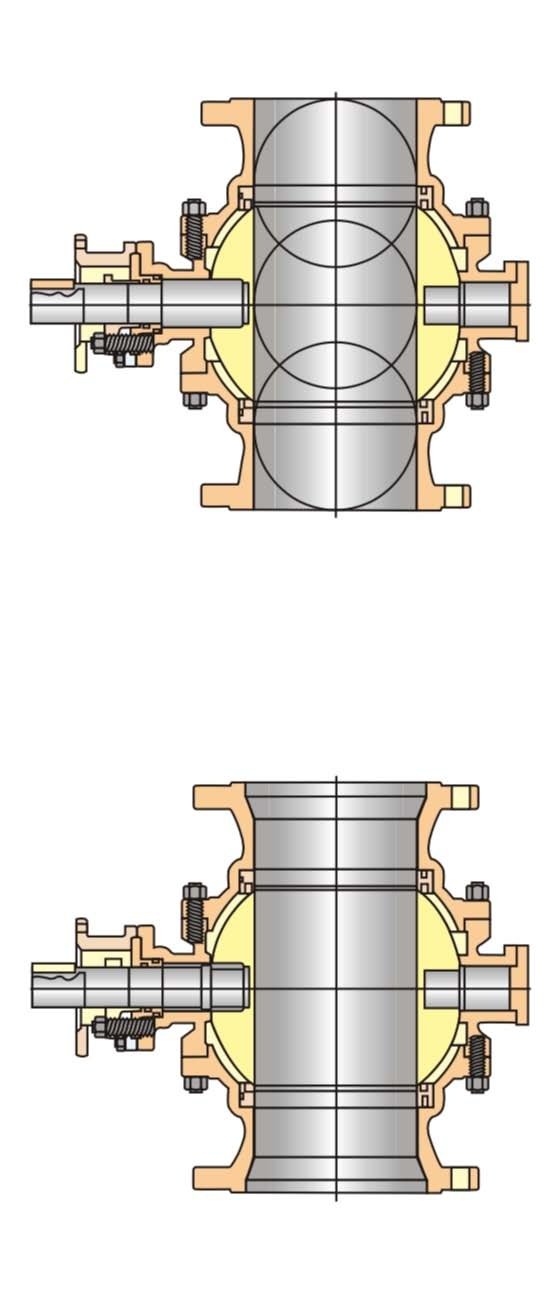
Lever vs Gearbox vs Actuator, How to Operate a Valve
A valve that cannot be operated is not a valve. The operating method has to match the torque the valve needs, the space available around it, and how often it will be moved.
The cost of getting it wrong is and money. A valve that is too hard to turn is a valve that stays in whatever position it was left in, and a partly open isolation valve is a problem waiting to be noticed.
Torque sets the packaging
Hand operation works up to the torque a person can reasonably apply with the tool provided. Beyond that, a gearbox multiplies the input, which is why handwheels through worm gears appear on large valves.
The torque itself depends on the valve type, the bore, the class and whether the valve seals in one or both directions. A floating ball valve loaded by line pressure needs more input as the bore grows; a trunnion valve does not grow in the same way.
How often the valve moves
A valve operated twice a year can be manual. A valve operated twice a day, or from a control room, cannot. The frequency of operation, not the size, is what makes automation worth paying for.
Where the valve is automated, the actuator is sized from the valve torque with a safety factor, and the failure position has to be specified. Those two decisions determine whether the installation works under fault conditions.
Access and the human factor
Handwheels and levers need space, and they need to be reachable. Valves installed at height or behind other equipment are effectively manual-only on paper and inaccessible in practice.
Where access is poor, a gearbox with an extended spindle or an actuator is not a luxury, it is the difference between a maintainable valve and one that is operated when somebody can reach it.
Operating Methods
| Item | Detail | Note |
|---|---|---|
| Lever | Small quarter-turn valves | Fast, cheap, no infrastructure |
| Handwheel | Multi-turn valves, small to medium sizes | Direct, no gearing |
| Gearbox | Larger sizes and higher torque | Reduces input effort; chain wheel where the handwheel is out of reach |
| Pneumatic actuator | Fast operation, fail-safe position, modulating duty | Needs air; spring return gives a defined failure position |
| Electric actuator | Remote or precise duty, no air available | Needs power; stored energy required to move on power loss |
From the works and the projects
Questions this page answers
There is no fixed size; it depends on torque, which depends on the valve type, class and bore. The practical test is the input effort a person can reasonably apply, so the torque figure is what should be checked.
Normally not, unless it is in a safety function or is inaccessible. Automation is usually justified by frequency of operation or by a required failure position.
It depends on the actuator. A spring-return pneumatic unit goes to its defined failure position with no external power; an electric unit needs stored energy to move.