
A216 WCB, Carbon Steel Valve Bodies
WCB is the body material behind most industrial valves. It is strong, weldable, cheap, and it has a clear set of limits.
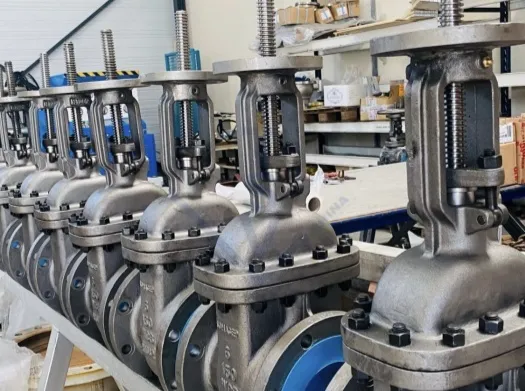
A216 WCB, Carbon Steel Valve Bodies
A216 WCB is a cast carbon steel used for valve bodies across the industry. Its combination of strength, weldability and cost keeps it as the default choice for water, oil, gas and steam service, and it appears on most plant specifications as the body material unless the medium rules it out.
The forged equivalent, A105, appears in small-bore and forged valves where a casting would be impractical. The two are related in chemistry and behaviour, and they are often specified alongside each other in the same project.
Where WCB is the right answer
Water, oil, gas and steam service across a wide temperature band; refinery and power plant isolation; utility lines; and any duty where the medium is not aggressive enough to warrant a stainless or alloy grade.
It is also the easiest body material to weld, which matters where the valve has weld ends, and the easiest to machine, which keeps lead times predictable.
Where it stops
Corrosion is the limit. Acidic media, chlorides, and anything that attacks iron will take a corrosion allowance out of a WCB body, which makes the valve heavier and eventually makes the material uneconomic compared with a stainless grade.
At elevated temperature the allowable stress falls, which is reflected in the pressure-temperature rating rather than in a separate statement. The rating table is the document that governs, not the grade name.
Specifying it properly
State the medium, the temperature and the pressure class, and let the grade follow. Where the service is mildly corrosive, state the corrosion allowance the project expects so the wall thickness can be checked against it.
For sour service, WCB is not automatically acceptable: NACE MR0175 and ISO 15156 set hardness and condition requirements that have to be met, and the documentation has to show it. Send the service conditions with the enquiry.
Wcb In Service
| WCB IN SERVICE | |
|---|---|
| Typical duty | Water, oil, gas, steam; plant and utility isolation |
| Temperature behaviour | Rating falls with temperature, per ASME B16.34 |
| Corrosion | The limiting factor; aggressive media rule it out |
| Welding | Straightforward, which suits weld-end valves |
| Sour service | Only with NACE MR0175 / ISO 15156 compliance documented |
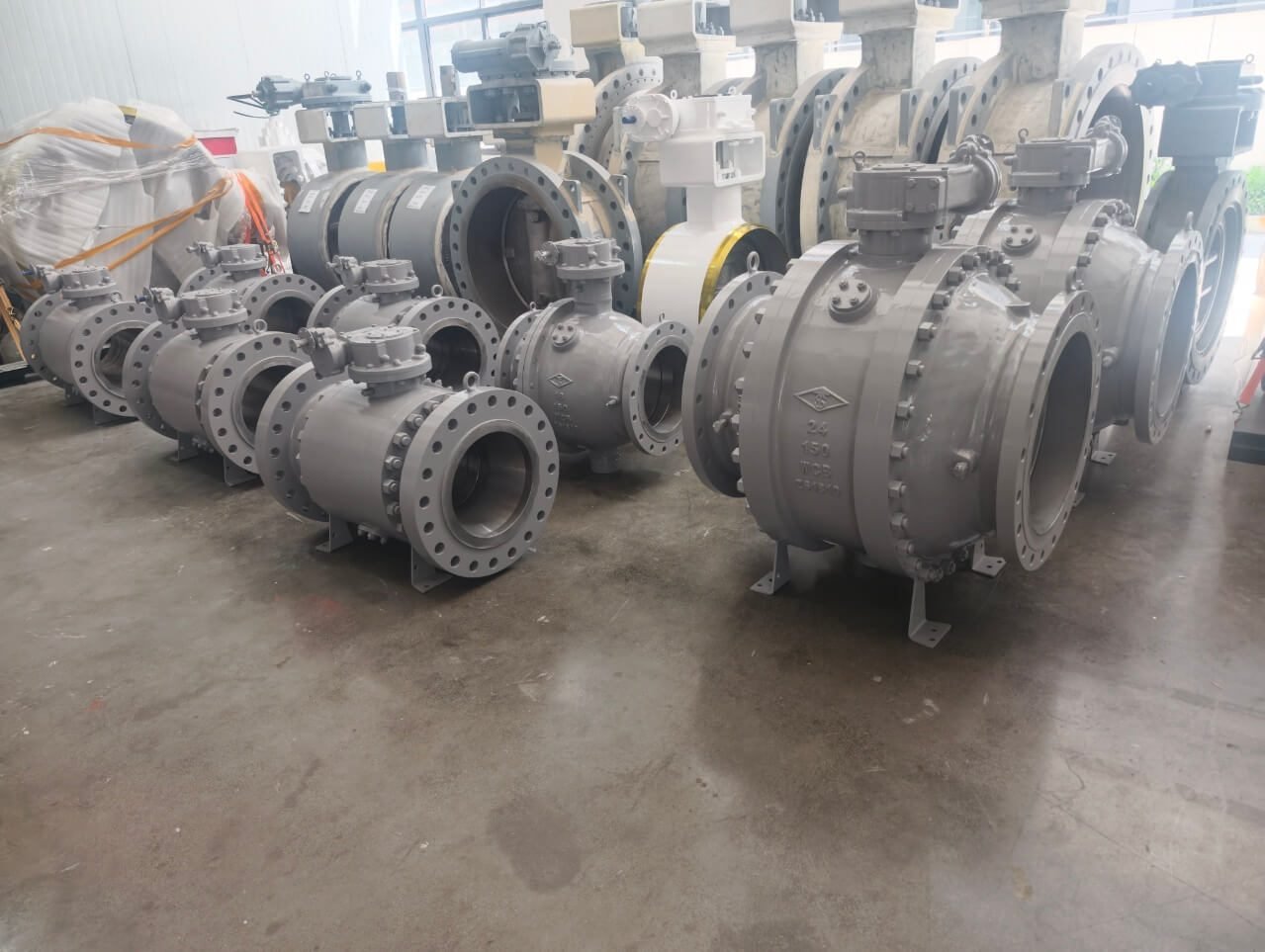
From the works and the projects
Questions this page answers
Generally not, because of corrosion. Seawater duty normally needs a stainless, duplex or higher alloy body, and the choice should be checked against the chloride level and temperature.
WCB is the cast grade and A105 the forged grade. They are used for different valve constructions, with forgings common on small-bore and high-pressure designs.
Only if it meets the NACE MR0175 / ISO 15156 requirements, including the hardness limits, and the documentation shows it. Send the H2S partial pressure and chloride content with the enquiry.