
Chrome-Moly Steels, WC6, WC9 and Their Use
Above the temperature where carbon steel loses its strength, chrome-moly grades take over. They exist for steam and hot process duty, not for corrosion.
Chrome-Moly Steels, WC6, WC9 and Their Use
Chrome-moly steels carry chromium and molybdenum to retain strength at temperatures where plain carbon steel would relax and creep. They are the standard answer for main steam, hot reheat and the high-temperature process lines around them.
The choice between the grades tracks the temperature. As the design temperature rises, the alloy content rises with it, and the valve body follows.
Why an alloy instead of a thicker wall
One answer to a hot line is more wall thickness in carbon steel, the other is a stronger alloy. The alloy is normally the better answer because it keeps the valve lighter and keeps the thermal gradients across the wall smaller.
At the temperatures where main steam valves live, the difference is not marginal. The rating table for a chrome-moly grade holds up where carbon steel has already lost a large part of its allowable stress.
What changes in manufacture
Chrome-moly grades are less forgiving than carbon steel. Welding needs controlled procedures and preheat, and post-weld heat treatment may be required where the section is thick or the joint is critical.
That has a lead-time consequence. A chrome-moly valve is not simply a WCB valve in a different colour, and the enquiry should state the grade rather than the temperature alone so the shop can plan the heat treatment.
The temperature is the specification
The design temperature, not the normal operating temperature, is what selects the grade. A line that normally runs cool but is designed for a much higher upset condition has to be built for the design case, because the valve will be there when it happens.
State the design temperature and the design pressure together. With those two, the material group and the class can be confirmed from the rating table instead of being inferred.
Where Chrome-Moly Is Used
| Item | Detail | Note |
|---|---|---|
| Main steam lines | Elevated temperature and pressure | Grade tracks the design temperature |
| Hot reheat | High temperature with cycling | Section thickness drives heat treatment |
| Process heaters | High-temperature hydrocarbon service | Alloy content selected against temperature |
| Steam isolation valves | Large bore, frequent thermal movement | Welded ends often preferred |
| Not chosen for | Corrosion resistance | These are high-temperature grades, not corrosion grades |
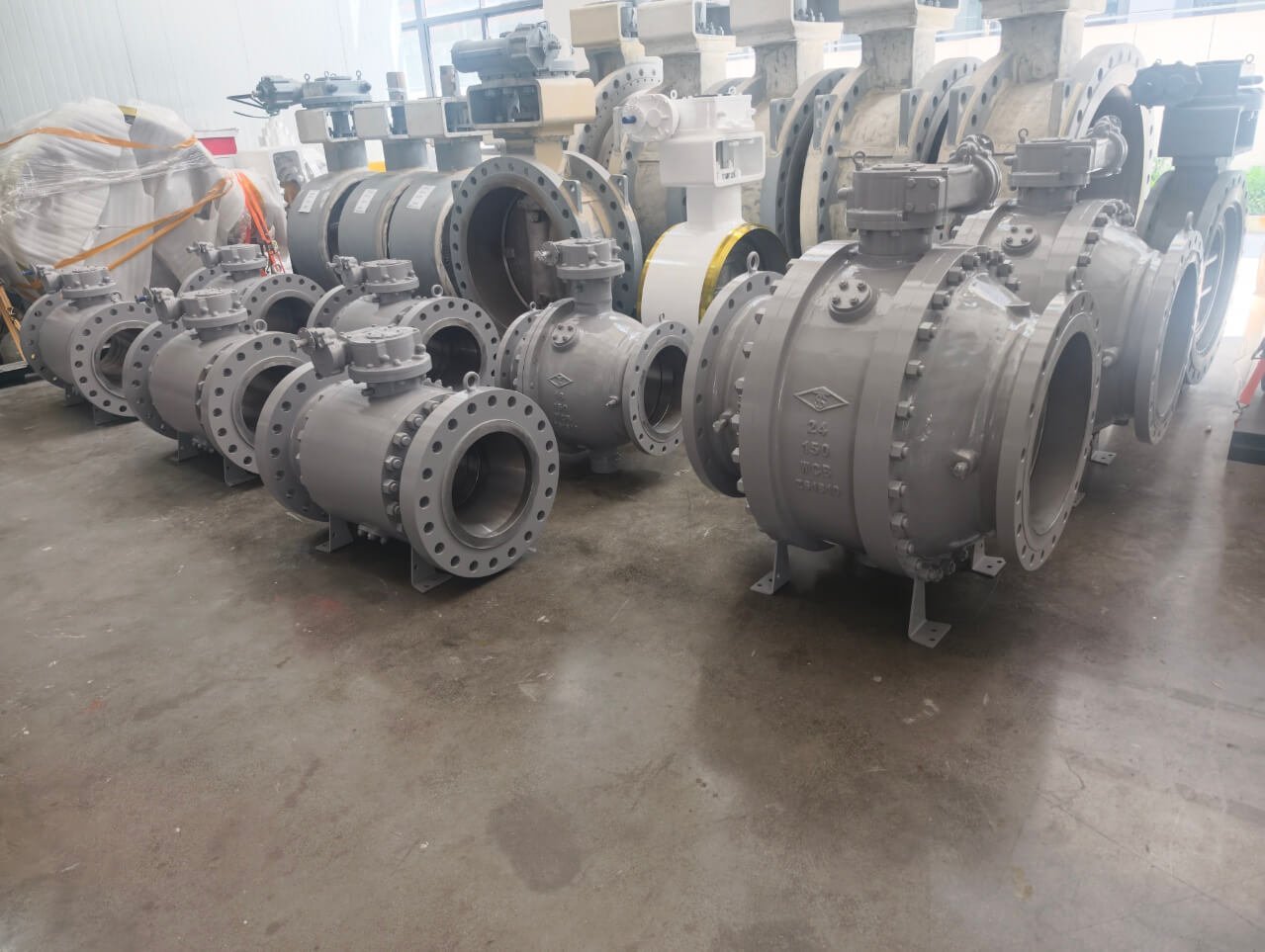
From the works and the projects
Questions this page answers
It depends on the design temperature. As temperature rises past the point where carbon steel loses usable strength, the alloy grades take over. The design temperature, not the normal operating figure, decides.
Often, depending on the grade, the section thickness and the joint. That is a manufacturing planning matter, so the grade should be stated on the enquiry rather than inferred.
It carries more alloy and holds strength at higher temperature. The choice follows the design temperature rather than being a general preference.