
Pneumatic vs Electric Valve Actuator
Pneumatics buy speed and a predictable failure position. Electric buys simplicity of supply and precise positioning. The choice is usually about what happens when power is lost.
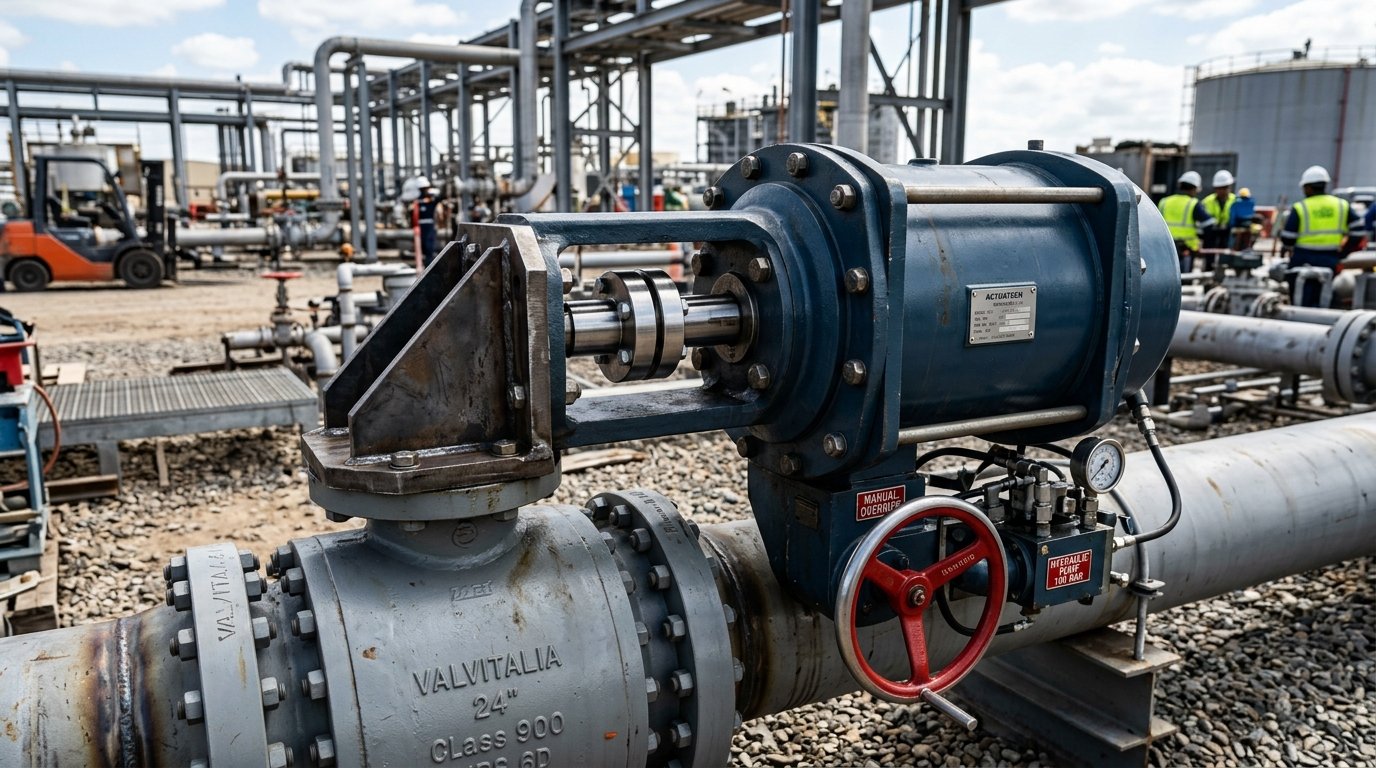
Pneumatic vs Electric Valve Actuator
Both methods turn the valve. They differ in what they need to work, how fast they respond, and what the valve does when the supply disappears.
That last point is usually the deciding one. A spring-return pneumatic actuator has a defined failure position with no external power at all; an electric actuator needs stored energy to do the same thing.
Pneumatic against Electric
| Aspect | Pneumatic | Electric |
|---|---|---|
| Supply | Compressed air, usually already available on plant | Electrical power, with a cable and a starter |
| Response speed | Fast; a quarter-turn valve in seconds | Slower; travel time is normally specified in seconds or minutes |
| Failure position | Spring return gives a defined fail-open or fail-closed | Needs a battery or a capacitor pack to move on power loss |
| Positioning accuracy | Good with a positioner, less precise than electric | High; the actuator can be a full positioning device |
| Explosive atmosphere | Air does not ignite; the solenoid and switches still need ATEX | Requires an ATEX-rated motor and enclosure |
| Maintenance | Seals, springs, filter-regulator | Motor, gears, controls |
| Typical duty | Safety-related, fast-acting, on/off and modulating | Remote sites, precise modulation, no air available |
Failure position comes first
Decide what the valve must do when supply is lost, and the actuator family usually picks itself. Spring-return pneumatic is the established answer wherever the valve has to go to a safe position without help.
An electric actuator can fail open, closed or stay-put, but moving on power loss needs stored energy. That is a legitimate design, and it should be an explicit decision rather than an assumption.
Torque, again
Both families are sized from the valve torque, and the figures that matter are the break-to-open torque and the running torque at the worst point in the stroke, with a safety factor on top.
On butterfly and plug valves the peak is often not at the closed position, so a quotation built from the closed-position figure alone will produce an actuator that stalls. Ask for the torque at the point the valve is expected to work hardest.
Infrastructure and cost
Where plant air already exists, pneumatics are usually cheaper to install and easy to service. Where it does not, adding a compressor and a dryer to serve one valve is rarely sensible.
Electric actuation needs a power feed and, in a hazardous area, an appropriately rated motor and enclosure. The accessories differ too: solenoids, positioners, limit switches and air filter regulators on the pneumatic side; controls and feedback on the electric side.
Which one to choose
- Choose pneumatic. Anywhere the valve must go to a safe position on supply failure, wherever fast operation is needed, and where plant air is available.
- Choose electric. Remote sites without air, duties needing precise positioning, and installations where an air supply and dryer are not worth providing for one valve.
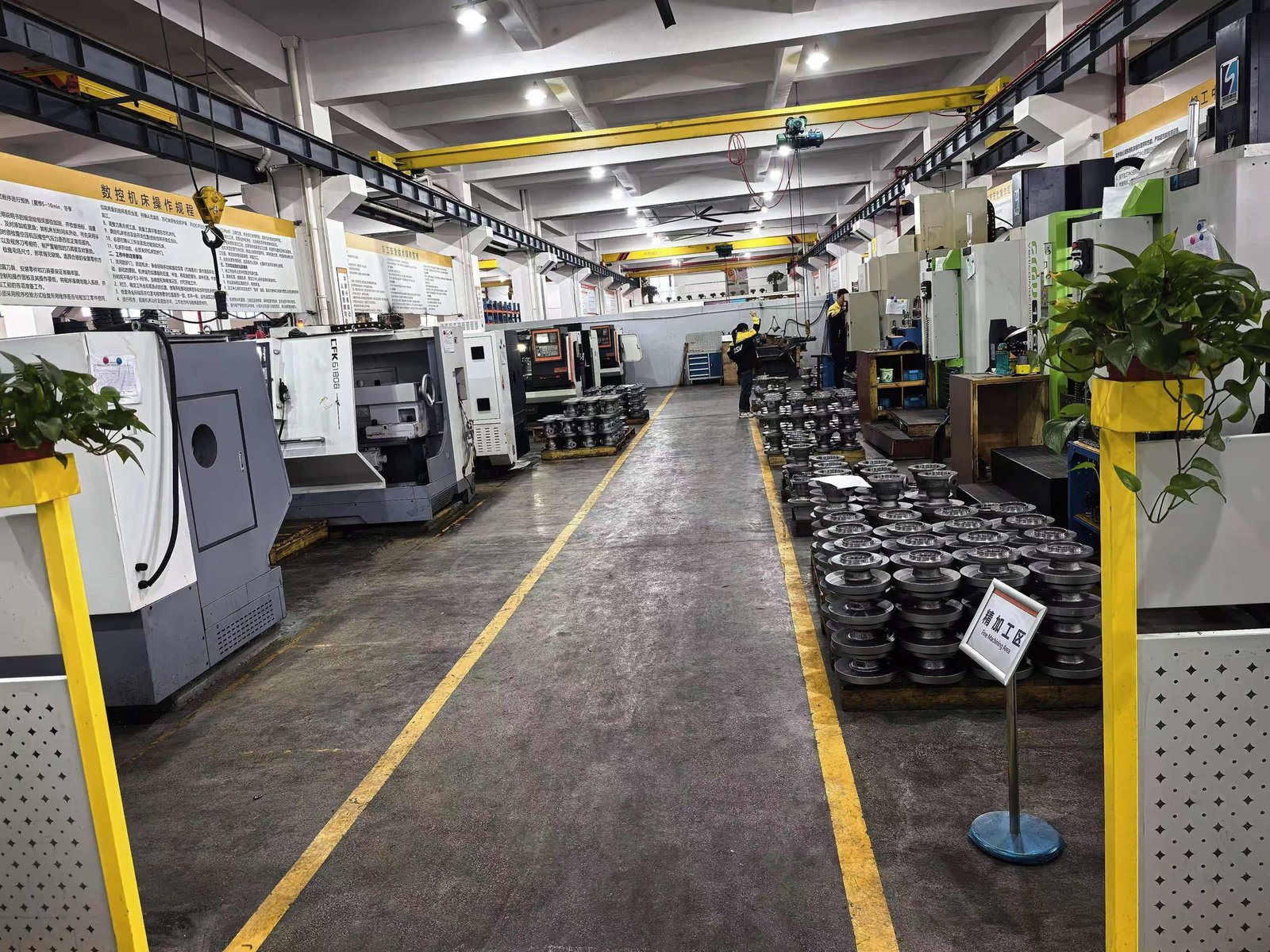
From the works and the projects
Questions this page answers
Yes, but moving the valve on power loss requires stored energy such as a battery or capacitor pack. It is a design decision that has to be specified, not an inherent property.
Pneumatic, normally by a wide margin on quarter-turn valves. Electric travel times are usually measured in seconds or longer, and safety-related duties rarely rely on them.
Break-to-open and running torque at the worst point in the stroke, with a safety factor. The closed-position figure alone is not sufficient on butterfly and plug valves.