
Y-Type vs Basket vs T-Type vs Temporary Strainer
A strainer is a consumable in a housing. The geometry decides how long it lasts between cleans, not just how much it costs.
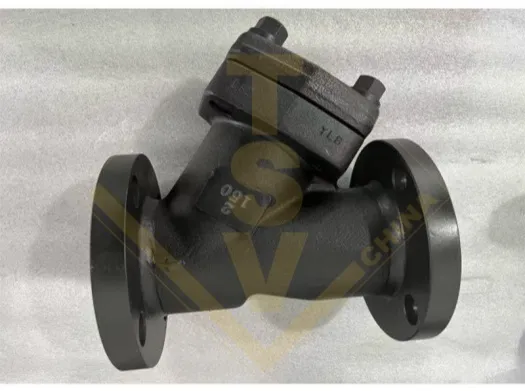
Y-Type vs Basket vs T-Type vs Temporary Strainer
All strainers protect equipment downstream by catching debris on a screen. They differ in how much debris the housing can hold, and therefore in how often somebody has to go and clean it.
That is the whole commercial argument. A small strainer that has to be cleaned weekly costs far more in labour over a plant life than a larger one that is cleaned annually, even when the purchase price gap is wide.
Y type / T type against Basket type
| Aspect | Y type / T type | Basket type |
|---|---|---|
| Screen area | Limited, sized to the pipe bore | Several times the pipe area |
| Debris capacity | Low; blinds quickly on dirty service | High; the volume is the point of the design |
| Cleaning | Screen or plug removed from the branch | Basket lifted out of the body |
| Pressure drop | Low when clean, rises fast as it loads | Higher baseline, but it takes far longer to load |
| Space needed | Compact, fits a normal pipe run | Needs a larger body and usually a basket-lifting height |
| Typical use | Steam, small lines, clean-ish service | Utility water, cooling water, high-debris lines |
| Commissioning | Usually a temporary cone or plate is used instead | Often the permanent strainer, cleaned repeatedly during flush |
Debris capacity is the deciding figure
A strainer's useful life between cleans is proportional to the volume of debris it can hold before the pressure drop rises. That volume is mainly a function of screen area, which is why a basket strainer holds several times what a Y strainer of the same bore can.
On a dirty utility water line, a Y strainer that blinds within days is not a cheap solution, it is a recurring maintenance task with a low purchase price.
Cleaning access decides the maintenance cost
A Y strainer is cleaned through its branch, which is quick on small sizes and less so as the bore grows. A basket strainer is cleaned by opening the body and lifting the basket, which is straightforward but needs space above the valve.
Where the strainer sits in a congested area, the clearance for basket removal has to be designed in. Discovering at commissioning that the basket cannot be lifted out is a common and avoidable surprise.
Temporary strainers and commissioning
A temporary cone or plate strainer is fitted for the flush and then removed. It is not a permanent item and it should not be left in the line, because the screen is deliberately coarse and it blocks quickly by design.
The usual sequence is to flush on a temporary strainer, remove it, and start service on the permanent strainer. If the permanent strainer is fitted before the flush, it will be loaded with construction debris within hours.
Which one to choose
- Choose Y or T type. Steam and small lines, clean or lightly contaminated service, and anywhere the space will not accept a larger body.
- Choose basket. Utility and cooling water, high-debris lines, and any duty where the cleaning interval matters more than the purchase price.
- Choose temporary. Commissioning flush only. Remove it before the plant goes into service.
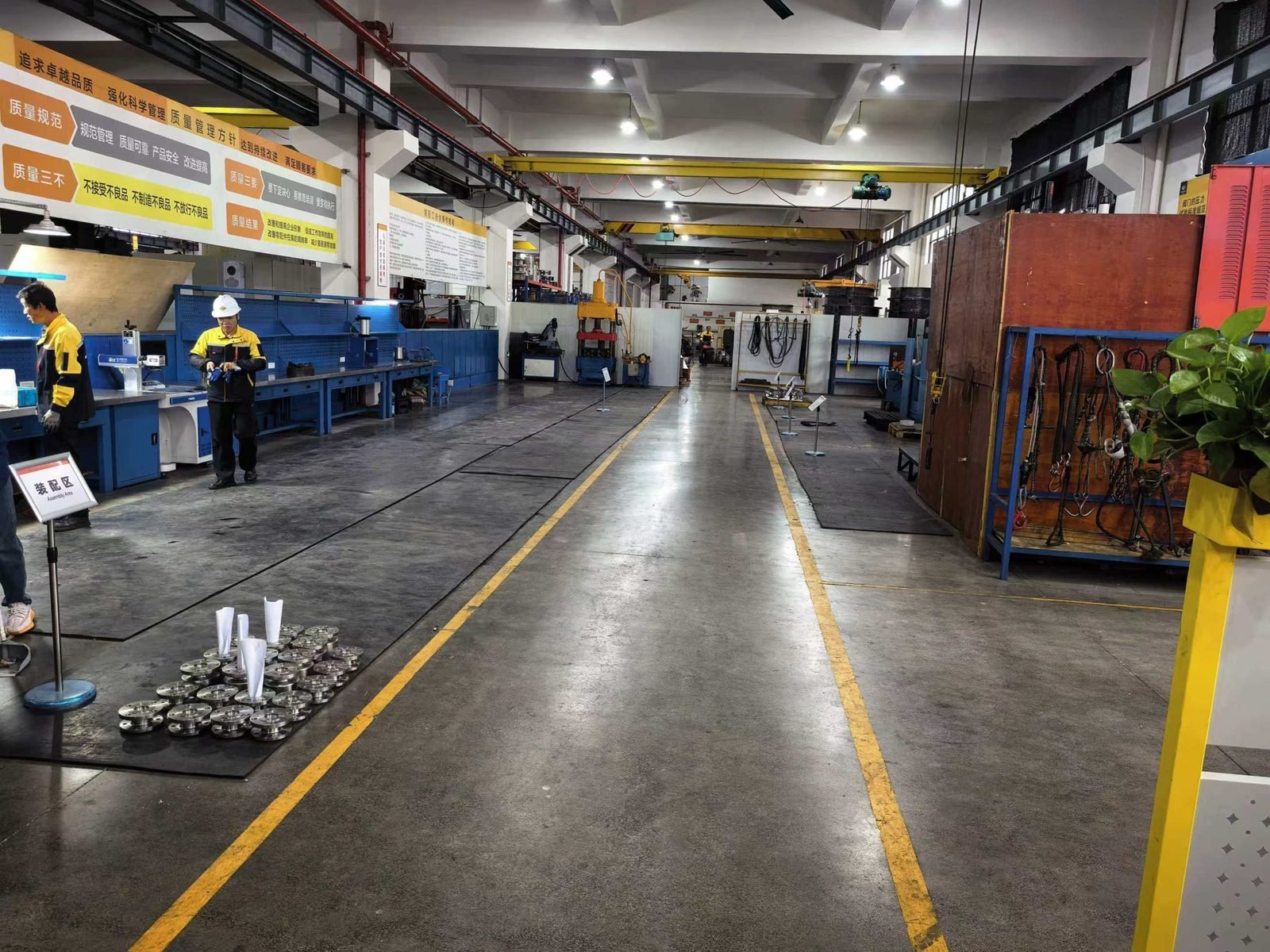
From the works and the projects
Questions this page answers
There is no fixed interval. It is set by the measured pressure drop across the screen, so a differential gauge or a pair of pressure tappings is the practical way to manage it.
No. It is a commissioning item with a deliberately coarse and quickly blinding screen. Leaving it in place risks starving the equipment it was meant to protect.
It has a higher baseline pressure drop than a Y strainer, but it takes far longer to load, so on dirty service the average drop over a maintenance cycle is often lower.