
Gate vs Globe vs Ball Valve for Isolation
Three valve types, three different ideas about how to stop a flow. Choosing the wrong one is usually discovered during operation, not during purchase.
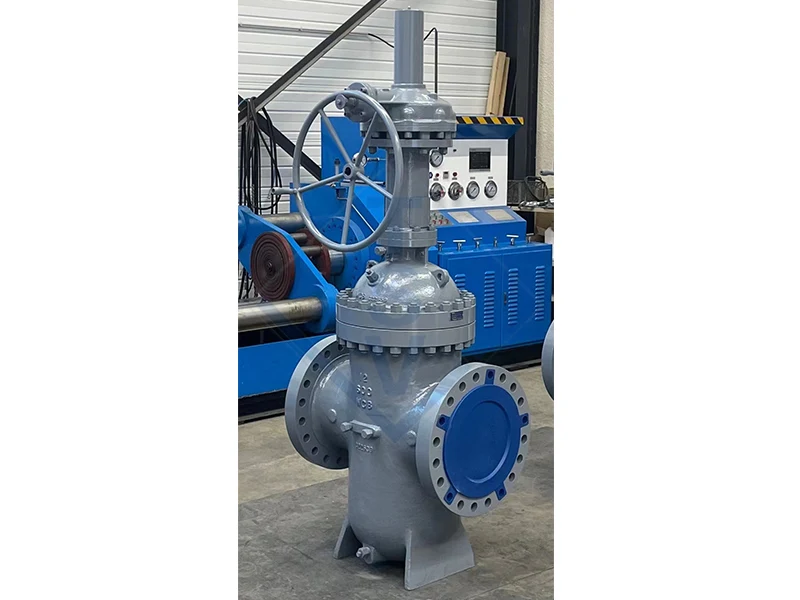
Gate vs Globe vs Ball Valve for Isolation
A gate valve slides a disc across the flow, a globe valve lifts a plug off a seat, and a ball valve turns a drilled sphere. Those three mechanisms behave completely differently once the valve is partly open.
Isolation duty sounds like a single requirement, but it hides two questions: how tight it has to be, and whether it will ever be used for anything other than fully open or fully shut.
Gate against Globe
| Aspect | Gate | Globe |
|---|---|---|
| Movement | Linear, multi-turn | Linear, multi-turn |
| Best duty | Full-open isolation | Throttling and regulation |
| Pressure drop when open | Very low, straight-through bore | High, the flow turns twice through the body |
| Throttling behaviour | Poor; the disc chatters and seats wear | Designed for it; a characterised plug gives a usable curve |
| Sealing | Metal-to-metal, not intended as bubble-tight | Metal or soft, better than a gate when closed on regulation duty |
| Operating effort | Moderate; the disc is not loaded by line pressure | Higher; the plug is pushed against the flow |
| Size for size | Lighter for the same duty | Heavier for the same bore |
Why a gate valve hates being half open
A gate disc that is part open sits in the flow with nothing to steady it, and the turbulence makes it vibrate against the seat. On a line where a gate valve is regularly used to trim flow, the seat and the disc are usually the parts that fail first.
The valve is not defective. It was asked to do a job its geometry does not support. Where flow trimming is the actual requirement, a globe or control valve is the correct specification.
Ball valves and the quarter-turn advantage
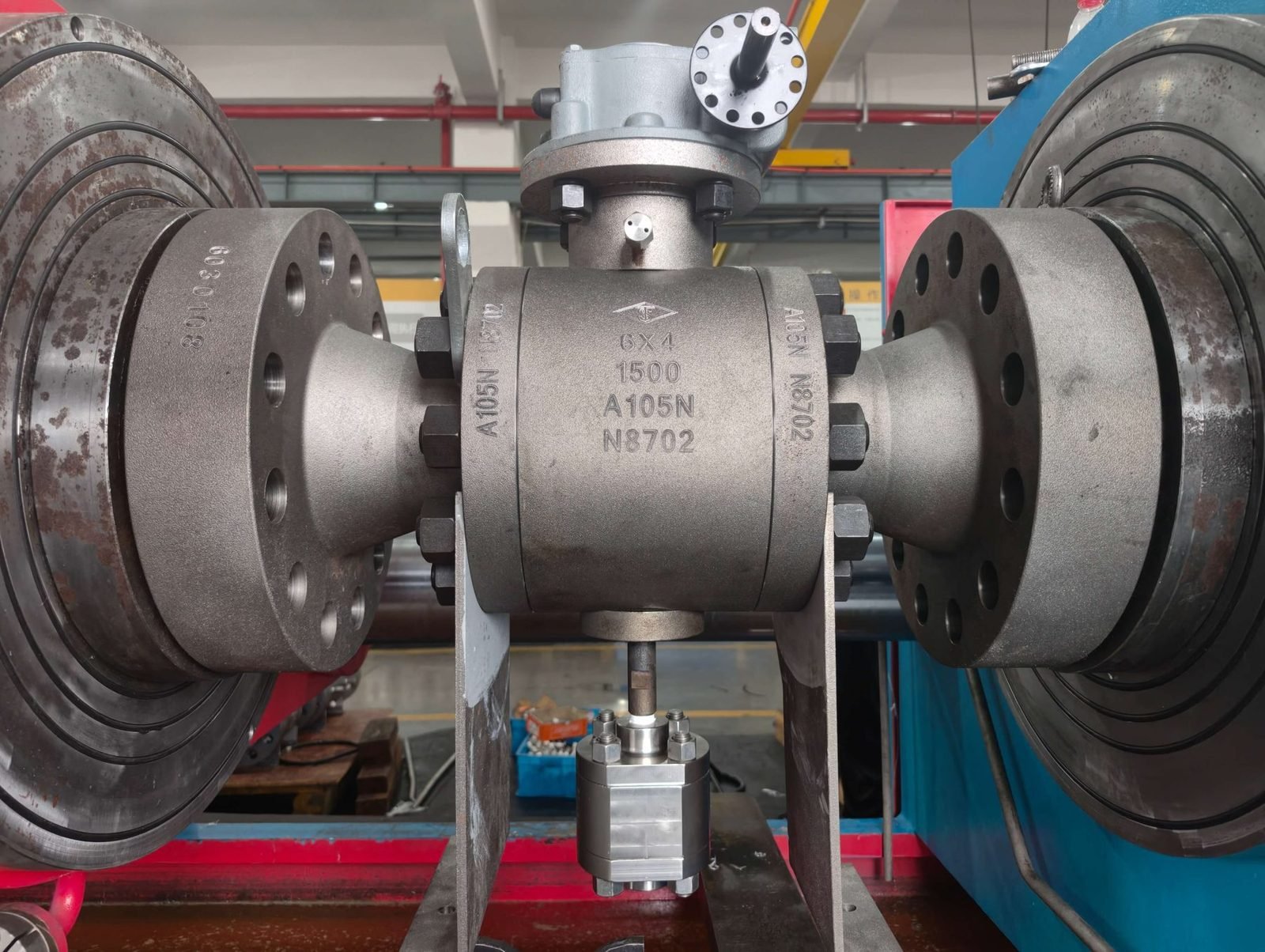
A ball valve reaches full open in a quarter turn, seals on a lapped or polymer seat, and needs no multi-turn effort. On lines that are operated frequently, that is a large practical advantage over a gate valve that needs two dozen turns of a handwheel.
The trade is that a ball valve has a cavity that can trap product, and it is less suited to throttling than a globe valve. On clean service where operation is frequent, the ball valve is normally the better isolation choice.
Tight shut-off and what it means
Gate valves are generally not specified as bubble-tight on metal seats; a small measured leakage is accepted in the standard. Where genuine tight shut-off is required, a soft-seated ball valve or a globe valve with a suitable seat is the right specification.
Where the requirement is tight shut-off and throttling on the same valve, the answer is normally a globe or a control valve with a characterised trim, not a gate valve with a soft seat fitted to make it seal.
Which one to choose
- Choose gate. Full-open or full-closed isolation on large lines where pressure drop matters and the valve is rarely operated.
- Choose globe. Flow regulation, throttling, and duties where a defined flow characteristic is needed and pressure drop is acceptable.
- Choose ball. Frequent operation, tight shut-off on clean service, and any duty where a quarter turn is worth more than a straight-through bore.
From the works and the projects
Questions this page answers
It can be moved to a part-open position, but the disc is unsteady and the seat wears quickly. Where trimming is the real duty, a globe or control valve is the correct specification.
A soft-seated ball valve or a globe valve with an appropriate seat. Gate valves are generally specified with an accepted measured leakage on metal seats.
Because the flow is turned through the body twice to pass the plug and seat. That geometry is what gives it usable throttling behaviour, so the pressure drop is the price of the control.