
Actuator Stalls or Fails to Move the Valve
An actuator that will not move the valve is either not strong enough, not supplied properly, or being told the wrong thing.
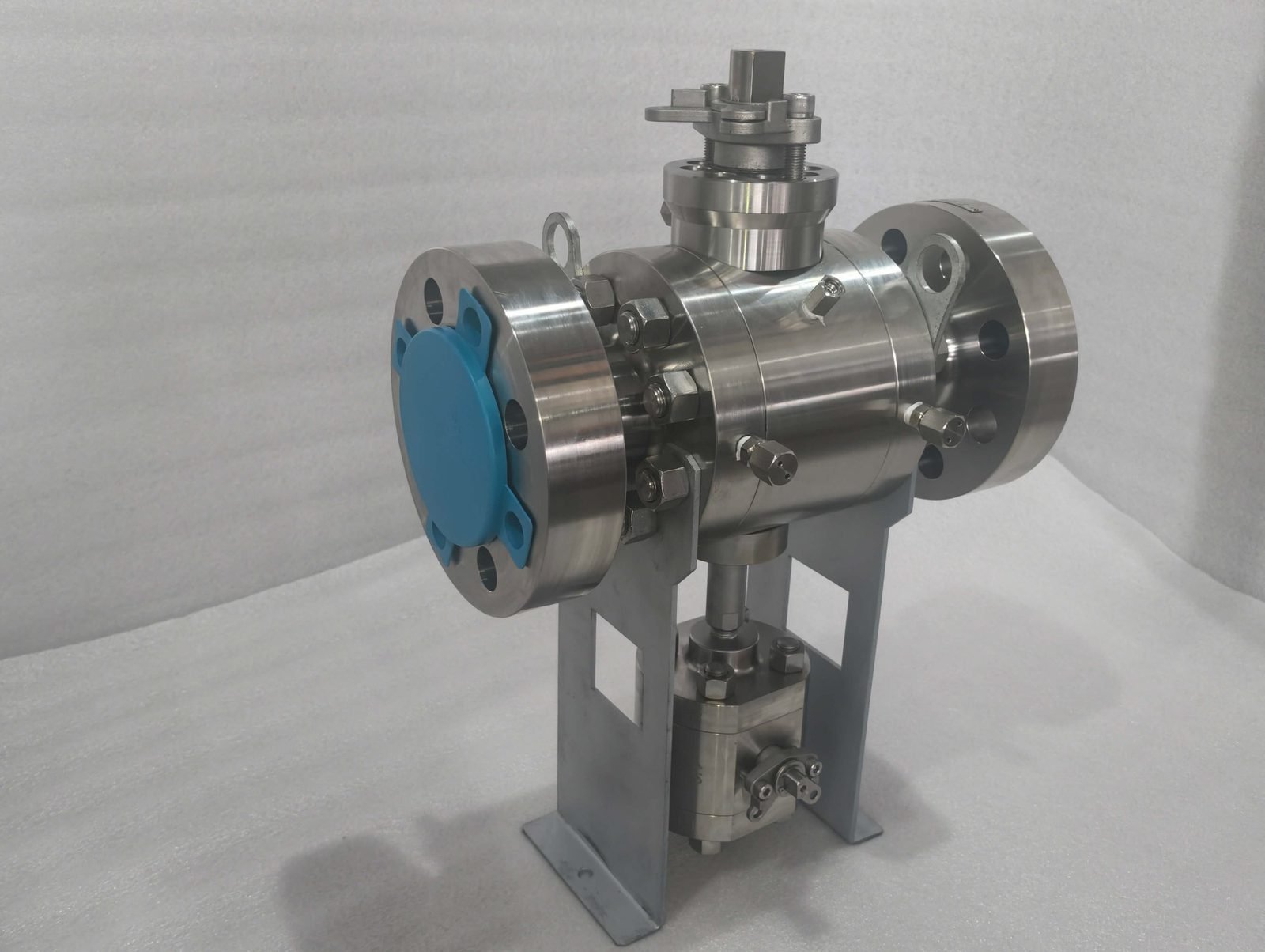
Actuator Stalls or Fails to Move the Valve
An actuator that will not move the valve is either not strong enough, not supplied properly, or being told the wrong thing.
What it looks like on site
The valve moves part of the way, moves slowly, or does not move at all when commanded.
The causes, in order of likelihood
- Torque undersized for the duty. The actuator was sized from the closed-position torque rather than the peak torque in the stroke.
- Insufficient air supply. Pressure or flow is below the actuator's requirement, often because of an undersized line or a shared supply sagging under load.
- Signal or positioner fault. The command is not reaching the actuator, or the positioner is not calibrated.
- Valve or line problem. A jammed valve, a thermal bind or debris on the seat presents as an actuator fault.
- Mechanical damage. A bent stem or a broken coupling prevents movement regardless of the actuator.
Prove where the fault is
Disconnect the actuator from the valve where the design allows and operate it free. An actuator that strokes freely on its own points at the valve; one that still stalls points at the actuator or its supply.
Where disconnection is not possible, measure the supply pressure at the actuator port while it is trying to move. Static pressure at a gauge upstream of a long or undersized line tells you very little about the pressure available at the port under load.
Torque figure is usually the answer
On butterfly and plug valves the torque peak frequently does not occur at the closed position, and on floating ball valves the torque grows with the differential pressure the valve is holding.
An actuator sized from the wrong point in the stroke will stall at the point it was not sized for. The fix is either a larger actuator or a change to the valve configuration, and the decision should be made from the torque curve rather than from a comparison with the previous installation.
Signal and setting
A positioner that was calibrated on the bench and never re-calibrated after installation can produce a stall that looks mechanical. Confirm the command signal at the actuator and the positioner's response to it.
Where the valve is a safety function, the failure mode matters as much as the stall. An actuator that is undersized and spring-returned may fail to reach its safe position with the same underlying cause.
Diagnosing A Stall
| Item | Detail | Note |
|---|---|---|
| Stalls at the same point every time | Torque peak in the stroke | Size from the torque curve at that point |
| Moves slowly throughout | Air supply or signal issue | Measure at the port under load |
| Moves alone but not the valve | Valve jam or thermal bind | Check the valve before the actuator |
| Fails only in one direction | Spring or supply asymmetry | Check the return path and supply separately |
| Worked until recently | Line condition, debris or a mechanical fault | Do not re-size; investigate the change |
The checks, in order
Measure supply pressure at the actuator port
Under load, not static at a remote gauge.
Check the command signal at the actuator
Confirm it arrives and matches the command.
Operate the actuator free if possible
Separates the actuator from the valve.
Compare against the valve torque curve
Identify where in the stroke the stall occurs.
Review the failure mode
For a safety function, confirm the spring return reaches its position.
From the works and the projects
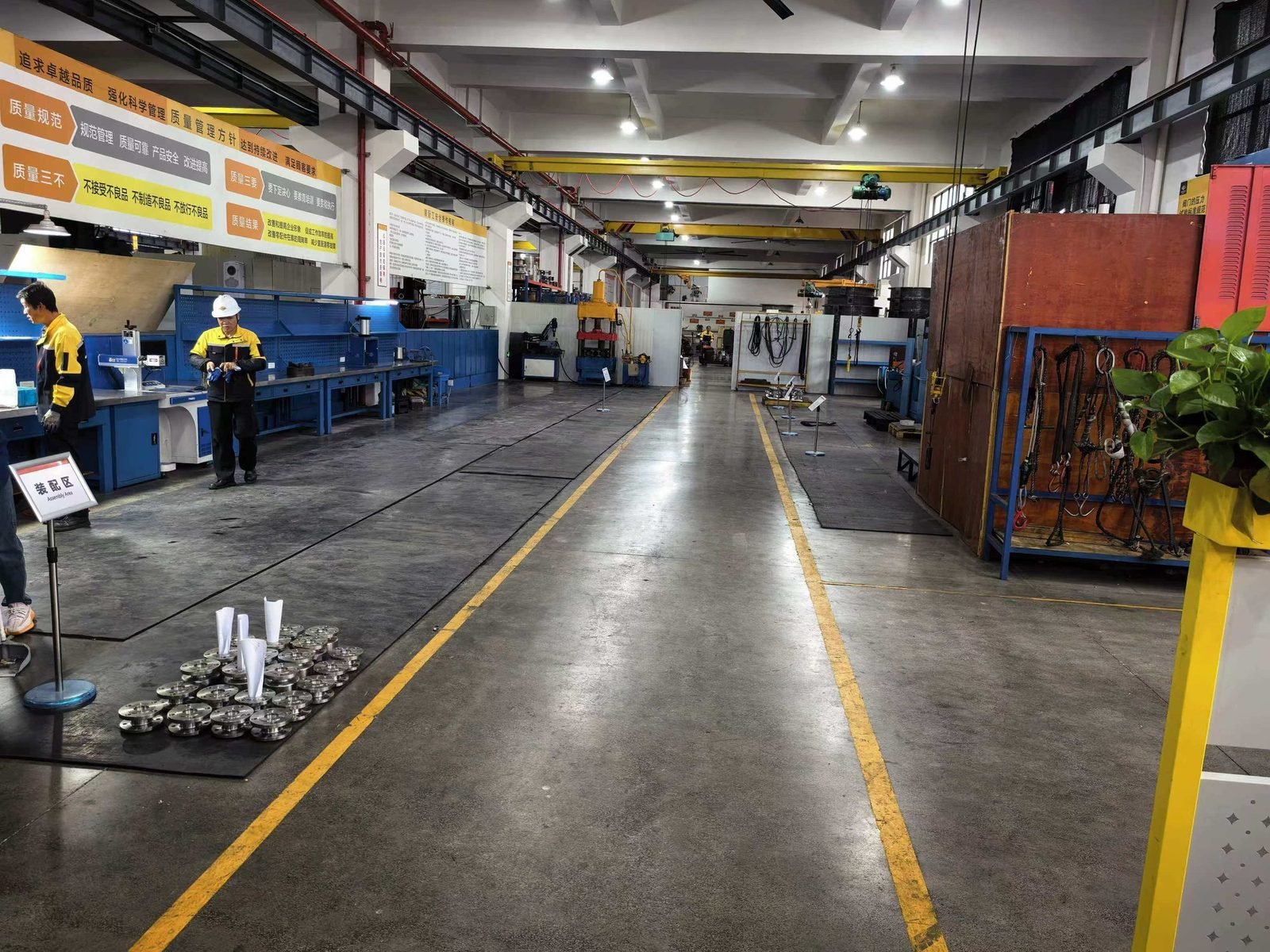
Questions this page answers
Because the torque peak on a butterfly valve often occurs away from the closed position. The actuator has to be sized for the worst point in the stroke, not for the closed condition.
Yes. An undersized or long supply line can sag under load so that the pressure at the port is far below the pressure shown upstream. Measure at the port.
Only after confirming the shortfall is torque and not supply, signal or a valve fault. Changing the actuator on a supply problem is an expensive way to leave the fault in place.