
Strainer Pressure Drop Rising
A strainer is designed to load. What matters is how quickly, and whether it is packing up faster than the maintenance interval can cope with.
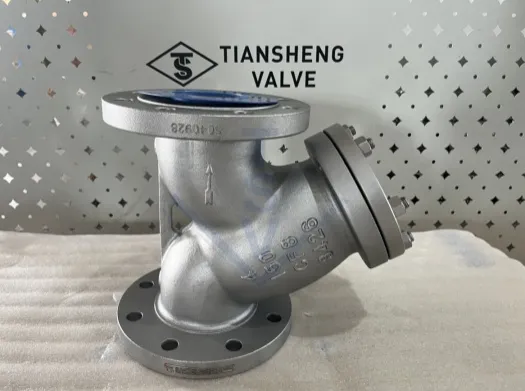
Strainer Pressure Drop Rising
A strainer is designed to load. What matters is how quickly, and whether it is packing up faster than the maintenance interval can cope with.
What it looks like on site
The differential across the strainer climbs steadily, the pump suction pressure falls, or the strainer has to be cleaned far more often than planned.
The causes, in order of likelihood
- Strainer undersized for the debris load. The screen area is too small, so the same amount of debris produces a larger pressure drop.
- Screen mesh too fine. A finer screen catches more and blinds faster than the service needs.
- Construction debris. Commissioning debris still working its way through the line after a shutdown or modification.
- Temporary strainer left in service. A cone or plate strainer intended for the flush is still in the line.
- Screen damaged or collapsed. A torn screen lets debris through and often shows as a differential that drops rather than rises.
Measure, do not estimate
The cleaning interval should be set from a measured differential, not from a calendar. A pair of pressure tappings and a differential gauge turn the decision from a guess into a reading.
That also gives an early warning: a differential that reaches the alarm point in half the usual time is telling you that something upstream has changed, whether that is debris from a repair or a change in the process.
Screen selection is a balance
A finer screen protects a closer clearance and blinds sooner. The right mesh is the coarsest one that still protects the equipment downstream, which is a question about the equipment rather than about the strainer.
Where the maintenance interval is being driven by the screen rather than by the debris load, changing to a coarser screen or a larger body may be the cheaper answer than adding another strainer.
When the differential falls
A differential that drops suddenly usually means the screen has failed, not that the line has cleaned up. A torn or collapsed screen passes debris straight through to the equipment the strainer was protecting, and the next failure may be a pump or a control valve.
That is worth investigating immediately rather than recording as an improvement.
Differential By Pattern
| Item | Detail | Note |
|---|---|---|
| Rises gradually over weeks | Normal loading | Clean on the measured interval |
| Rises quickly after a repair | Construction debris | Clean, and review the flush procedure |
| Reaches alarm in half the usual time | Something upstream has changed | Investigate the source, not just the strainer |
| Falls suddenly | Screen failure | Inspect and replace the screen immediately |
| High from day one | Undersized strainer or too fine a screen | Review size and mesh against the duty |
The checks, in order
Install differential measurement
Pressure tappings either side, with a gauge or transmitter.
Record the reading when clean
The baseline is what makes the trend meaningful.
Compare against the trend
Rate of rise is the signal; the absolute figure is not.
Inspect the screen when cleaning
Look for tears, collapse and embedded debris.
Review the mesh against the protected equipment
Coarsest screen that still protects is the correct one.
From the works and the projects
Questions this page answers
On measured differential rather than on a calendar, because the loading rate depends on the line. A baseline reading when clean makes the trend interpretable.
Usually a failed screen. It passes debris through to whatever the strainer was protecting, so it should be investigated immediately.
Only as fine as the equipment actually requires. A finer screen blinds faster and increases both the pressure drop and the maintenance burden.