
Duplex and Super Duplex Valve Bodies
Duplex grades exist for the service where austenitic stainless cracks and carbon steel corrodes away. They are strong, chloride-resistant, and demanding to weld.
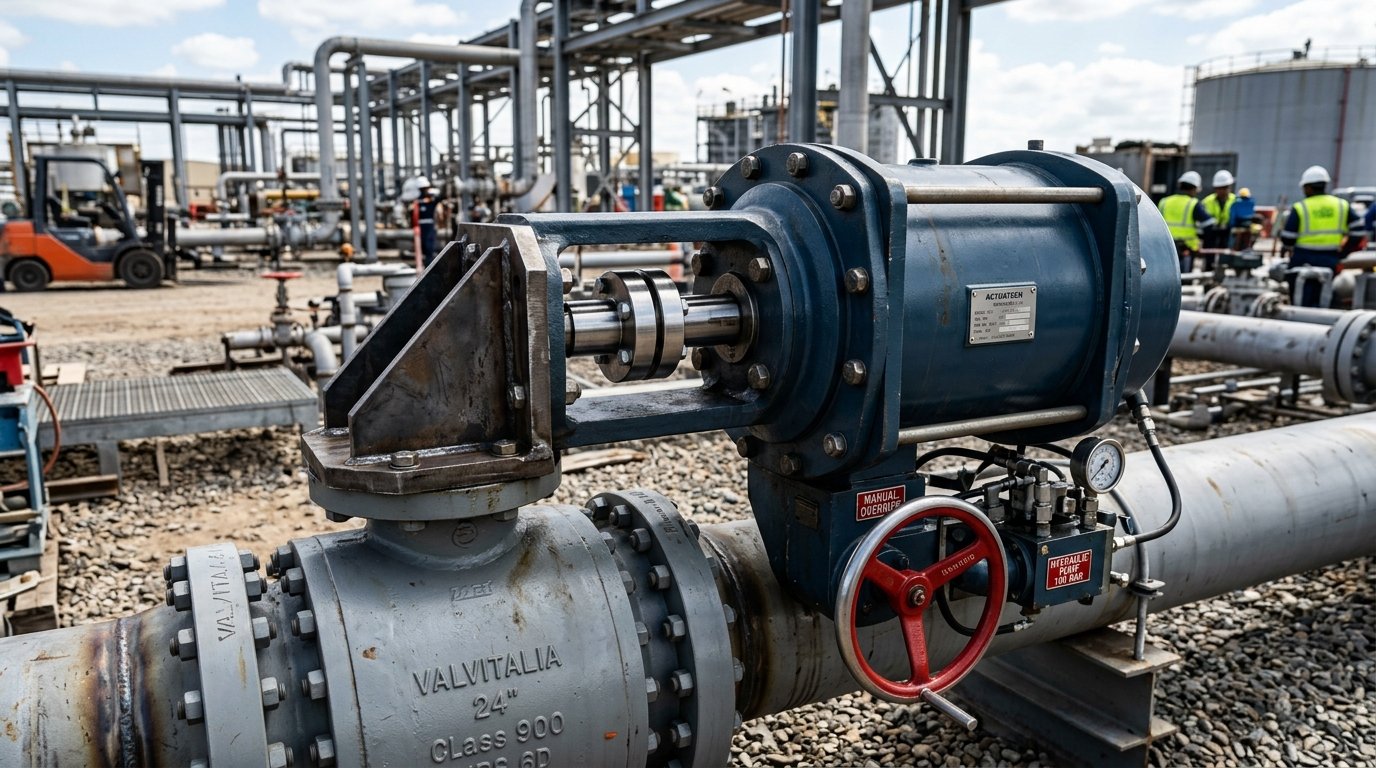
Duplex and Super Duplex Valve Bodies
Duplex stainless steels have a two-phase microstructure that gives them roughly twice the yield strength of the austenitic grades along with much better resistance to chloride stress corrosion cracking. Super duplex extends those properties further.
That combination is why they appear on seawater service, desalination, offshore and aggressive chemical duty, where neither carbon steel nor an austenitic grade will survive.
The property combination that matters
Chloride stress corrosion cracking is the failure mode that takes austenitic stainless valves out of seawater service, often without much warning. Duplex grades resist it, and that is the single most common reason for the specification.
The higher strength is the second benefit. A duplex body can sometimes be more compact than a carbon steel equivalent, which matters offshore where weight is a real cost.
Welding discipline is not optional
Duplex grades are sensitive to the balance between the two phases, and that balance is affected by heat input and cooling rate during welding. A careless weld can leave a joint that is neither strong nor corrosion resistant.
The practical consequence for a buyer is to confirm that the manufacturer has a qualified welding procedure for the grade, and to ask for the documentation. A duplex body is not simply a stainless body in a different colour.
When it is worth the money
Where the alternatives are a shorter valve life or a corrosion allowance so large that the body becomes uneconomic, duplex is the cheap option. Where a 316-family casting would last the plant's life, it is an unnecessary premium.
The decision inputs are the chloride content, the temperature and the oxygen level in the medium, because those three drive the cracking risk. Send them with the enquiry and the grade can be justified in writing rather than by preference.
Where Duplex Earns Its Place
| Item | Detail | Note |
|---|---|---|
| Seawater and brackish water | Chloride stress corrosion cracking risk | The classic duplex application |
| Desalination | Chlorides with elevated temperature | Austenitic grades are vulnerable |
| Offshore and marine | Chlorides, plus a weight premium | Strength and corrosion together |
| Aggressive chemical | Mixed acids and chlorides | Grade selected against the chemistry |
| Not justified when | A 316-family casting would last the plant life | Pay for the service, not for the specification |
From the works and the projects
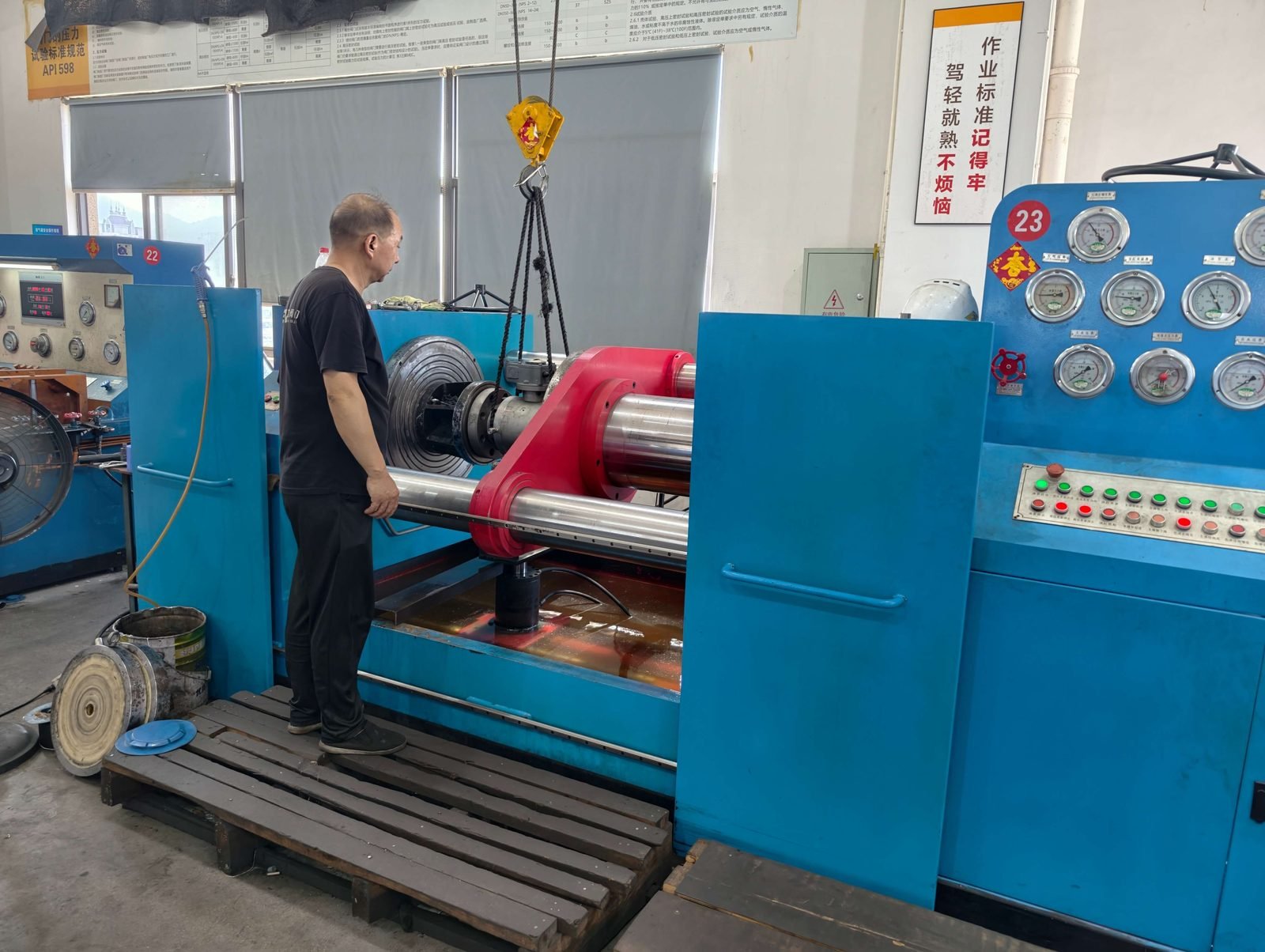
Questions this page answers
Because austenitic stainless grades are vulnerable to chloride stress corrosion cracking in seawater, and duplex grades resist it while also being stronger.
Yes. The two-phase balance depends on heat input and cooling, so qualified procedures and documentation matter more than with carbon or austenitic steels.
Chloride content, temperature, oxygen level and the medium itself. Those drive the cracking risk and therefore which of the duplex families is appropriate.