
Flanged vs Welded vs Threaded Valve Ends
The end connection is decided by the piping, not by the valve. It fixes the installation method, the removal method and, in practice, the maintenance strategy.
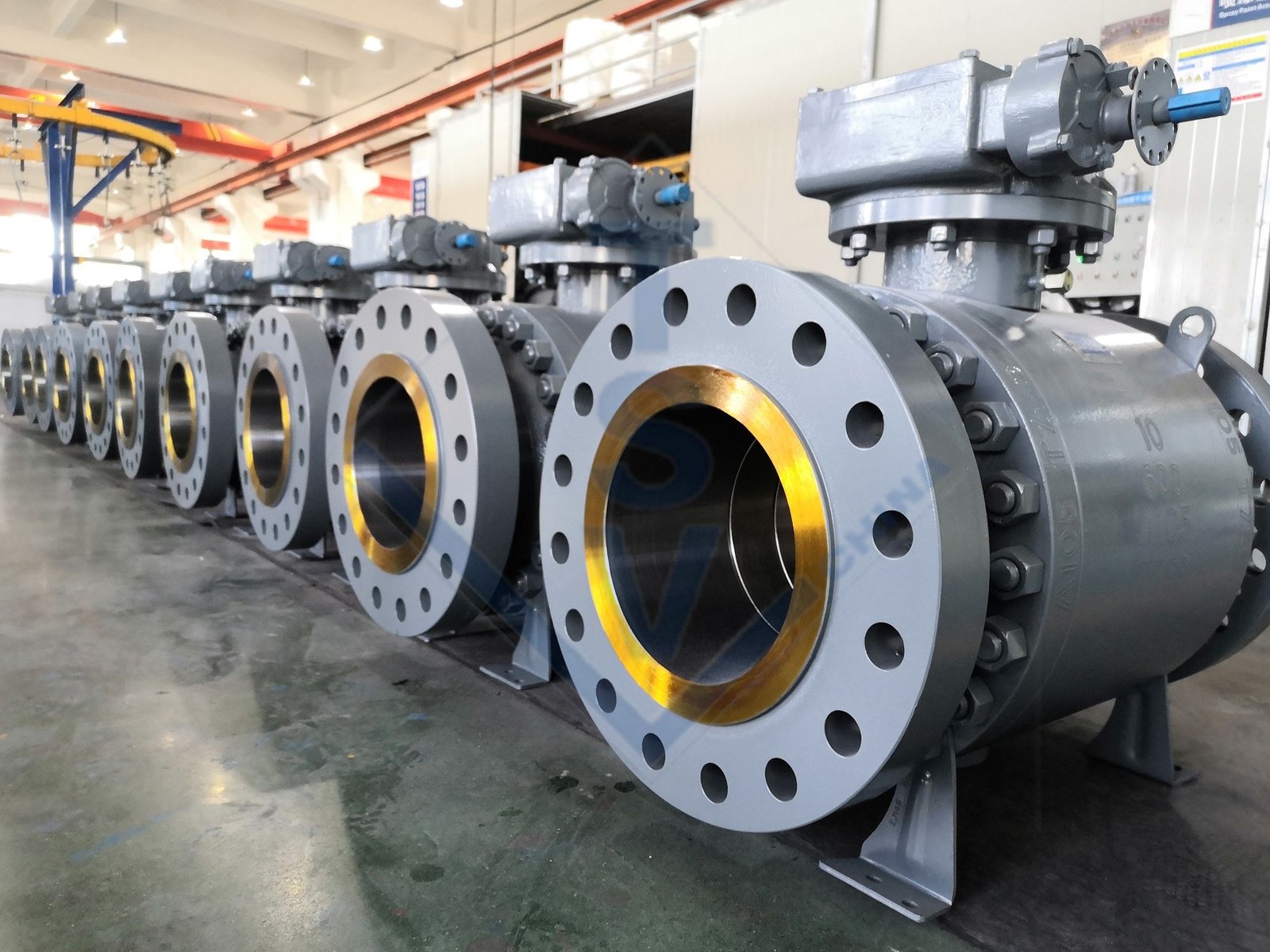
Flanged vs Welded vs Threaded Valve Ends
Every valve has to join the pipe somehow, and the joint determines what happens years later when the valve has to come out. A flanged valve unbolts; a welded valve has to be cut out.
The choice is therefore a maintenance decision disguised as a piping detail, and it belongs in the piping specification rather than being left to the valve supplier.
Flanged against Welded
| Aspect | Flanged | Welded |
|---|---|---|
| Installation | Bolt up to matching flanges | Butt weld or socket weld into the line |
| Removal | Unbolt; the valve can be exchanged | Cut out and re-weld, or use a spool |
| Joint integrity | Gasketed joint, the usual leak path on a hot line | Welded joint, no gasket to leak |
| Facings | RF, FF or RTJ, must match the mating flange | Not applicable |
| Weight and space | Flanges add weight and length | More compact |
| Fitness for high temperature | The bolted joint needs attention at temperature | Better suited to severe thermal duty |
| Suitable sizes | All sizes, the default above about 2 inches | Butt weld at all sizes, socket weld on small bore |
The gasketed joint is where leaks happen
On a hot line, the bolted flange joint is usually the first thing to weep, because the bolts, the gasket and the flanges expand at different rates. A welded joint removes that path entirely, which is why severe thermal duty often specifies weld ends.
The trade is that a welded valve cannot be exchanged quickly. Where the duty needs frequent maintenance, that is a serious disadvantage, and a flanged valve with a properly managed bolting procedure may be the better answer.
Small bore practice
Below about two inches, socket weld and threaded ends are common. Threaded joints avoid welding entirely and can be made up with a wrench, but the threads themselves are a leak path and a place for crevice corrosion.
Socket weld avoids the threaded leak path but cannot be radiographed, so the joint quality depends on welding procedure and inspection rather than on volumetric examination. Butt weld is preferred where the joint has to be radiographed.
Weld ends and the valve body
A weld-end valve has to be welded without damaging the body, the seat or the seat material inside it. That normally means a controlled heat input and, on lining or soft-seated valves, a caution about how much heat reaches the internals.
Where the valve is to be welded into the line, raise it at enquiry stage. A design that is straightforward to weld and one that will be damaged by the process are not obvious from a photograph.
Which one to choose
- Choose flanged. Most plant valves above small bore, wherever the valve may have to be exchanged, and where the joint temperature is manageable.
- Choose welded. Severe thermal duty, high-integrity joints, and lines where a gasketed joint is the likely leak path. Butt weld where radiography is required.
- Choose threaded or socket weld. Small bore instrument, drain and vent lines, where welding access is limited or the line is expected to be modified.
From the works and the projects
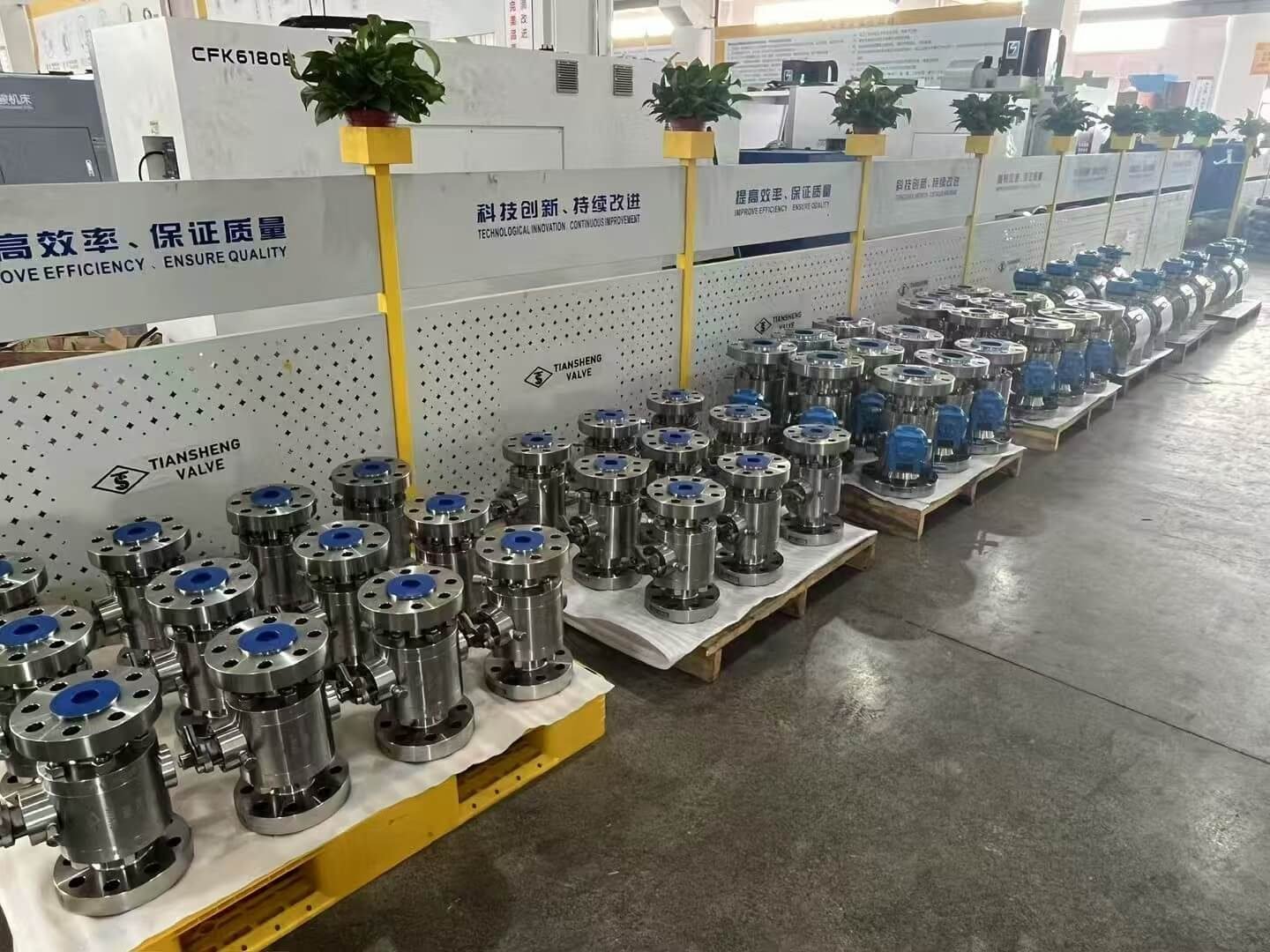
Questions this page answers
The flanged joint, because the gasket, bolts and flanges respond differently to temperature. That is why severe thermal duty often specifies welded ends.
Only by cutting it out. Where a valve may need frequent attention, that is a significant disadvantage, and the piping design should account for it.
Match the mating flange. Raised face is the working default, flat face where the mating flange or gasket requires it, and ring joint where the temperature and pressure rule out a soft gasket.