
Soft Seat vs Metal Seat, Ball and Butterfly Valve Sealing
The seat is the part that actually seals. Soft means a polymer, metal means metal-to-metal, and the choice is settled by temperature and by what is in the medium.
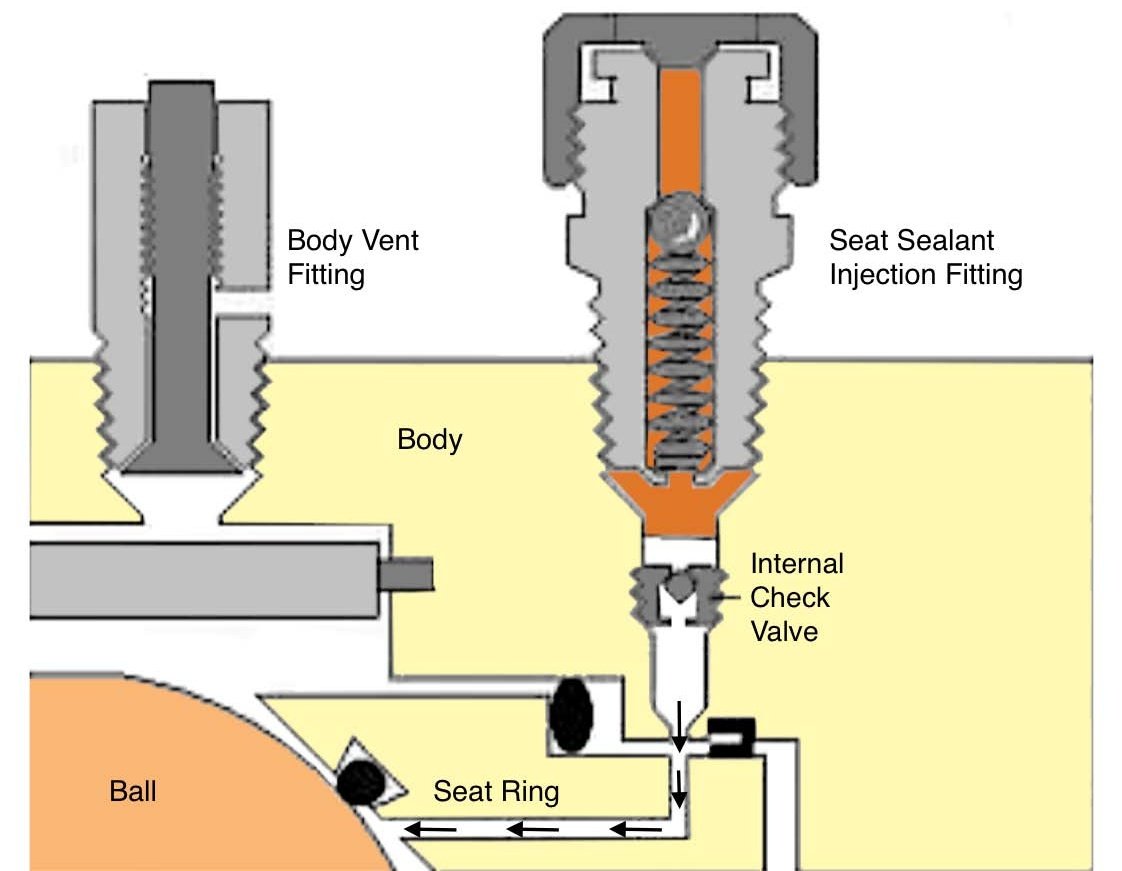
Soft Seat vs Metal Seat, Ball and Butterfly Valve Sealing
A soft seat works by deforming slightly into the metal it presses against, which is why it seals so well. A metal seat cannot deform in the same way, so it depends on geometry, lapping and surface finish instead, and it is judged to a measured leakage rather than to zero.
The trade is straightforward. The soft seat is tighter and cheaper within its temperature band; the metal seat survives conditions that would destroy a polymer and is the route to a fire-safe design.
Soft seat against Metal seat
| Aspect | Soft seat | Metal seat |
|---|---|---|
| Sealing mechanism | Polymer deforms against the metal | Metal contacts metal, lapped surfaces |
| Typical temperature band | Moderate; the polymer sets the ceiling | Wide, limited by the metals and the trim |
| Leak-tightness | Normally bubble-tight | Measured leakage to the test standard |
| Abrasive media | Scored by solids | Tolerates abrasion far better |
| Fire-safe route | Depends on a secondary metal seat | Inherent, and the usual basis of a fire-safe design |
| Cost | Lower | Higher: lapping, hard facing, tighter machining |
| Service life on clean media | Long | Long, but with no advantage to justify the cost |
Temperature decides first
The seal is the first thing to fail at temperature, so the design temperature should be settled before the seat is discussed. Because published temperature bands differ between PTFE, reinforced PTFE, PPL and the higher-performance polymers, the seat supplier's data sheet is the document that settles the question.
Our butterfly family, for example, is quoted across a very wide band from cryogenic service to 550 degrees Celsius, and it only reaches those extremes because the seat and the geometry change with the application. There is no single seat that covers it.
Abrasion decides second
Solids in the medium attack a polymer seat by cutting and embedding. On slurry, ore and ash duty the soft seat is often the component that ends the valve's life, and a metal-seated design with a hard-faced trim is the durable answer.
The counter-argument is tightness. A metal-seated valve will not be bubble-tight in the way a soft-seated one is, and if the process genuinely requires zero leakage the specification has to say so and the design has to be chosen accordingly.
Fire-safe is a design, not a seat
A fire-safe valve needs a secondary sealing path that works once the polymer has gone. That means a metal-to-metal backup seat or a graphite element, arranged at the drawing stage.
A soft-seated valve can be fire-safe, but only if the design deliberately includes that secondary seat. The presence of a polymer does not prevent it; the absence of a backup path does.
Which one to choose
- Choose soft seat. Clean media, moderate temperature, and a requirement for tight shut-off at the lowest sensible cost.
- Choose metal seat. High temperature, abrasive media, thermal cycling, or a fire-safe specification that demands a post-fire sealing path.
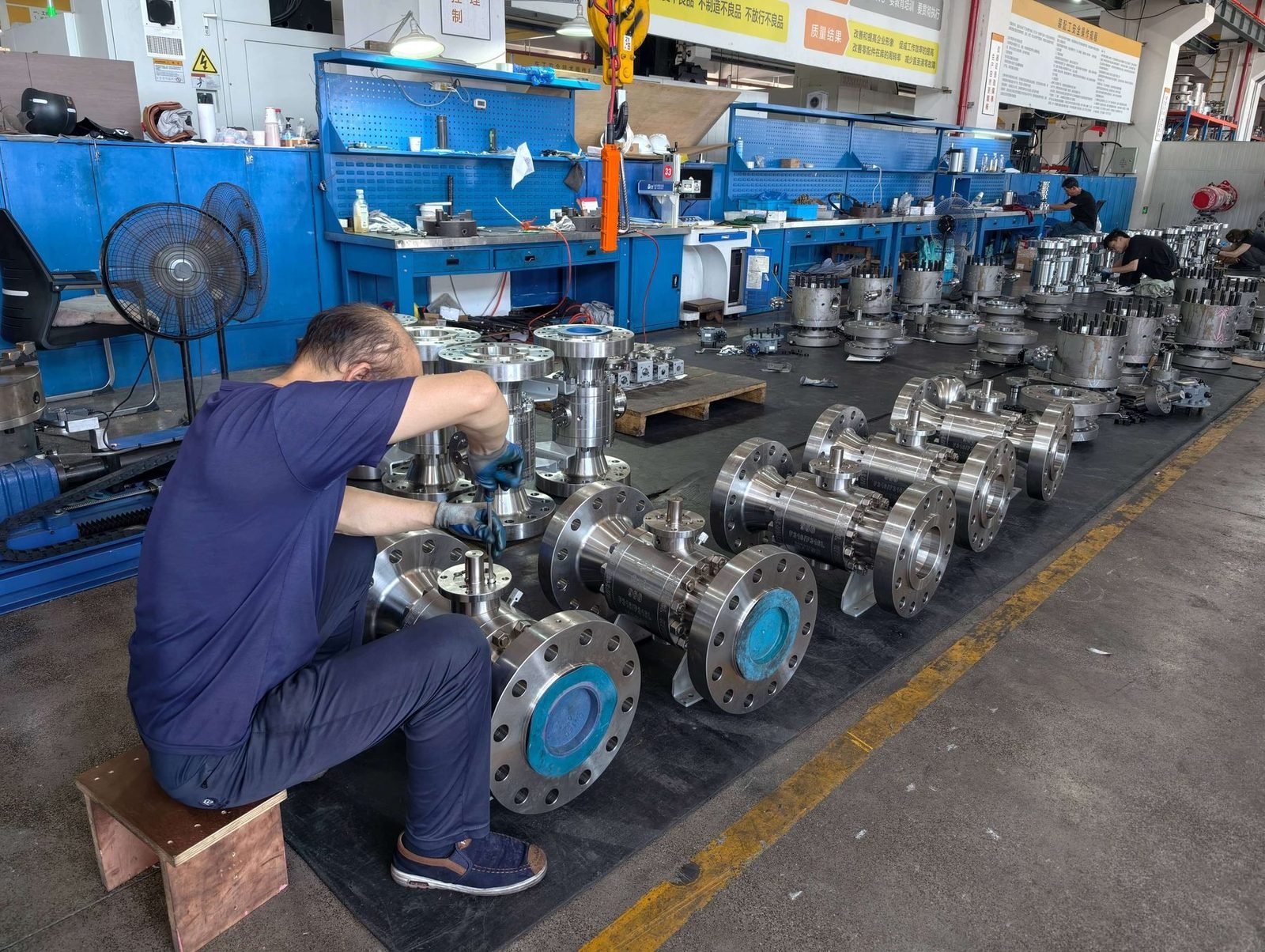
From the works and the projects
Questions this page answers
Test standards permit a measured leakage for metal-seated designs. If the process genuinely requires zero leakage, the specification has to state it and the seat design has to be chosen for it.
It depends on the exact polymer and on the pressure, so the seat supplier's data sheet governs. Reinforced and higher-performance polymers extend the band well beyond basic PTFE, and metal seats extend it further still.
You need a secondary metal sealing path that works after the polymer is consumed. That is normally achieved by combining a soft seat for normal duty with a metal backup for the post-fire condition.