
API 608, Flanged and Butt-Welded Steel Ball Valves
API 608 is the product standard for steel ball valves in plant service. It fixes the wall, the seat arrangement and the test, and it is the usual reference where a project does not name API 6D.
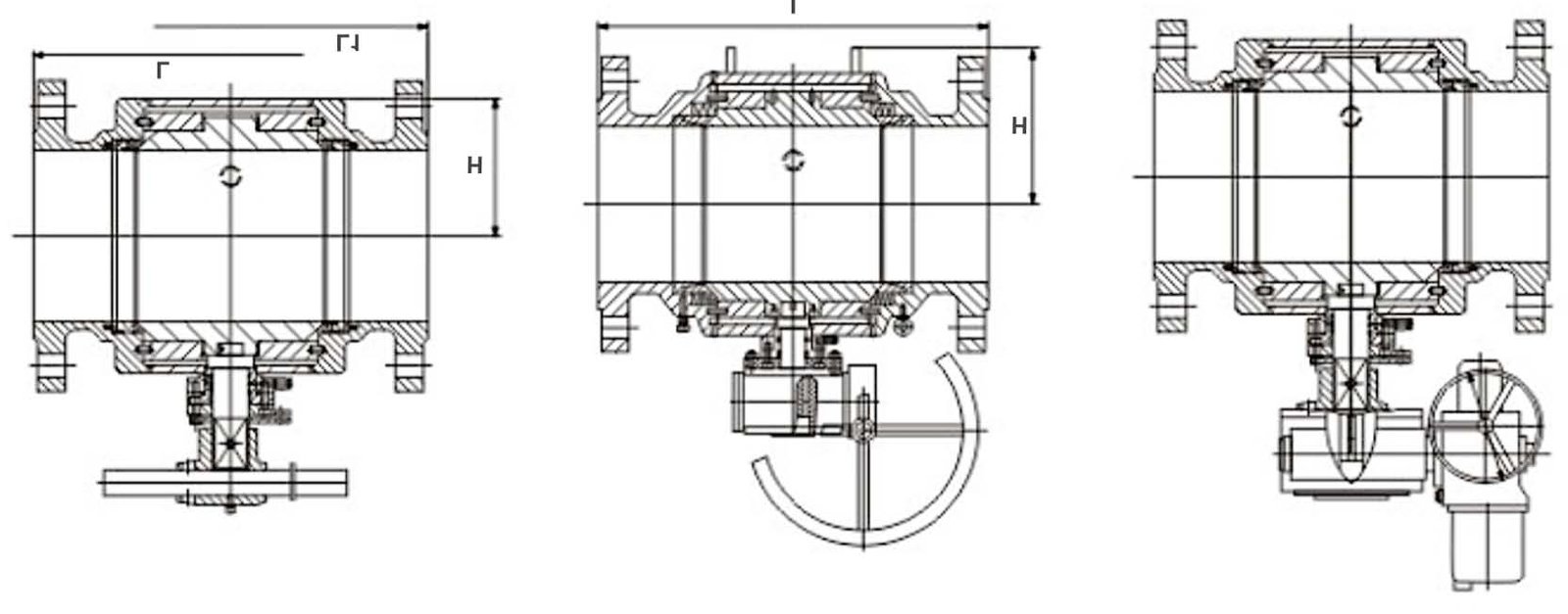
API 608, Flanged and Butt-Welded Steel Ball Valves
API 608 is where most plant ball valves are quoted from. It covers flanged and butt-welded steel ball valves and sets the requirements that matter in service: a body wall proportionate to the class, a seat arrangement that suits the valve type, and a stem that will not shear off under normal operation.
It is a product standard rather than a pipeline specification. Where a project needs the pipeline expectations, it moves to API 6D, and the same physical valve gets a different set of documentation.
Body wall and class
The body wall requirement is what separates a specification build from an unbranded one. Two valves of the same size and class can sit side by side with visually similar silhouettes and quite different wall thicknesses.
For a buyer, the practical check is the same as with gate valves: ask for the weight or the wall thickness and compare it against the standard for that size and class. A quotation that cannot supply the figure is telling you something.
Seat and stem
Ball valve seats are either soft (usually a PTFE-family material) or metal-to-metal. Soft seats give a tighter shut-off at moderate temperature and are the default for clean service; metal seats cost more and are chosen for abrasive media, high temperature or fire-safe driven specifications.
The stem is a pressure-containing part on a quarter-turn valve and API 608 treats it as such. An anti-static path between ball and body is normally provided by a spring-loaded arrangement, which matters where the medium can build a static charge.
API 608 against API 6D
If the valve is going on a plant line and the specification does not name a pipeline document, API 608 is the natural reference. If it is going onto a pipeline, a manifold or a terminal, the project will almost always name API 6D instead, and the documentation set changes with it.
Neither is automatically better. They are written for different duties, and a supplier who can explain the difference is easier to work with than one who offers the more impressive-sounding number regardless of the application.
From the works and the projects
Questions this page answers
API 608 is the product standard for flanged and butt-welded steel ball valves. API 6D is the pipeline and manifold specification and adds requirements around pipeline service. Plant lines usually name 608, pipelines and terminals usually name 6D.
Not by virtue of the standard. Fire-safe performance is demonstrated by a separate test, either API 607 or API 6FA, on the specific design.
Soft seats for clean service within the seal's temperature range; metal seats for abrasive media, high temperature, or where the specification is driven by fire-safe or fugitive-emission requirements.