
API 594, Check Valves: Wafer, Lug and Double-Flanged
API 594 is the check valve companion to API 609. It defines the body styles, the closure types and the test, and it keeps face-to-face dimensions predictable.
API 594, Check Valves: Wafer, Lug and Double-Flanged
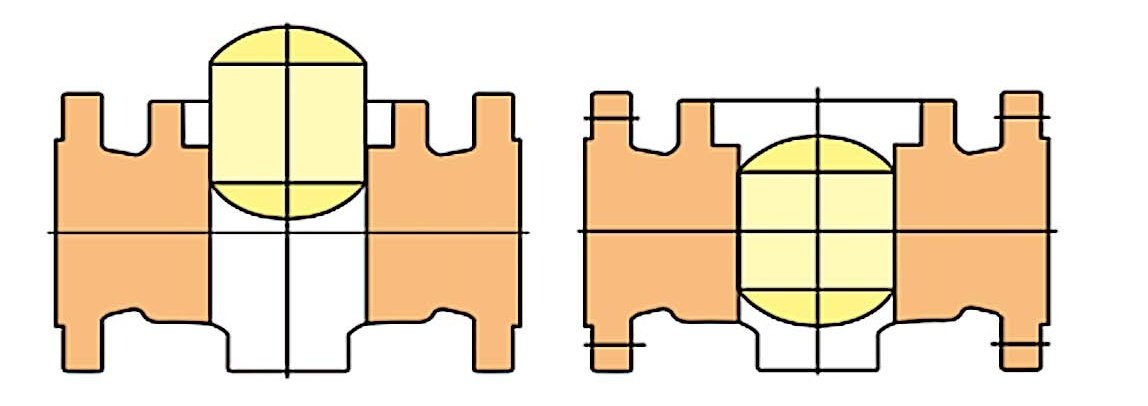
API 594 covers the compact check valves that sit between flanges or in a short spool. It defines two closure families, the dual-plate and the swing pattern, and it fixes the face-to-face dimensions so a replacement actually fits.
For a maintenance engineer the face-to-face table is the most valuable part of the document. Removing a check valve from a fabricated spool and finding that the replacement is 30 mm longer is an expensive afternoon.
Dual plate against swing
A dual-plate check has two spring-loaded half-discs that close quickly and with a short travel. A swing check has a single disc on a hinge and closes more slowly but with a larger flow area and lower pressure drop at full flow.
On large-bore lines where the transient matters, the dual-plate design is usually the better answer because closing quickly reduces the reverse velocity that produces slam. On lines where pressure drop is the binding constraint, the swing pattern often wins.
Where each design is fitted
Dual-plate valves are common directly downstream of pumps and compressors, and on any line where a fast reverse flow would be damaging. Swing checks remain common on larger lines and where the valve is expected to stay wide open for long periods.
Neither design is silent in every installation. Where the transient is severe, the correct answer may be a non-slam or axial design rather than a change of brand within the same pattern.
Testing and marking
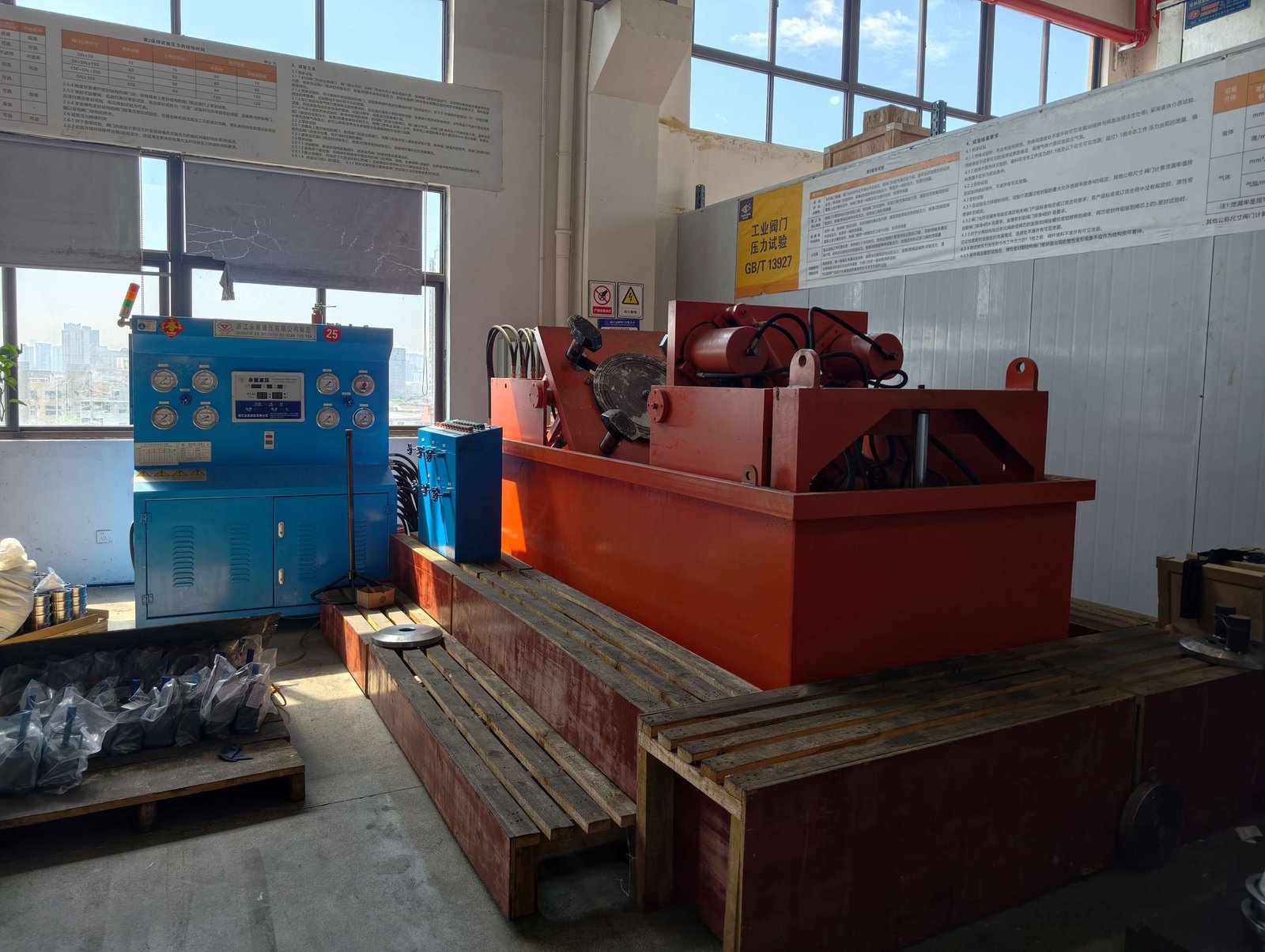
Pressure testing follows API 598, with the shell test proving the body and the seat test proving the closure at the specified differential. Because a check valve's seat only seals in one direction, the direction arrow and the seat test direction should both be confirmed on the documents.
From the works and the projects
Questions this page answers
No. It covers wafer, lug and double-flanged check valves including swing patterns. The closure type is stated separately on the datasheet.
By closing faster than the flow reverses. A dual-plate or axial design closes faster than a large swing check, and on severe transients a non-slam design is the correct answer rather than a different brand.
Our check valve range covers swing, dual-plate, wafer and piston patterns from 1/2 inch to 48 inch, quoted against API 594, API 6D or BS 1868 depending on the project reference.