
Industrial Cast Steel Globe Valve
Engineered for precision flow regulation and positive bubble-tight shutoff in severe high-pressure steam, hydrocarbon throttling, and chemical dosing systems. Designed with heavy-duty conical plug disc, full Stellite 6 hardfacing, non-rotating rising stem, and live-loaded fugitive emission gland packing.
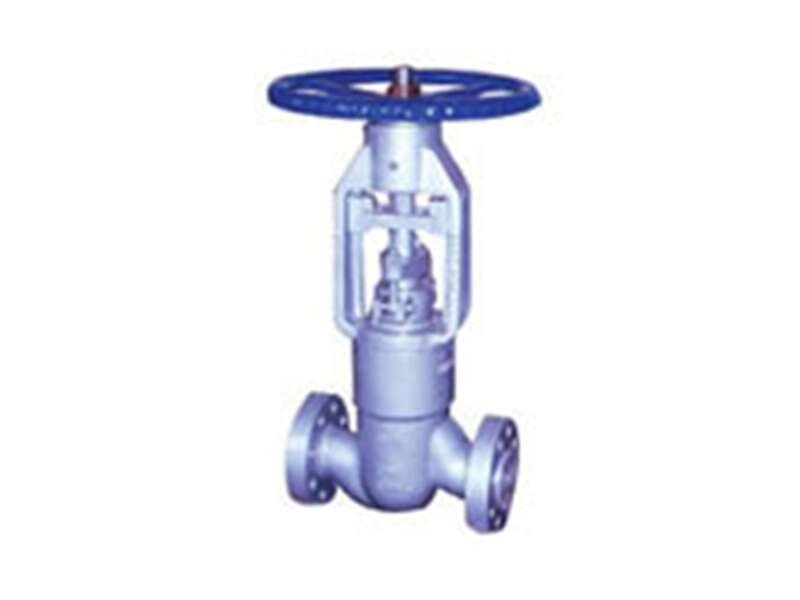
Design Codes & Valve Construction Standards
Strict adherence to BS 1873 and API 623 heavy-wall requirements, preventing stem vibration and disc chatter across high differential pressure drop conditions.
| Engineering Parameter | Applicable Codes, Standards & Design Criteria |
|---|---|
| Design & Manufacturing Standard | BS 1873, API 623, ASME B16.34, ISO 12149 |
| Face-to-Face Dimensions | ASME B16.10, ISO 5752, EN 558-1 Series 1 / Series 2 |
| Flanged End Connections | ASME B16.5 (RF / RTJ), EN 1092-1, DIN 2501 |
| Butt-Weld (BW) End Prep | ASME B16.25 (custom schedules SCH 40, SCH 80, SCH 160, XXS) |
| Stem & Backseat Construction | OS&Y rising stem, integral hardfaced backseat bushing for zero packing leakage in full open state |
| Disc Seating Geometry | Plug Disc (standard), Regulating Parabolic Disc, Flat Disc, or Needle Disc for small micro-flow |
| Fugitive Emission Containment | API 624 certified live-loaded stem graphite rings; ISO 15848-1 Class AH/BH compliant |
| Sour Service Compliance | NACE MR0175 / ISO 15156, NACE MR0103 for sour wet H2S oil/gas applications |
| Inspection & Testing Standards | 100% factory hydrostatic shell and seat leak testing per API 598 / BS 6755 Rate A |
Critical Architecture of TSV Industrial Globe Valves
Designed specifically to overcome high turbulence, severe cavitation, and rapid wire-drawing erosion in critical boiler and refinery steam circuits.
Plug-Type Throttling Disc
Long, tapered conical plug disc provides wide seating contact area. Distributes fluid velocity evenly, preventing wire-drawing erosion even under high differential pressure throttling.
Heavy Welded Stellite Seats
Body seat rings are seal-welded to the body cavity and faced with cobalt-base Stellite 6 alloy, guaranteeing maximum resistance to thermal shock, high-velocity flashing, and solid particulate abrasion.
Non-Rotating Guided Stem
The stem moves linearly without rotating against the gland packing rings, drastically minimizing packing wear and extending fugitive emission containment life to over 100,000 mechanical strokes.
Y-Pattern Low Pressure Drop
Optional 45° Y-pattern inclined body straightens fluid trajectory, reducing pressure drop by up to 50% compared to standard T-pattern globe valves, ideal for high-velocity boiler feed lines.
Pressure Seal Bonnet (PSB)
For ASME Class 900 to 2500 power generation applications, our pressure-seal bonnets eliminate heavy flanged bolting, harnessing line steam pressure to achieve positive leak-free gasket sealing.
Precision Actuator Adaptability
Equipped with ISO 5210 multi-turn top flanges, ready for direct mounting of explosion-proof electric actuators (Rotork, Auma, Limitorque) or heavy pneumatic diaphragm actuators for modulating control.
Complete Cast Steel Globe Valve Models & Technical Capabilities
Browse TSV's complete portfolio of certified cast steel globe valve models. Engineered to order with customizable trims, metallurgy, pressure ratings, and factory-fitted actuation for mission-critical installations.
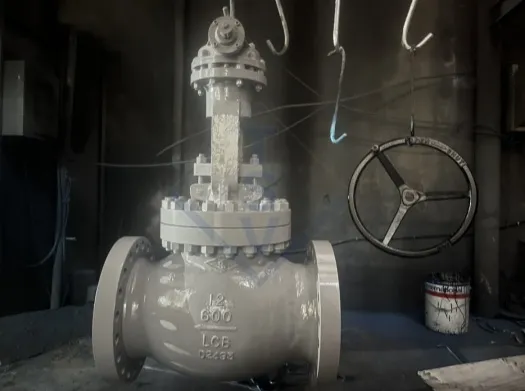
Heavy Flanged Cast Steel Straight-Through Globe Valve
Heavy wall casting designed strictly per API 623 with heavy stem diameter, guiding disc ribs, and Stellite hardfaced seats for precision throttling.
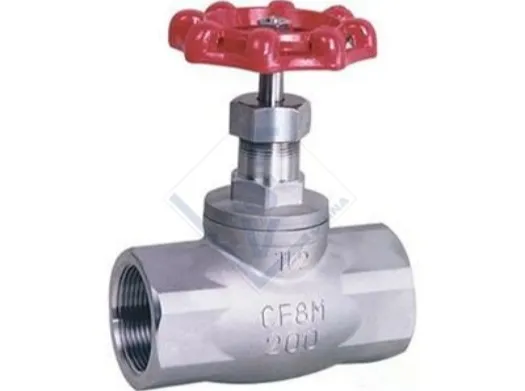
Low Temperature Throttling Globe Valve with Parabolic Plug
Parabolic contour plug providing precise linear or equal percentage flow characteristic for cooling water throttling and refinery bypass lines.
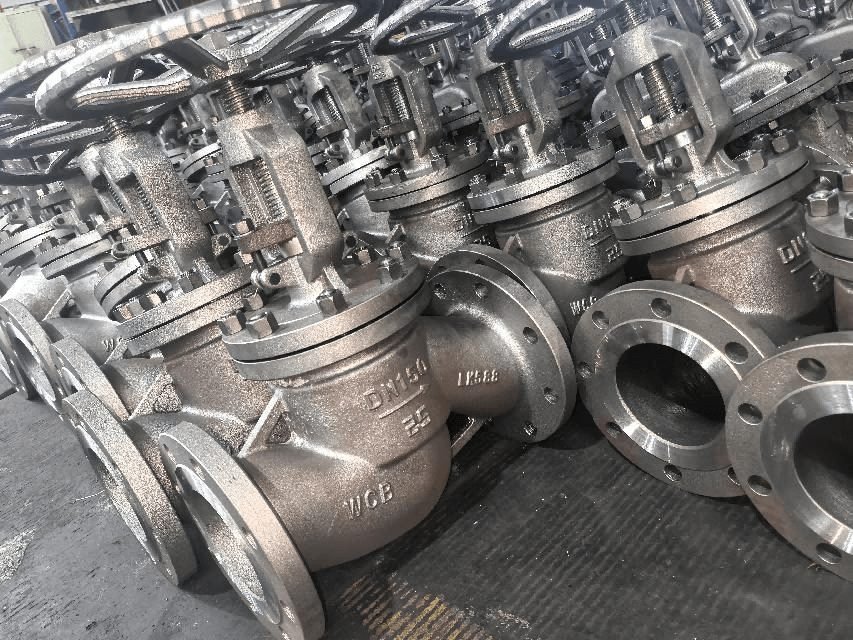
High-Pressure Pressure Seal Bonnet Cast Steel Globe Valve
Engineered for superheated steam and boiler feedwater isolation. Pressure seal bonnet utilizes internal fluid pressure to compress the flexible graphite gasket tighter as line pressure increases.
Explore All 3 Globe Valve Sub-Categories
1:1 aligned with TSV factory catalog. Navigate to precision throttling cast steel, zero-emission bellows sealed, or high-pressure forged globe valves.
Cast Steel Globe Valve
BS 1873 heavy bolted bonnet cast steel globe valve with Stellite hardfaced plug disc for manual throttling.
Current Series View Page Top ↑Forged Steel Globe Valve
API 602 forged alloy unibody engineered for high-temperature power plant drains, vents, and roots.
Class 800 - 2500 View Forged Steel Globe Valve →Flanged Bellows Globe Valve
Multi-ply Inconel metal bellows seal eliminating toxic fugitive emissions in thermal fluid loops.
Zero Emissions View Flanged Bellows Globe Valve →Configure & Request a Quote for Cast Steel Globe Valves
Submit your throttling or isolation requirements. Our engineering team will calculate Cv flow coefficients, verify seat sizing, and submit formal GA drawings within 24 hours.