
SOMAGEPE S.A.S, 30 Orders, Large Bore and Buried Duty
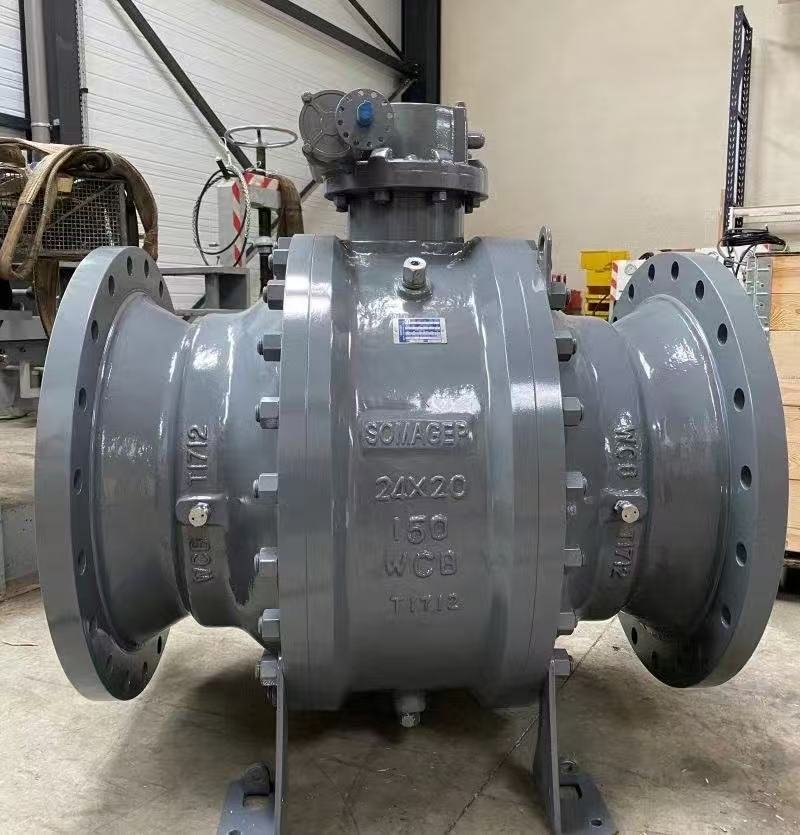
Thirty orders over three years, from half-inch instruments to a 28 inch Class 900 ball valve specified for buried service.
SOMAGEPE S.A.S, 30 Orders, Large Bore and Buried Duty
SOMAGEPE placed thirty orders with TSV between 2020 and 2022. The scope ran the full width of our range: ball, gate, globe and check valves in carbon steel, stainless and low-temperature carbon steel, with sizes from half an inch to twenty-eight inches.
The specification that shaped the work was the combination of large bore and buried or underground installation, which is where the IP rating on the ordering documents came from.
The order in numbers
What was supplied
| Specification | Quantity | Rating / class | Valve types |
|---|---|---|---|
| 28" Class 900, low-temperature carbon steel (LF2) | 125 | IP68 | Ball valves |
| 24" Class 600, stainless steel 316 | 31 | IP68 | Ball valves |
| 14" Class 600, stainless steel 316 | 67 | IP68 / seal class VI | Ball, globe, check |
| 10" Class 900, carbon steel WCB | 12 | IP68 / seal class VI | Ball, gate, check |
| 6" Class 600, carbon steel WCB | 96 | IP68 / seal class VI | Ball, globe, check |
| DN150 PN40, carbon steel WCB | 43 | IP65 / seal class V | Ball, globe, check |
| 2" Class 150, carbon steel WCB | 82 | IP65 / seal class V | Ball, gate |
| 1" Class 300, carbon steel WCB | 76 | IP65 / seal class V | Ball, globe, check |
| 1/2" Class 150, stainless steel 304 | 120 | IP65 / seal class V | Ball, globe, check |
What the duty actually required
Large bore ball valves in sizes where a floating ball stops being practical, which means trunnion-mounted construction for the biggest items and a design that can be operated reliably by hand or by gearbox.
An enclosure rating appropriate to the installation: IP68 where the valve sits in a chamber or below grade, IP65 for the items in accessible positions. The rating applies to the assembled valve, including the stem sealing arrangement, which is where the requirement bites.
A leakage class stated by the customer on the order, applied to the seat test so the acceptance criterion was agreed before manufacture rather than after the test.
How the order was structured
The orders were release batches rather than a single delivery: ball, gate, globe and check valves arriving across three years as the project consumed them. That put weight on repeatability, because each release had to match the previous one rather than being built as a one-off.
Consistency across releases is the harder part of a project like this. Drawing, material, trim and test record all had to stay the same across thirty separate orders.
The low-temperature items
Part of the scope called for low-temperature carbon steel, which is a material choice driven by the minimum design temperature rather than by corrosion. The grade and the impact testing requirement both follow from the minimum temperature the project states.
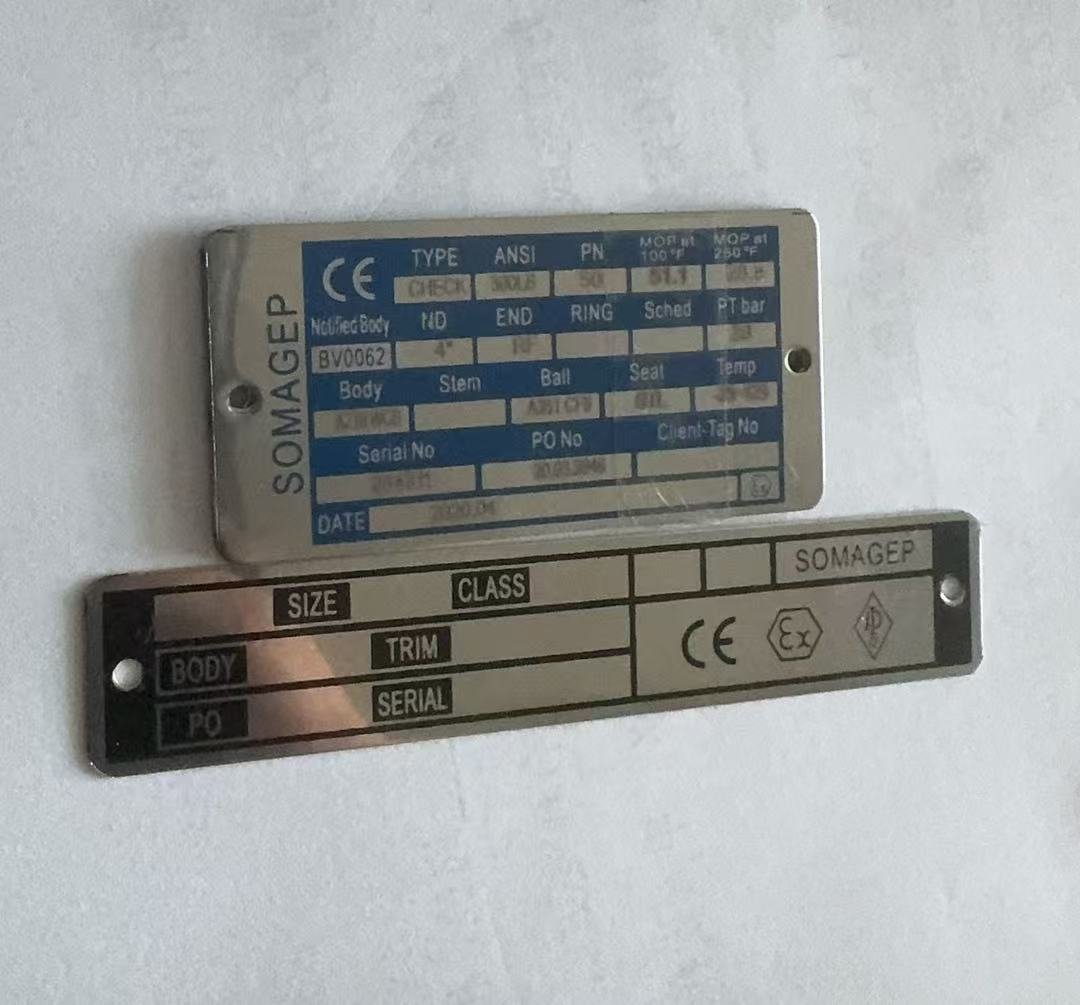
That is the kind of requirement that has to be settled at enquiry stage. A low-temperature order built from a standard carbon steel specification is not compliant, and the difference is not visible in a photograph.
From the works and the projects
Questions this page answers
It is an enclosure rating for the assembled valve, relevant where the valve is installed below grade or in a chamber. It applies to the stem sealing arrangement and to the joints, not to the body casting alone.
Service where the minimum design temperature makes standard carbon steel unsuitable. The grade and the impact testing follow from the stated minimum temperature.
At large bore and high class a gearbox is normally needed, because the operating torque exceeds what a handwheel can reasonably deliver without gearing.