
API 6FA, Fire Test for Valves to API 6A and 6D
API 6FA is the fire test written for valves that are already specified to API 6A and API 6D. It is the pipeline and wellhead route to a fire-safe claim.
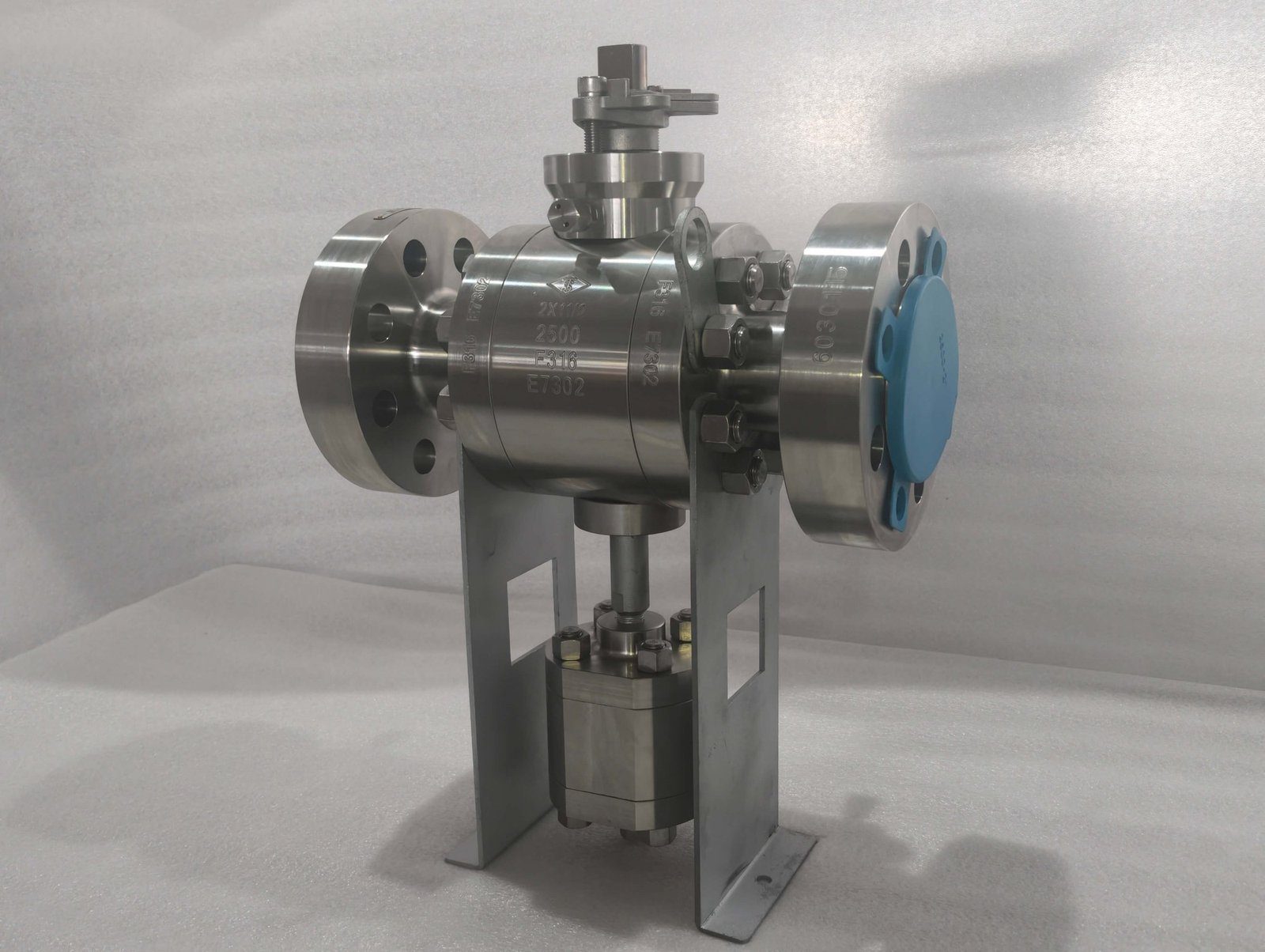
API 6FA, Fire Test for Valves to API 6A and 6D
API 607 is the general fire test for quarter-turn valves. API 6FA is the fire test that looks specifically at valves already specified to API 6A and API 6D, which is why pipeline and wellhead projects name it instead.
The practical difference for a buyer is the paperwork trail. A valve quoted to API 6D with a fire-safe requirement will normally be expected to show a 6FA test, so the certificate chain matches the design standard rather than arriving from a different family of documents.
Why two fire tests exist
A general quarter-turn fire test does not know whether the valve in front of it is a pipeline valve or a plant valve. The 6FA route exists so that the fire qualification sits inside the same specification family as the design, the marking and the pressure test.
Where a project writes both, the supplier should be able to state which test was witnessed, on which design, and what range it covers. A fire claim with no scope statement is not a qualification.
What it qualifies
Like the general fire test, the sequence burns the valve and then requires sealing and operability afterwards, with the soft parts gone. What varies is the reference framework around it rather than the physical idea.
For a trunnion-mounted pipeline ball valve, the fire-safe behaviour comes from the secondary metal seat and from sealing paths that do not depend on the polymer. That is a design decision made at the drawing stage, not something added at the test bench.
When a buyer should ask for it
Ask for a fire test when the valve sits in a service where a fire is a credible event: hydrocarbon lines, terminals, loading arms, and anywhere the project's hazard review has identified it. Ask for the specific test the project names, and ask for the scope.
If the project does not name a test, ask the question at enquiry stage rather than after order placement. Adding a witnessed fire test to a design that was not built for it is not a paperwork exercise.
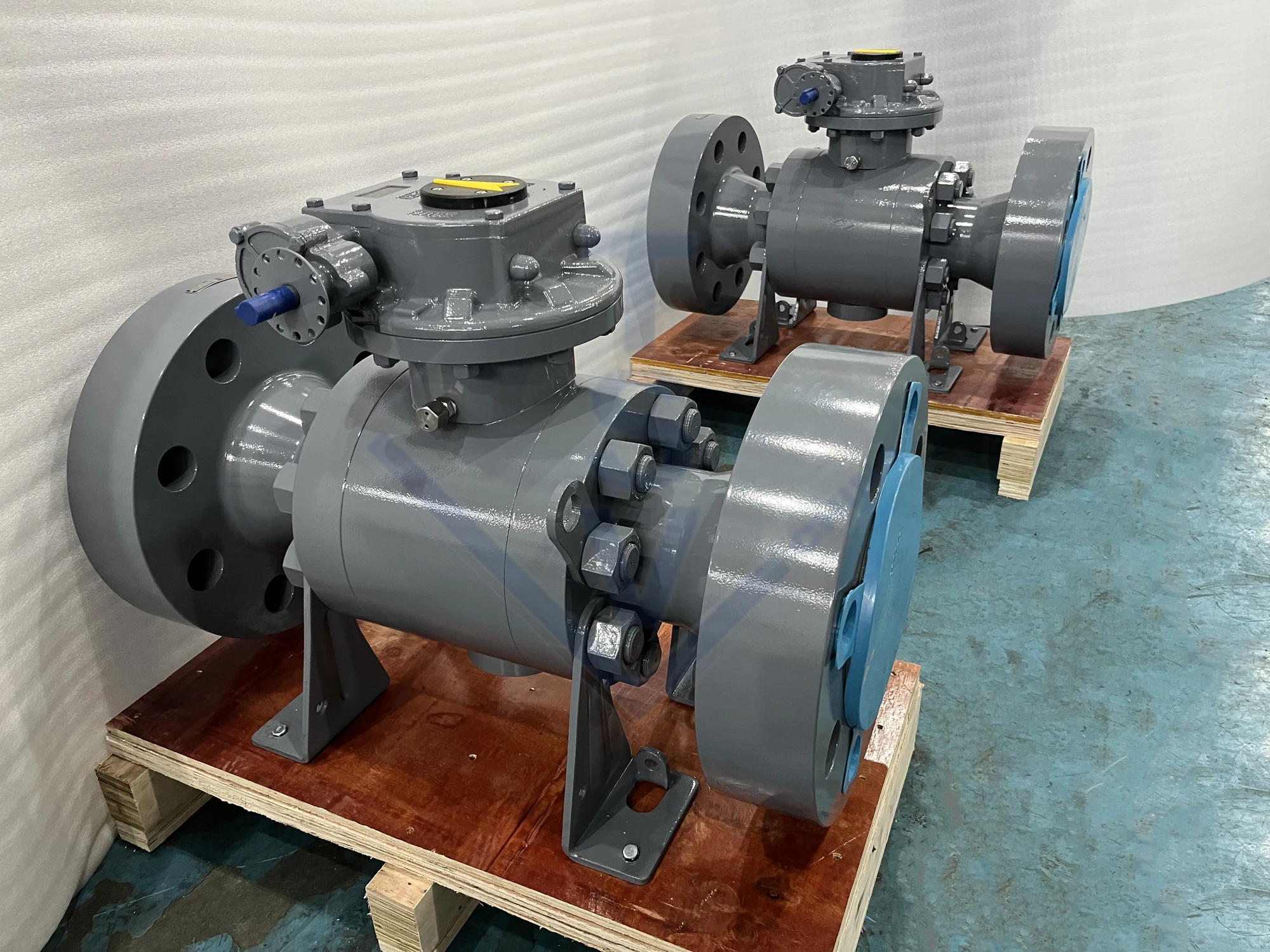
From the works and the projects
Questions this page answers
Specify the one your project document names. API 607 is the general quarter-turn fire test; API 6FA is the fire test for valves specified to API 6A and API 6D, so pipeline and wellhead projects normally name it.
Yes. Many designs carry the API 6D specification and a fire test under API 607 or 6FA. What matters is that the certificate names the design and the size range it covers.
It should. The secondary seat and the joint sealing arrangement have to be designed for the post-fire condition. A design that was not built with that in mind cannot be made compliant by testing it.