
API 526 and API 527, Safety Relief Valve Design and Seat Tightness
API 526 describes the relief valve as a product, down to the orifice. API 527 measures how well the seat holds. Together they are the reference behind a safety valve order.
API 526 and API 527, Safety Relief Valve Design and Seat Tightness
Pressure relief valves are specified differently from isolation valves. The duty is defined by the capacity that has to be relieved and the pressure at which relief starts, and both of those are tied to a defined product framework rather than to a size and class alone.
API 526 provides that framework for flanged steel relief valves, including the orifice designations that let an engineer refer to a capacity code instead of a physical area. API 527 is the companion that defines how the seat tightness is measured before the valve leaves the works.
Orifice designations
Relief valve capacity is referenced by orifice letter rather than by quoting an area each time. The letters run from the smallest upward through the standard series, and a project document typically names the letter it requires.
The letter is a shorthand for a defined effective area. Choosing one is an engineering exercise based on the relieving case, which is why a safety valve enquiry usually arrives with the required capacity rather than only a size.
Set pressure and blowdown
Set pressure is the pressure at which the valve begins to open, and it is set on a test bench with the spring adjusted to the ordered value. Blowdown is the drop below set pressure at which the valve reseats.
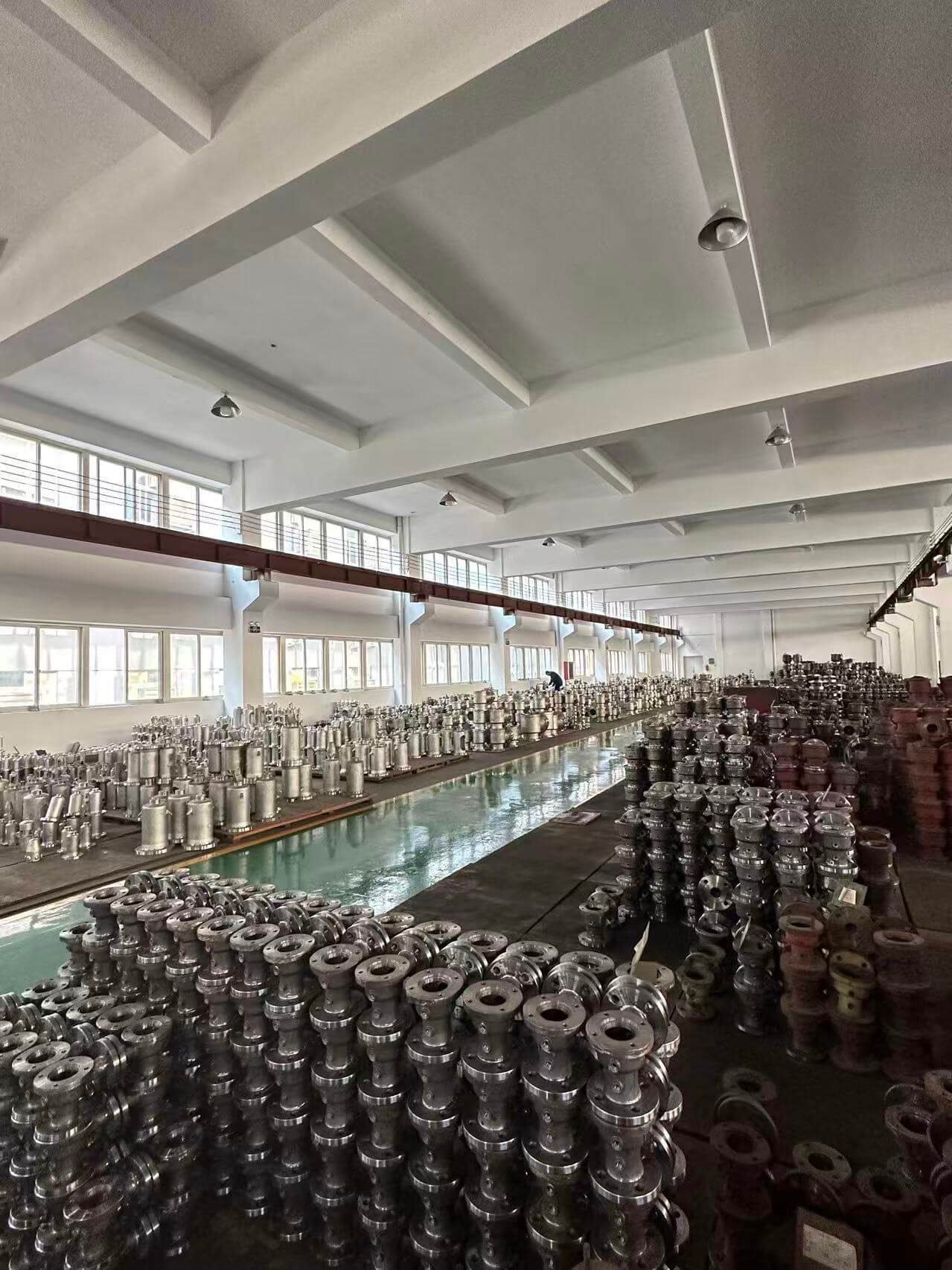
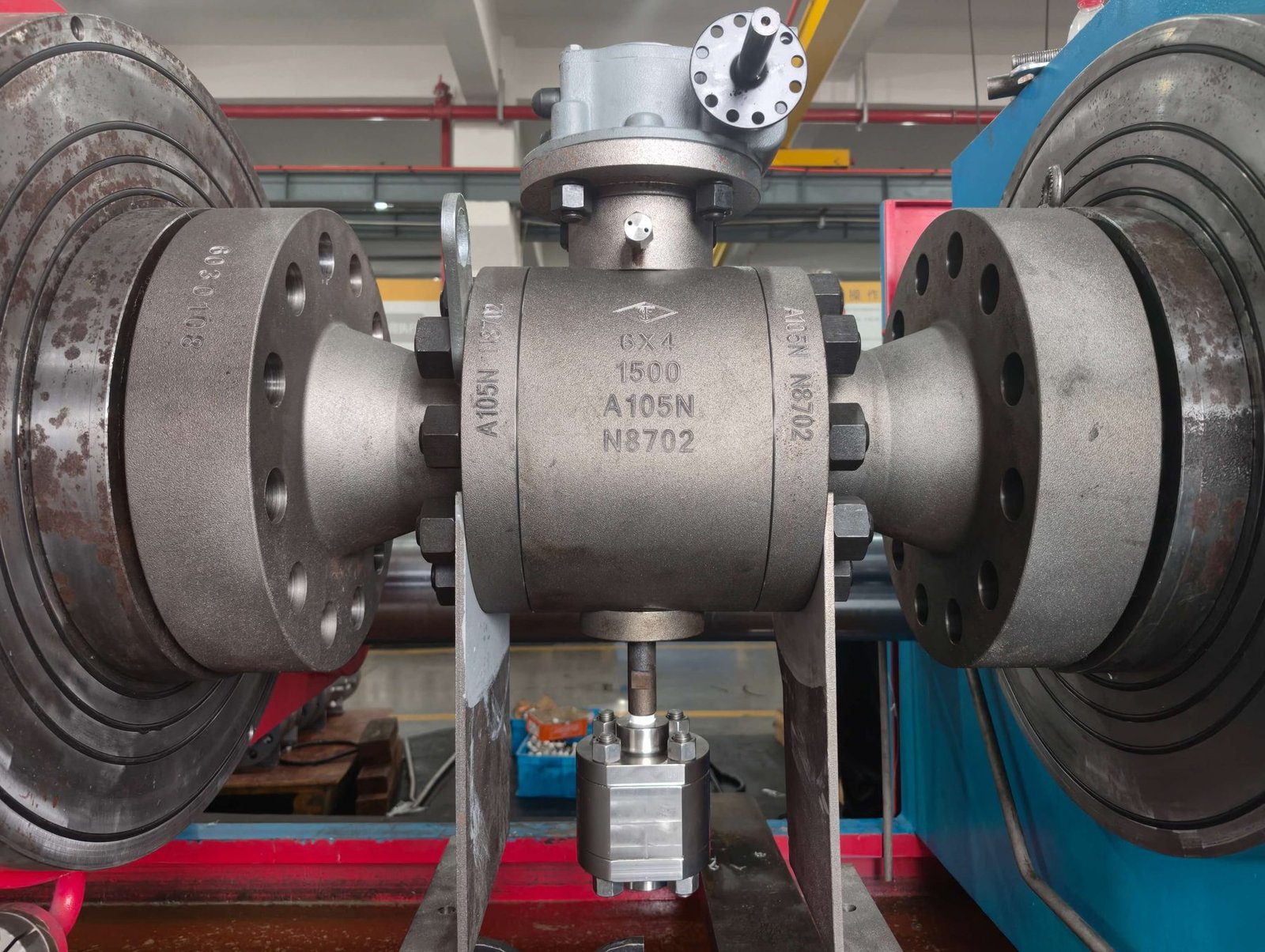
Both are measured on our own benches before shipment, which is why our safety valve workshop runs a dedicated CNC area, spring stiffness testing and a performance test bench rather than sending the work out.
Seat tightness, measured
API 527 defines how leakage past the seat is measured, and the acceptance depends on whether the valve has a metal or a soft seat and on the service. A soft-seated valve will normally be required to hold tighter than a metal-seated one.
This is where a buyer's expectation should be calibrated. A metal-seated relief valve on high-temperature steam is a different specification from a soft-seated valve on air, and the tightness requirement follows the seat, not the price.
What Is Set At The Bench
| Item | Detail | Note |
|---|---|---|
| Set pressure | Adjusted on the spring to the ordered value | Recorded on the performance test sheet |
| Blowdown | Measured as the drop at which the valve reseats | Bench verified before shipment |
| Seat tightness | Measured to the API 527 method | Acceptance depends on seat type and service |
| Capacity | Referenced by orifice designation | Selected from the relieving case |
| Evidence | Performance test record | Issued with the valve |
From the works and the projects
Questions this page answers
Because capacity, not bore, is the limiting factor in a relieving case. The letter refers to a defined effective area, which lets the engineer select against the required flow.
Yes. Set pressure is adjusted and measured in our safety valve workshop on a performance test bench before shipment, and the record goes with the valve.
Less than from a soft-seated one, by design. API 527 sets how the leakage is measured and the acceptance depends on the seat type and the service the valve is in.