
API 598, Valve Inspection and Pressure Testing
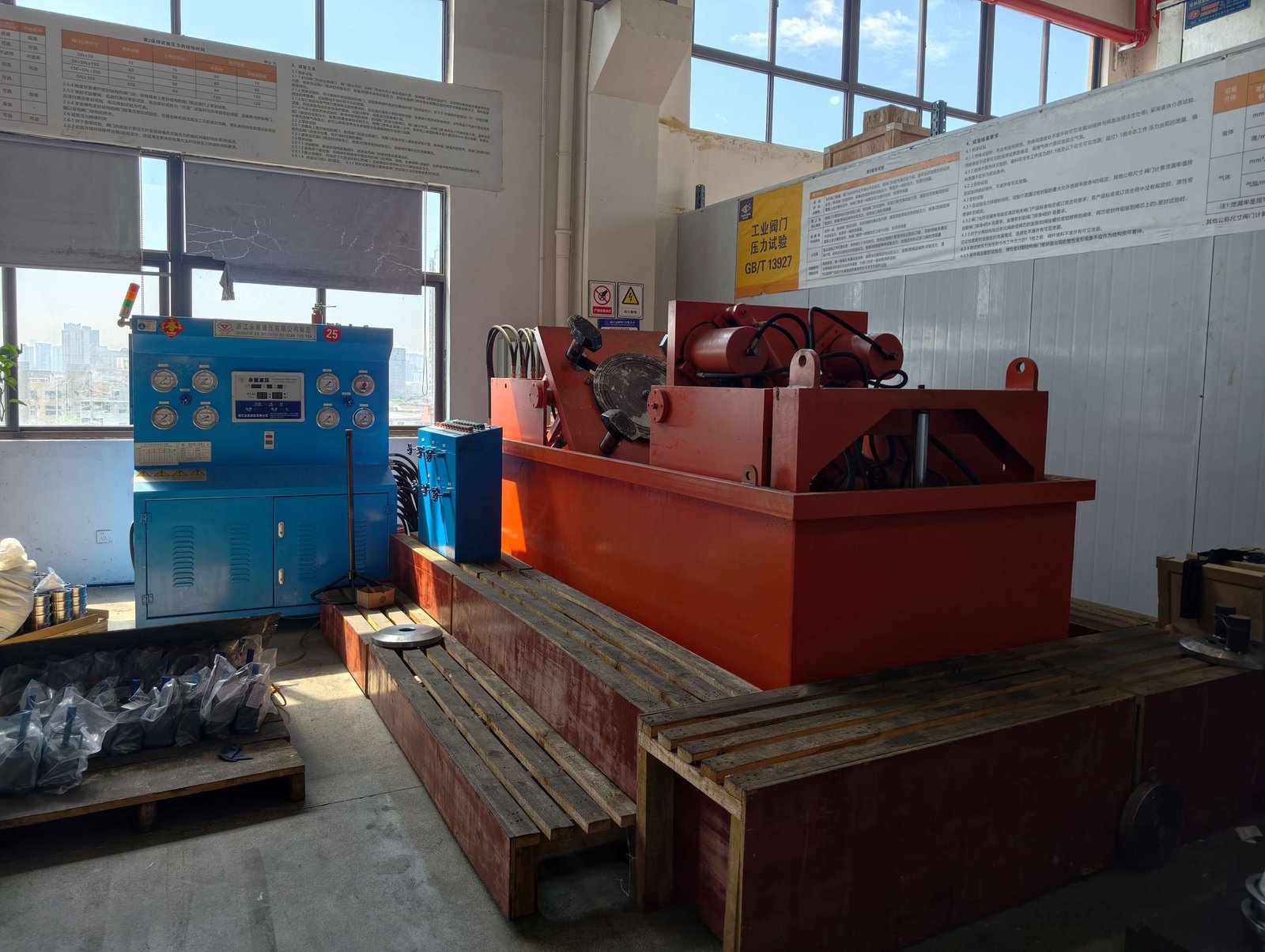
API 598 is the test every valve on this site passes before it is crated. It answers one question: does the pressure boundary hold, and does the seat seal.
API 598, Valve Inspection and Pressure Testing
API 598 is the inspection and test standard referenced by API 600, 602, 608, 6D and most other valve specifications. It describes the shell test, which proves the pressure boundary, and the seat test, which proves the closure, and it sets minimum durations for each.
It is the most useful single document a buyer can hold a supplier to, because the results are visible. A shell test either holds or it does not, and a seat test either meets the permitted leakage or it fails. There is very little room for interpretation.
The shell test
The shell test pressurises the assembled valve with the closure open, so the pressure acts on the body and the body-to-bonnet joint. The valve is held at pressure for the duration specified for its size and class, and no leakage is permitted.
Shell test pressure is derived from the rating at the test temperature with a defined multiplier, which is why the test pressure for a Class 300 valve is not simply twice that of a Class 150 valve.
The seat test
The seat test pressurises one side of the closed closure and measures any leakage past the seat. The permitted leakage depends on the valve type and on the test medium: metal-seated valves are allowed some leakage, resilient-seated valves are not.
This is why an enquiry should state whether the valve is required to hold bubble-tight. A metal-seated ball valve on high temperature service may be perfectly compliant and still show a small measured leakage, and a buyer who was expecting zero leakage will be surprised at the test bay rather than at the drawing stage.
What to ask for as evidence
Ask for the test record for the actual valves in the order, not a specimen certificate from a previous batch. The record should identify the valve, state the test medium, the pressure applied and the duration, and show the result.
Where the order justifies it, a recorded pressure test on video is the cheapest insurance available on an import order, because it shows the valve under pressure with its identification visible. We offer this on request at enquiry stage.
What Api 598 Covers
| Item | Detail | Note |
|---|---|---|
| Shell test | Body, bonnet joint and pressure boundary | No leakage permitted |
| Seat test | Closure sealing at the specified differential | Resilient seats tight; metal seats measured |
| Duration | Set by size and class | Stated in the standard, enforced at the bench |
| Medium | Water, or air where the valve suits it | Air test available on request |
| Evidence | Test record per valve | Video recording on request |
From the works and the projects
Questions this page answers
It is referenced by most steel valve specifications, so in practice it applies across ball, gate, globe, check, butterfly and plug valves. For safety relief valves the applicable document is API 527 for seat tightness instead.
Not necessarily. API 598 permits a measured leakage for metal-seated designs, which is why the specification should state whether bubble-tight is actually required for the service.
Yes. A recorded water or air pressure test with the valve identification visible is available on request, and it is normally asked for at enquiry stage rather than after the order.