
API 609, Butterfly Valves: Wafer, Lug and Double-Flanged
API 609 organises butterfly valves into two categories by design pressure basis. Getting the category right matters more than the brand of valve.
API 609, Butterfly Valves: Wafer, Lug and Double-Flanged
API 609 covers butterfly valves in wafer, lug and double-flanged construction. Its most useful contribution is that it separates the market into two categories rather than pretending every butterfly valve is the same product.
Category A valves are rated by the manufacturer and tested at a defined pressure; Category B valves carry a pressure-temperature rating that follows the recognised rating basis and includes the disc and seat in the bracket. A project that writes in Category B is asking for a valve with a published rating, not a catalogue figure.
Wafer, lug and double-flanged
A wafer valve sits between two flanges and is held by the line bolts. A lug valve has threaded lugs so it can be bolted to a single flange and used as an end-of-line valve. A double-flanged valve has its own flanges and behaves like any other flanged valve in the line.
The choice is usually mechanical rather than hydraulic: wafer for compactness and cost, lug where the line may be opened on one side, double-flanged where the piping design wants both flanges to be part of the valve.
Concentric and eccentric geometry
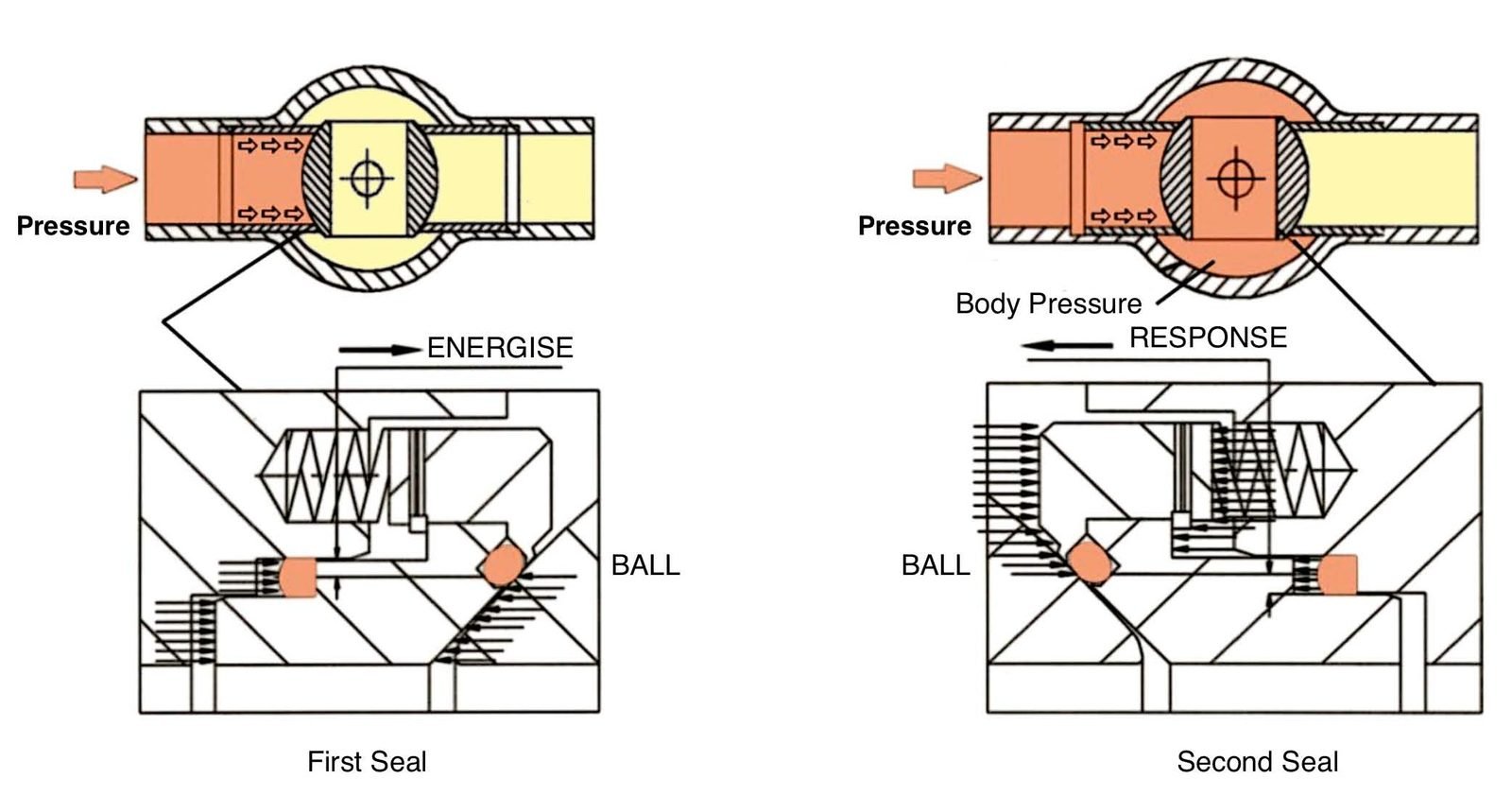
A concentric valve has the shaft through the disc centre, which means the seat is in contact with the disc throughout travel. An eccentric or offset design moves the disc away from the seat as it opens, reducing wear and allowing a metal seat to work at higher temperature.
That geometry difference is what makes a triple-offset valve suitable for high temperature and for metal-to-metal sealing, and it is also why the torque curve looks so different between the two designs.
Torque is the specification nobody writes
Butterfly torque rises with differential pressure and with the square of the bore, and it peaks at part-open positions rather than at the closed position. A quotation that sizes the actuator from the closed-position torque alone will produce a valve that stalls when it is used for throttling.
Ask for the torque curve or at least the break-to-open and running torque figures when the valve is actuated. It is the single most common source of trouble on automated butterfly valves.
Api 609 Category Contrast
| Item | Detail | Note |
|---|---|---|
| Rating basis | Manufacturer-rated, tested at a defined pressure | Published pressure-temperature rating covering disc and seat |
| Typical use | Utility and general isolation | Process duty where a rating has to be stated |
| Seat | Usually resilient | Resilient or metal, including offset designs |
| What to ask for | Test pressure and seat material | Rating table plus the torque figures |
From the works and the projects
Questions this page answers
Category B where the project needs a published pressure-temperature rating including the disc and seat. Category A is common for utility isolation where the project writes its own test requirement.
The valve type is covered; the sealing technology is not defined by the standard. High-temperature metal seating comes from the offset geometry rather than from the document.
Break-to-open and running torque at the maximum differential pressure the valve will see, not the closed-position figure alone. For throttling duty, ask for the torque curve.