
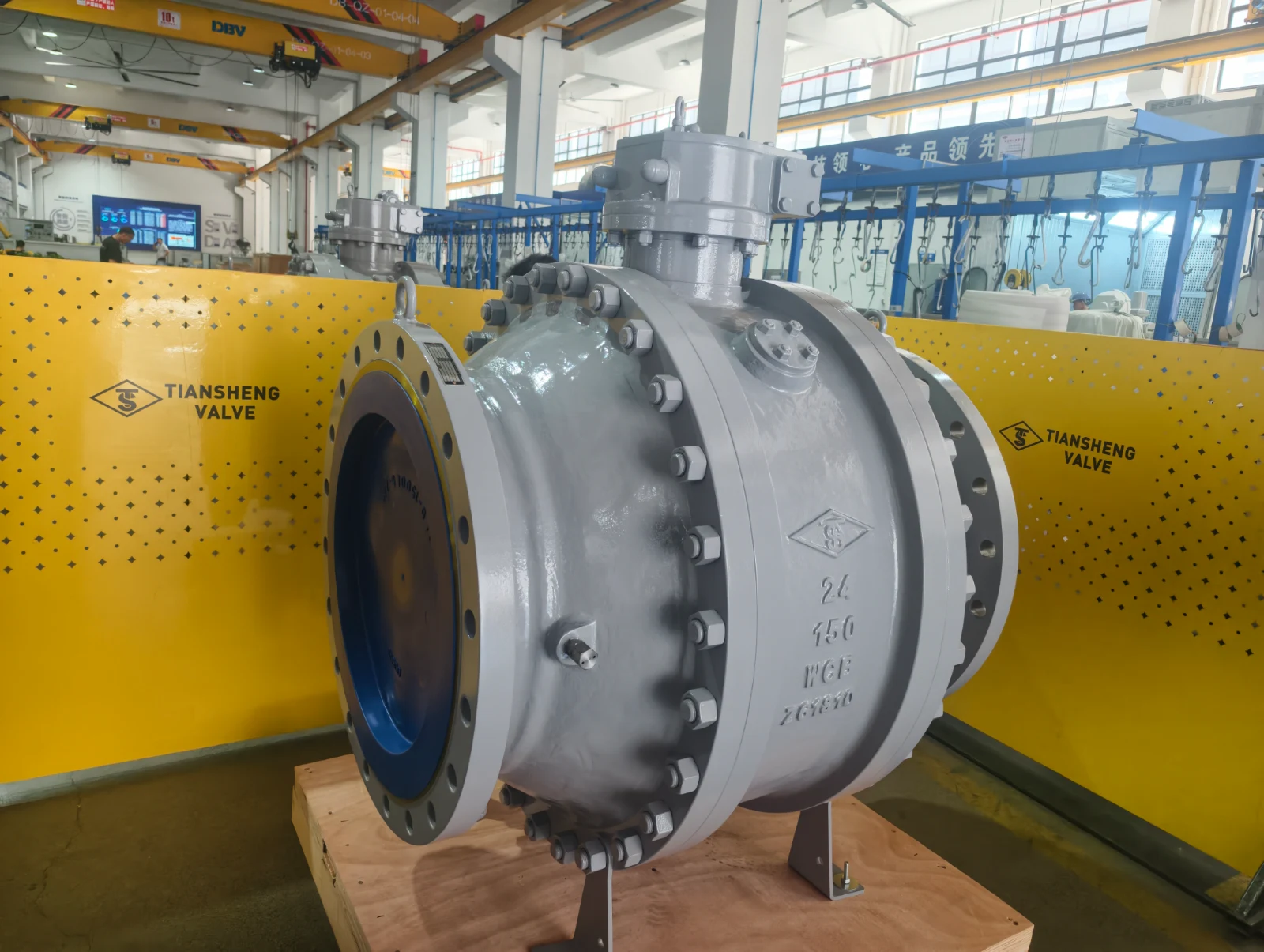
Engineering Highlights
Nickel-plated or solid ENP balls, blow-out proof stems, anti-static grounding springs, and ISO 5211 top mounting pads ready for direct actuator coupling.
Ball Valves Design & Manufacturing Scope
Manufactured strictly in compliance with international standards, backed by certified raw material heat numbers, optical emission spectrometry, and full hydrostatic pressure trials.
Ball Valves Core Sub-Categories & Models
Select a specialized sub-category below to inspect individual engineering models, face-to-face dimensions, torque curves, and model-specific material selections.


Severe Service Design Advantages
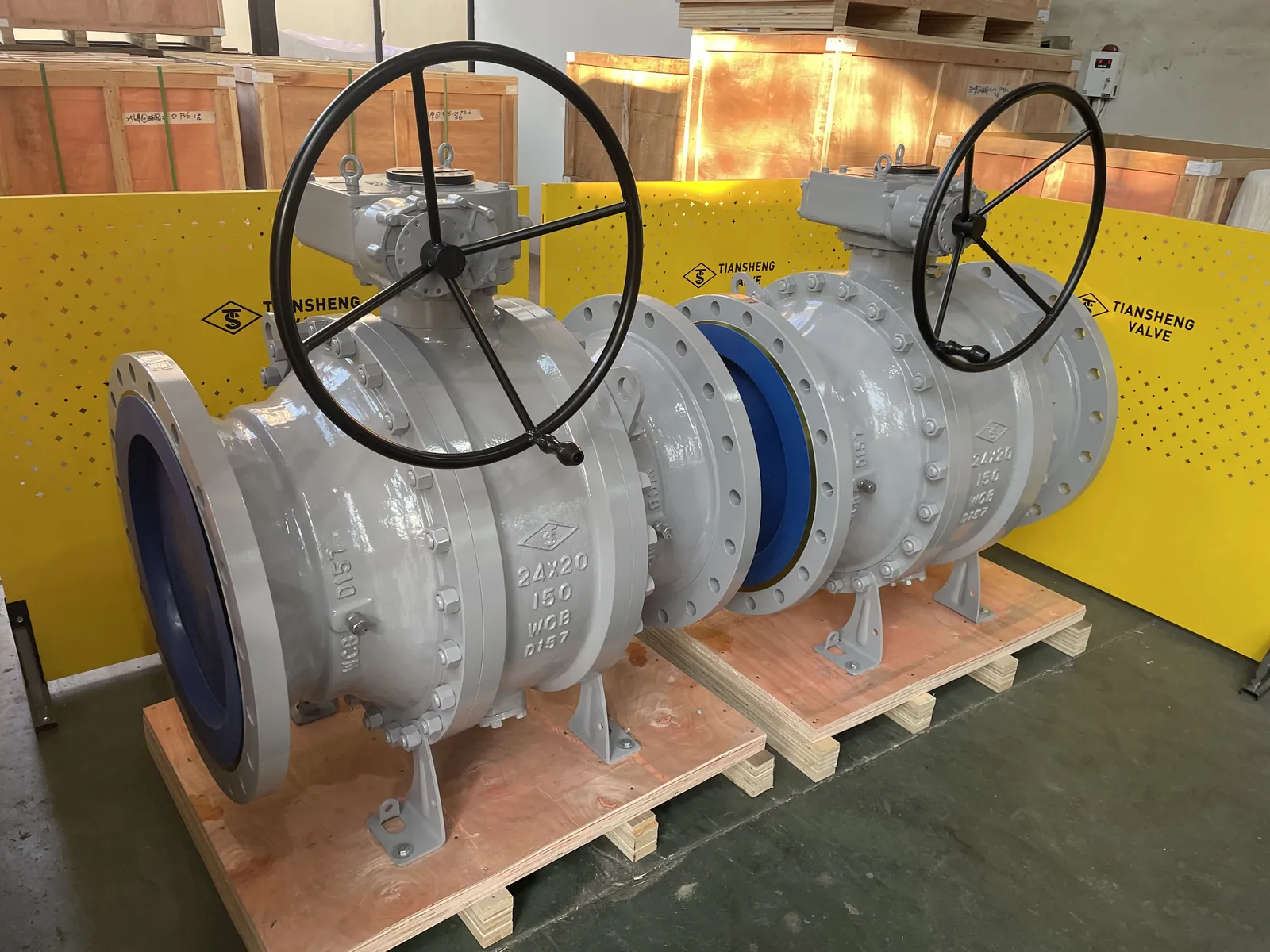
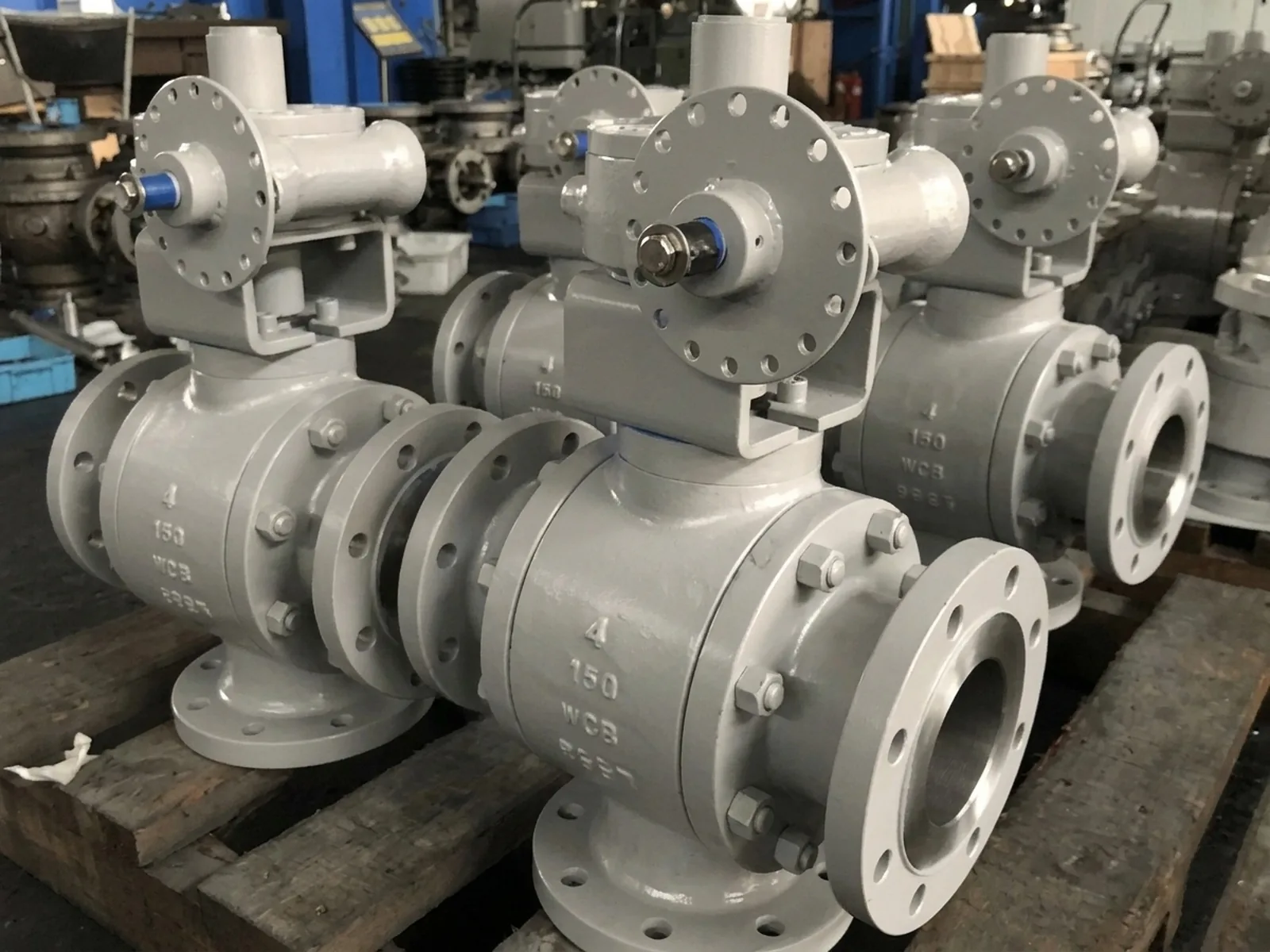
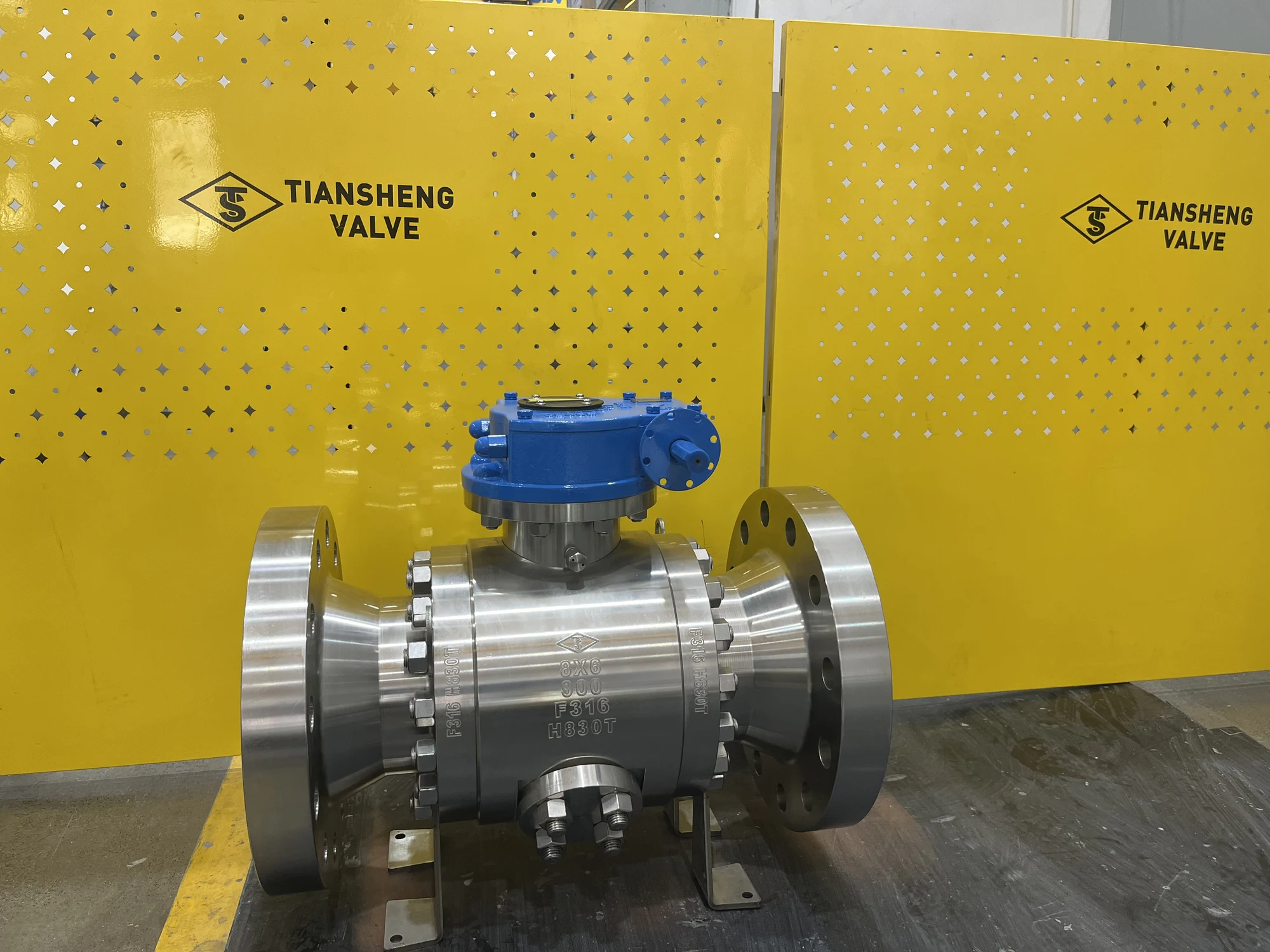
How TSV Ball Valves deliver continuous bubble-tight shutoff, zero fugitive emissions, and decades of operational safety in harsh operating environments.
True Double Block & Bleed (DBB)
Dual spring-energized self-relieving floating seats isolate upstream and downstream pipeline pressures simultaneously with central cavity venting.
Anti-Blowout Stem Architecture
Internally assembled heavy-duty stems with integral T-type thrust shoulders guarantee retention under extreme hydraulic surge pressures.
API 607 / API 6FA Fire-Safe Sealing
Secondary metal-to-metal back-up seals engage automatically when primary soft inserts degrade during high-temperature fire emergencies.
Low-E Fugitive Emission Packing
Live-loaded graphite chevron packing sets certified to ISO 15848-1 Class AH and API 641, keeping VOC emissions below 100 ppmv.
Frequently Asked Questions for Ball Valves
Answers to common questions from EPC pipeline engineers, instrument technicians, and international sourcing managers.
What is the critical difference between API 6D and API 608 ball valves?
API 6D governs pipeline transmission valves with mandatory cavity relief, DBB capabilities, and larger bore sizes up to 48". API 608 governs refinery and chemical process plant ball valves, emphasizing fire safety, anti-static grounding, and high cycling endurance.
When should metal-to-metal seating be selected over soft seating?
Metal-seated ball valves (with tungsten carbide or Stellite hardfacing) are mandatory for media exceeding 220°C, abrasive catalyst slurries, molecular sieve switching, and erosive black water services where soft polymer seats would quickly deform or wash out.
What body material configurations does TSV offer for sour H2S service?
All pressure-retaining bodies and trims comply with NACE MR0175/ISO 15156. Materials include ASTM A216 WCB/WCC, A352 LCC/LCB, A351 CF8M, Duplex F51/F53, and Inconel 625/718 cladding with maximum hardness controlled strictly below 22 HRC.
What factory testing protocols are applied to each manufactured valve?
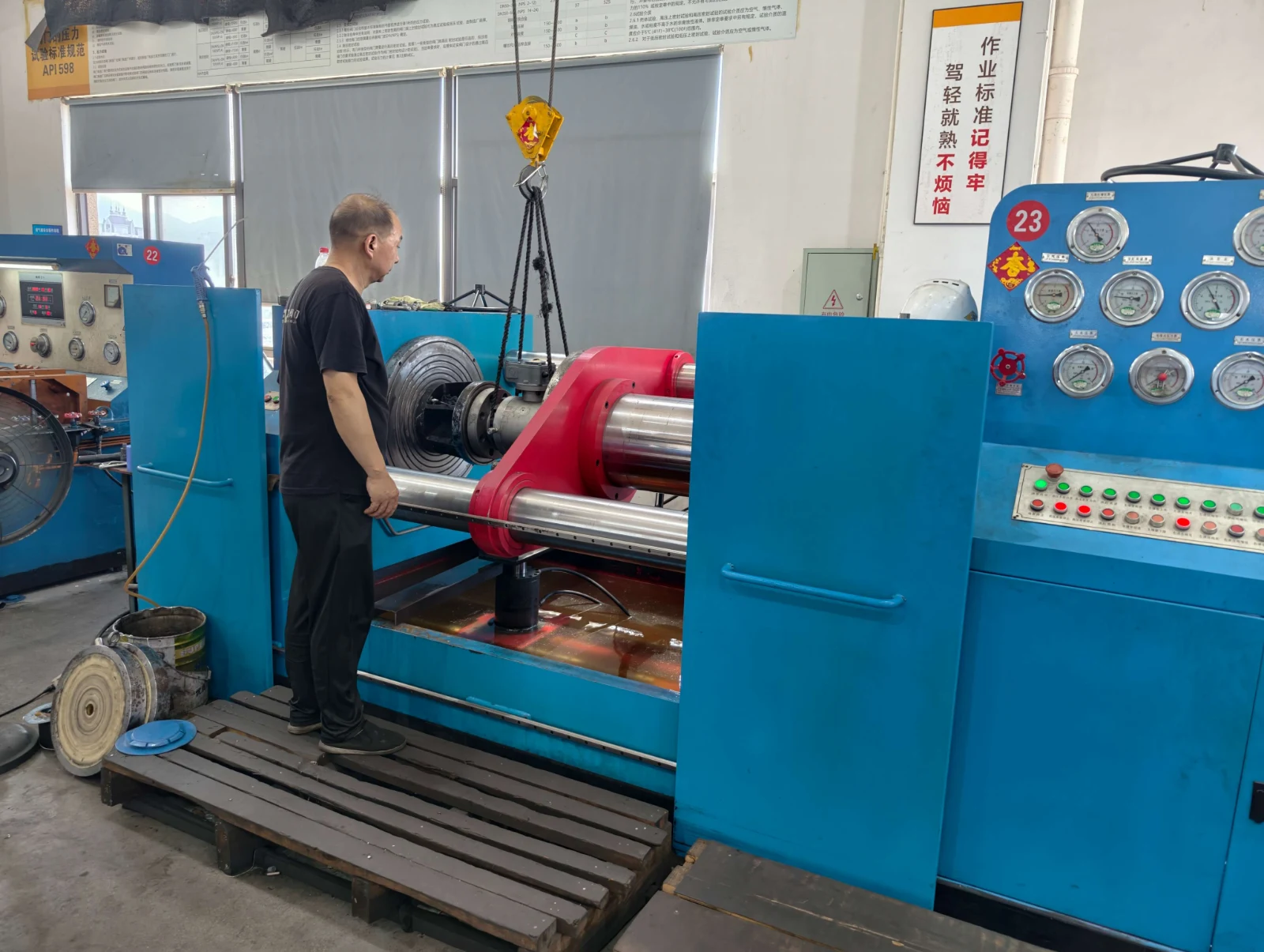
100% of ball valves undergo hydrostatic shell testing (1.5x design pressure), high-pressure hydrostatic seat testing (1.1x), low-pressure gas testing (0.6 MPa), torque verification, and positive material identification (PMI) prior to dispatch.
API 6D Ball Valve CAD Engineering & Sealing Mechanics
Examine the internal mechanical construction of TSV trunnion and floating ball valves, featuring dual-piston effect (DPE) seat technology, secondary emergency sealant injection, and certified fire-safe backup seating.
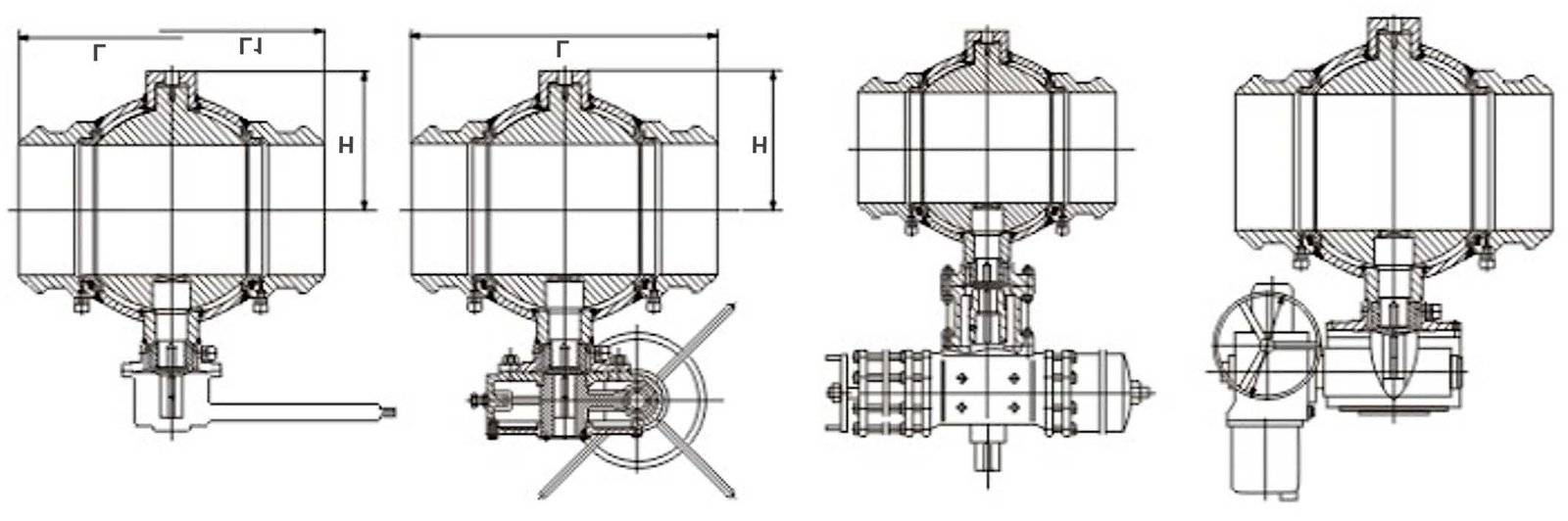
Key Engineering Mechanics & Standard Adherence
Precision-engineered components verified by finite element analysis (FEA) and witnessed hydro tests:
Independent Floating Seats
Pre-loaded coil springs ensure bubble-tight low-pressure sealing, while line differential pressure drives upstream seat load at high pressures.
Blowout-Proof Stem & Anti-Static
Machined integral T-type collar retained by the valve bonnet prevents ejection under cavity overpressurization. Grounding ball springs ensure <10 ohm electrical continuity.
Emergency Sealant Injection Ports
Equipped with internal check valves at both stem journal and seat rings for online synthetic grease injection during emergency containment.
Automatic Cavity Relief (SPE/DPE)
Self-relieving seat geometry automatically vents trapped liquid cavity overpressures back into the pipeline when pressure exceeds 1.33x valve rating.
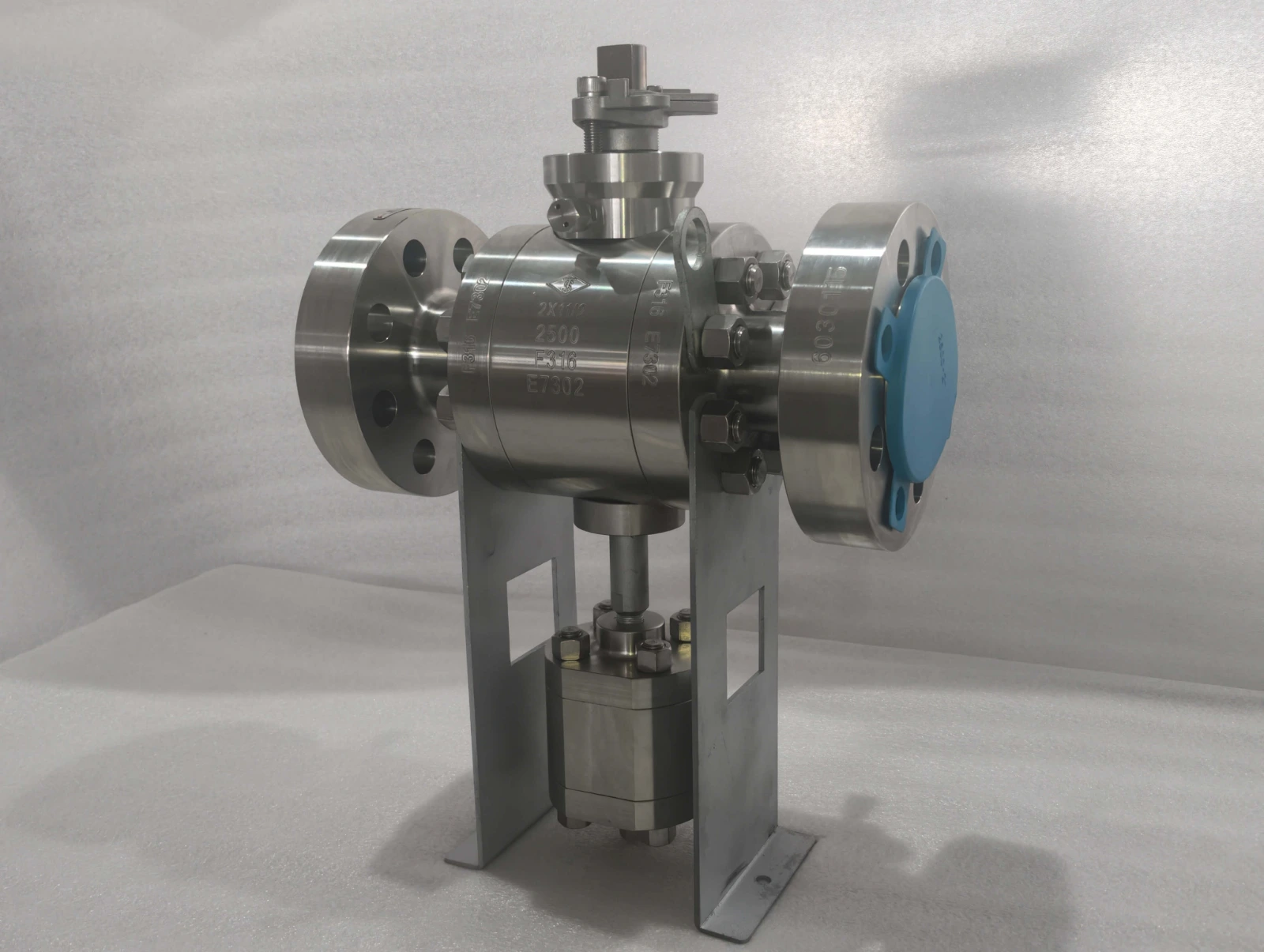
Machining Precision & Certified Hydrostatic Witness
Request a Formal Engineering Quote for Ball Valves
Submit your project bill of quantities (BOQ), pipeline data sheet, or target MOC specifications. TSV's application engineering team provides certified dimensional drawings, MTC documentation, and firm export pricing within 24 hours.