
Safety Valve Chattering, Simmering or Failing to Reseat
A relief valve that chatters is telling you something about the inlet line, not about the spring.
Safety Valve Chattering, Simmering or Failing to Reseat
A relief valve that chatters is telling you something about the inlet line, not about the spring.
What it looks like on site
Rapid opening and closing, a persistent weep below set pressure, or a valve that stays open after the pressure falls.
The causes, in order of likelihood
- Excessive inlet pressure drop. The line into the valve cannot supply the flow the valve discharges, so the pressure at the valve collapses and the valve closes, then reopens.
- Set pressure too close to operating pressure. Insufficient margin causes simmer, with the valve partly open in normal running.
- Excessive back pressure. A conventional bellows-less design is sensitive to back pressure in the outlet line.
- Incorrect spring or setting. A spring that does not match the ordered set pressure, or a set pressure adjusted in service without a bench re-check.
- Mechanical obstruction. Debris on the seat or a distorted disc prevents clean reseating.
Why inlet pressure drop dominates
Chatter has a characteristic cause and it is upstream of the valve. When the valve opens, it demands a flow that a restrictive inlet cannot deliver, so the pressure at the valve falls and it closes again, and the cycle repeats rapidly.
The fix is in the inlet line: a shorter run, a larger bore, or a different installation. Replacing the spring addresses none of it.
Simmer and margin
Simmer is the valve partly open below set pressure. It is normally caused by a set pressure too close to the normal operating pressure, which leaves no margin for the small variations that occur in service.
Where changing the operating condition is not possible, the set pressure has to be reviewed against the permit-to-work and the vessel rating rather than adjusted on the spot. Setting a relief valve in service without a bench check removes the evidence that it will lift at the right pressure.
Getting it back to the bench
Any relief valve that has lifted in service should be treated as having done its job and needing a bench check, because the seat has been exposed to the discharge medium and the setting may have drifted.
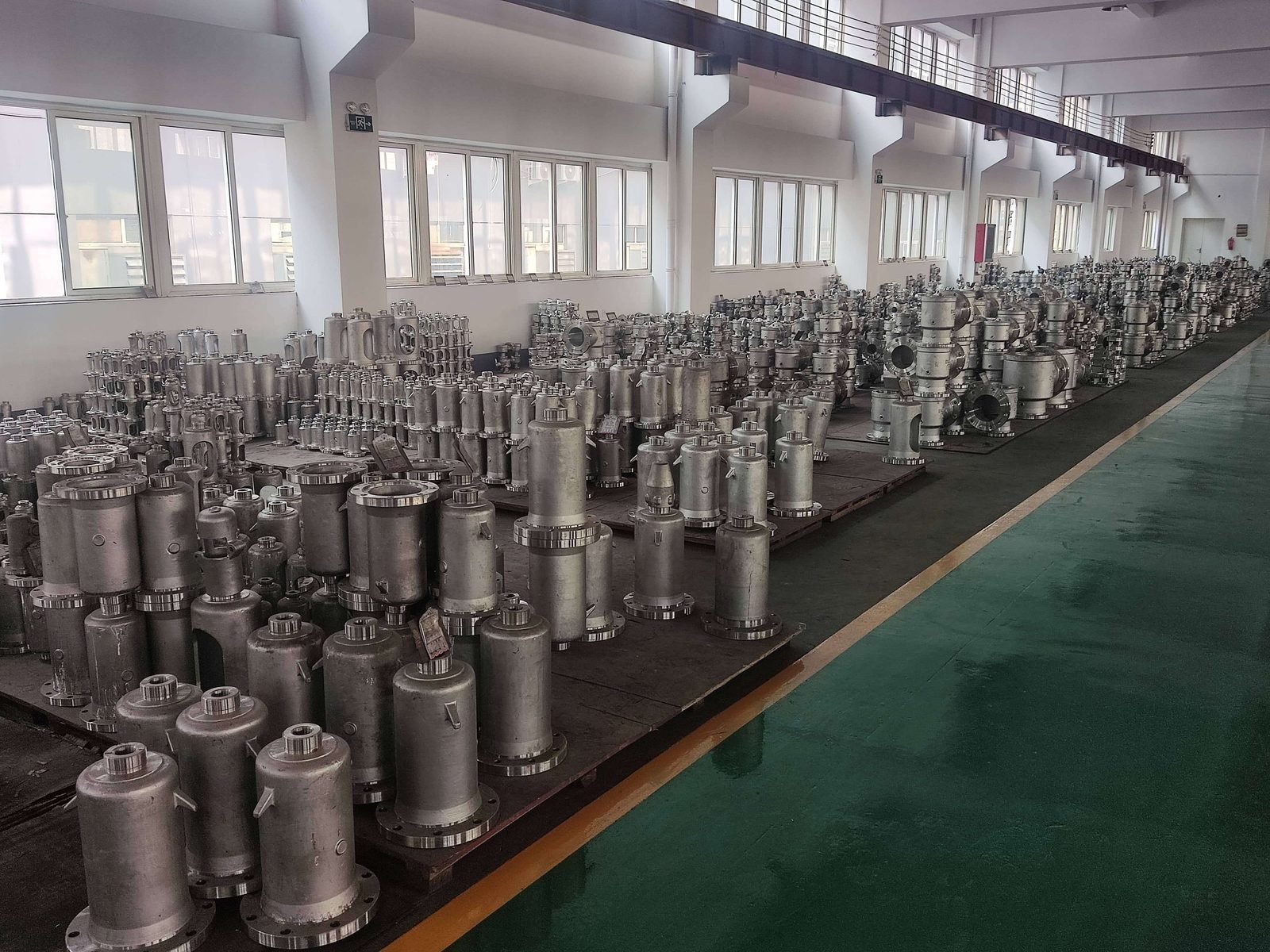
Our safety valve workshop runs the set pressure and performance test on its own bench before shipment, which is why a set pressure is only meaningful with a bench record behind it.
Symptom → Cause
| Item | Detail | Note |
|---|---|---|
| Rapid chatter | Inlet pressure drop | Shorten or enlarge the inlet; check the installation |
| Simmer below set pressure | Set pressure too close to operating pressure | Review margin against the vessel rating |
| Opens early or late | Spring or setting mismatch | Bench re-check and re-set |
| Fails to reseat | Debris on the seat, distorted disc, or back pressure | Inspect the seat; review the outlet condition |
| Handled after a lift | Seat exposed, setting may have drifted | Return to the bench for a check |
The checks, in order
Confirm the reported set pressure
Compare against the bench record issued with the valve.
Measure the inlet pressure drop
At the valve inlet while it is discharging if it can be done safely.
Review the outlet and back pressure
Bellows designs exist to manage back pressure where it cannot be removed.
Check the margin over normal operating pressure
Insufficient margin produces simmer.
Return to the bench after any lift
Re-set, re-test and re-issue the record.
From the works and the projects
Questions this page answers
Almost always because the inlet line cannot supply the flow the valve discharges, so the pressure at the valve collapses as it opens. The fix is in the inlet piping, not the spring.
It can be done, but it removes the bench evidence that the valve will lift at the required pressure. A relief valve should be set and tested on a bench.
Yes. It has done its job, the seat has been exposed to the discharge medium, and the setting should be confirmed on a bench before it returns to service.