
Valve Coatings and Surface Treatment
A coating is a barrier, and a barrier is only useful where it is not being asked to resist abrasion or to sit inside a sealing face.

Valve Coatings and Surface Treatment
Coatings on valves fall into two groups: external paint, which protects against the weather, the atmosphere and the plant environment, and internal coatings, which protect the wetted surfaces against a specific medium.
The two have different selection logic. External paint is about the environment around the valve; an internal lining is about the medium inside it and has to be compatible with the process, not just with corrosion.
External paint systems
A paint system is only as good as the surface preparation under it. Valves are blasted before painting because a coating applied over mill scale and rust will fail at the interface rather than at the surface.
The specification normally names the environment and the system: a standard industrial finish for a covered plant building, a heavier system for coastal or offshore exposure where the salt atmosphere attacks the steel.
Internal linings
An internal lining is used where the body material is adequate structurally but would corrode in contact with the medium. It is common on water and chemical service where a lined body is cheaper than a solid alloy one.
The limits are temperature, mechanical damage and holidays in the coating. A lining that survives the chemistry can still fail where the medium is abrasive, because the failure mode becomes mechanical rather than chemical.
What coatings must not do
A coating must not be present on a sealing face, a flange facing, a thread or a gasket seating surface. Paint on a flange facing is a leak path, and coating on a thread changes the make-up torque.
That is why the finishing process includes masking. Where a valve has been painted after assembly, the condition of the facing and the threads is worth checking on receipt rather than at installation.
Coating Decisions
| Item | Detail | Note |
|---|---|---|
| Surface preparation | Blasting before application | A coating over rust fails at the interface |
| External system | Matched to the surrounding environment | Standard industrial to coastal or offshore |
| Internal lining | Matched to the medium and its temperature | Not a substitute for the right body alloy |
| Masking | Facings, threads and gasket seats left clean | Paint on a facing is a leak path |
| Shipping protection | End protectors and crating | Protects faces and bores in transit |
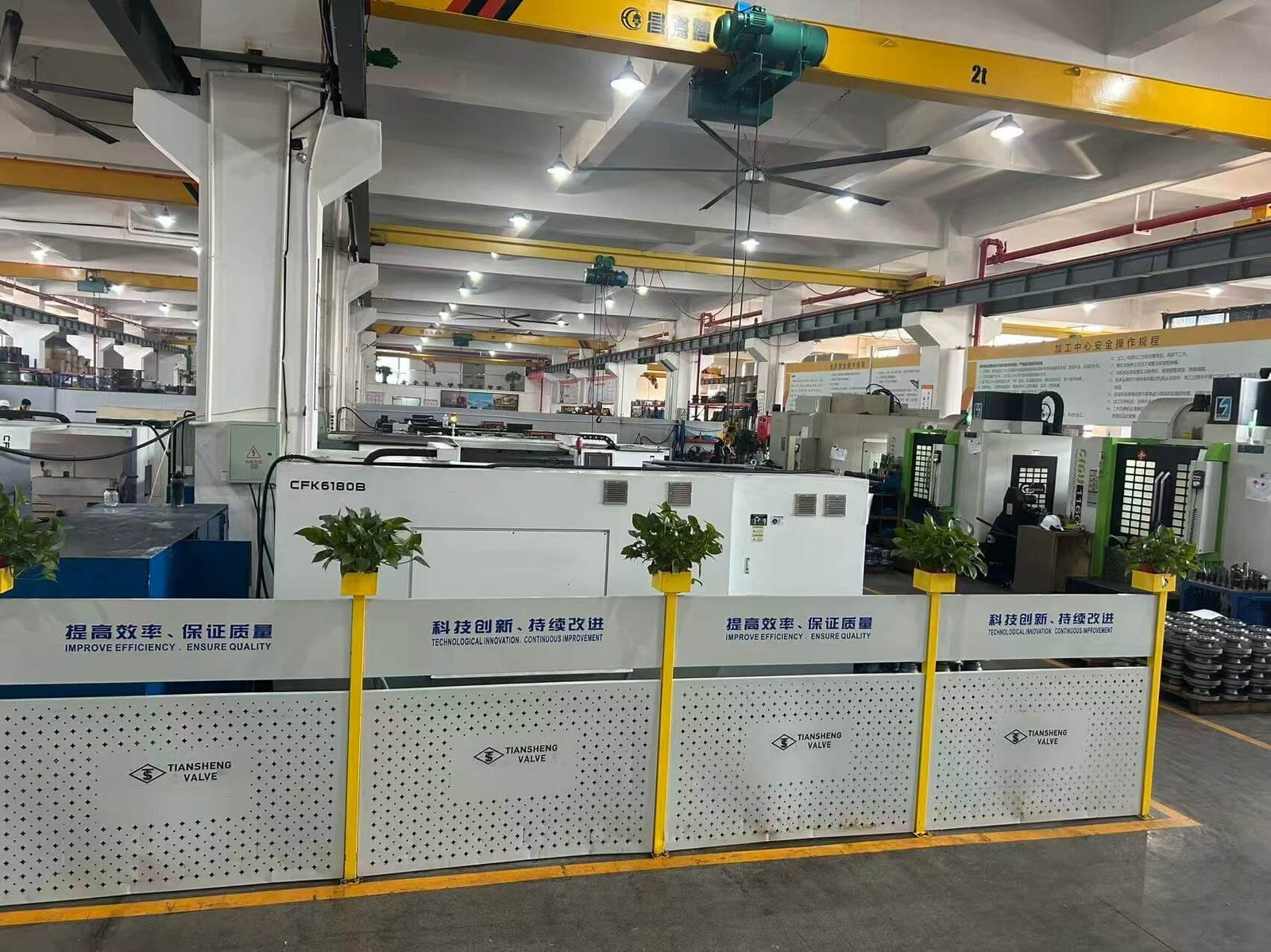
From the works and the projects
Questions this page answers
No. Facings, threads and gasket seats must be left clean, which is why masking is part of the finishing process. Paint on a facing is a potential leak path.
It protects the surfaces the medium touches, but it can be damaged mechanically and it has a temperature limit. Where either matters, a solid alloy body is the more solid answer.
With end protectors and packing suitable to the shipping route, so the flange facings and bores arrive in the condition they left the works.